
Last updated November 25, 2026
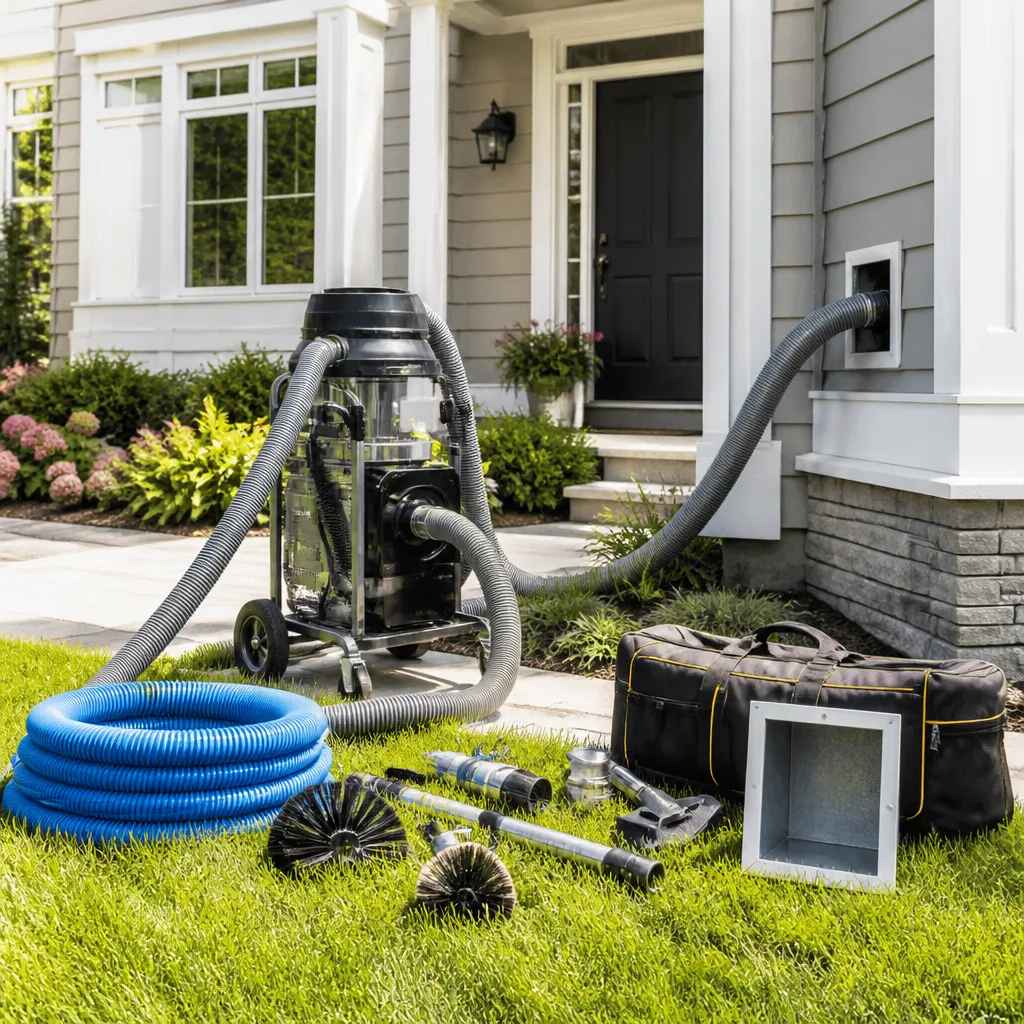 Whole-home duct cleaning
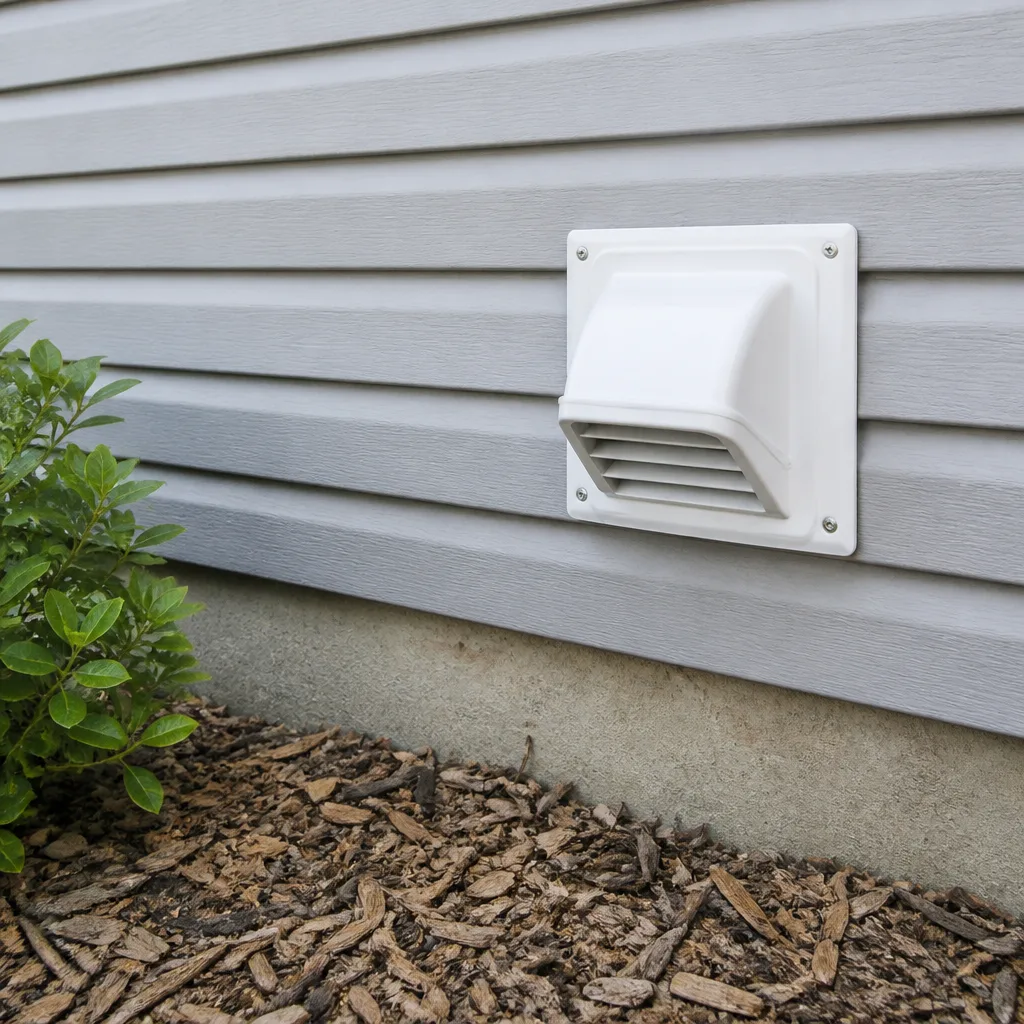 Dryer vent cleaning
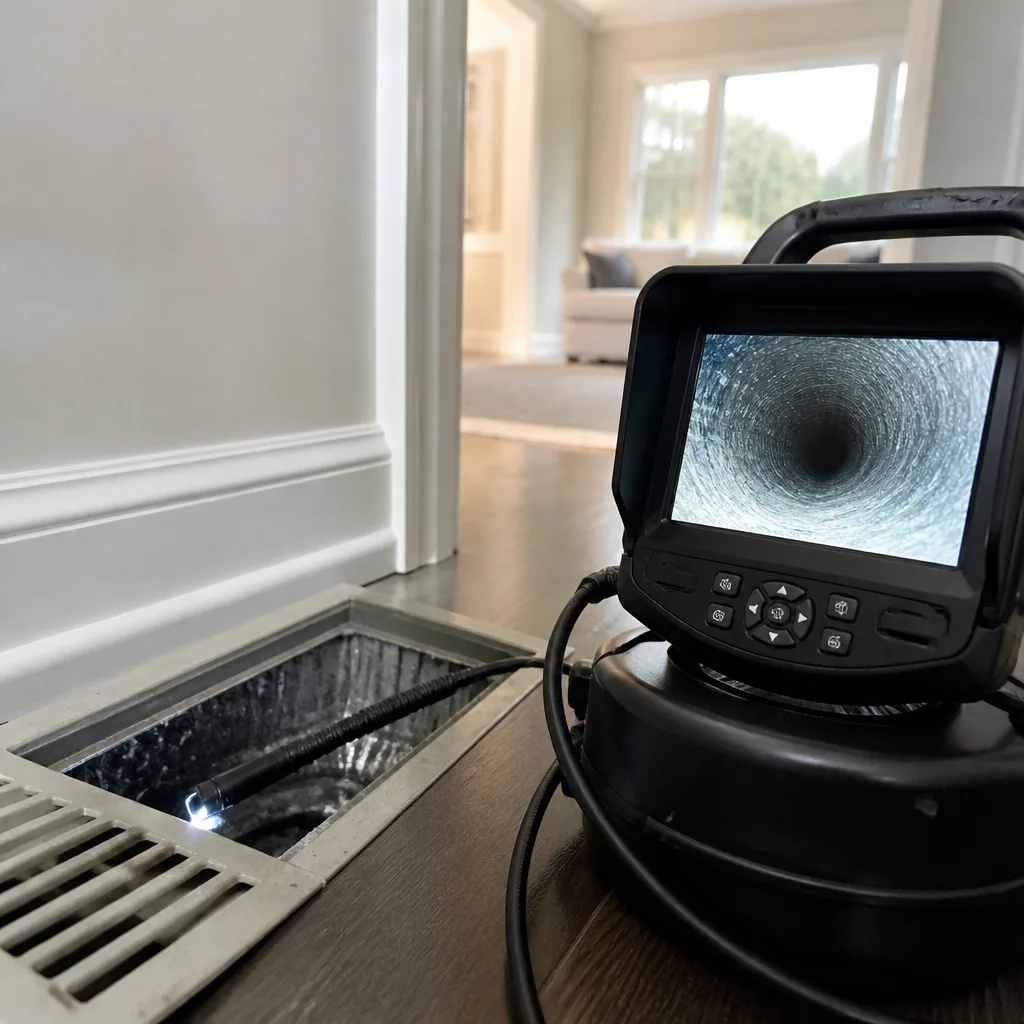 Camera inspection
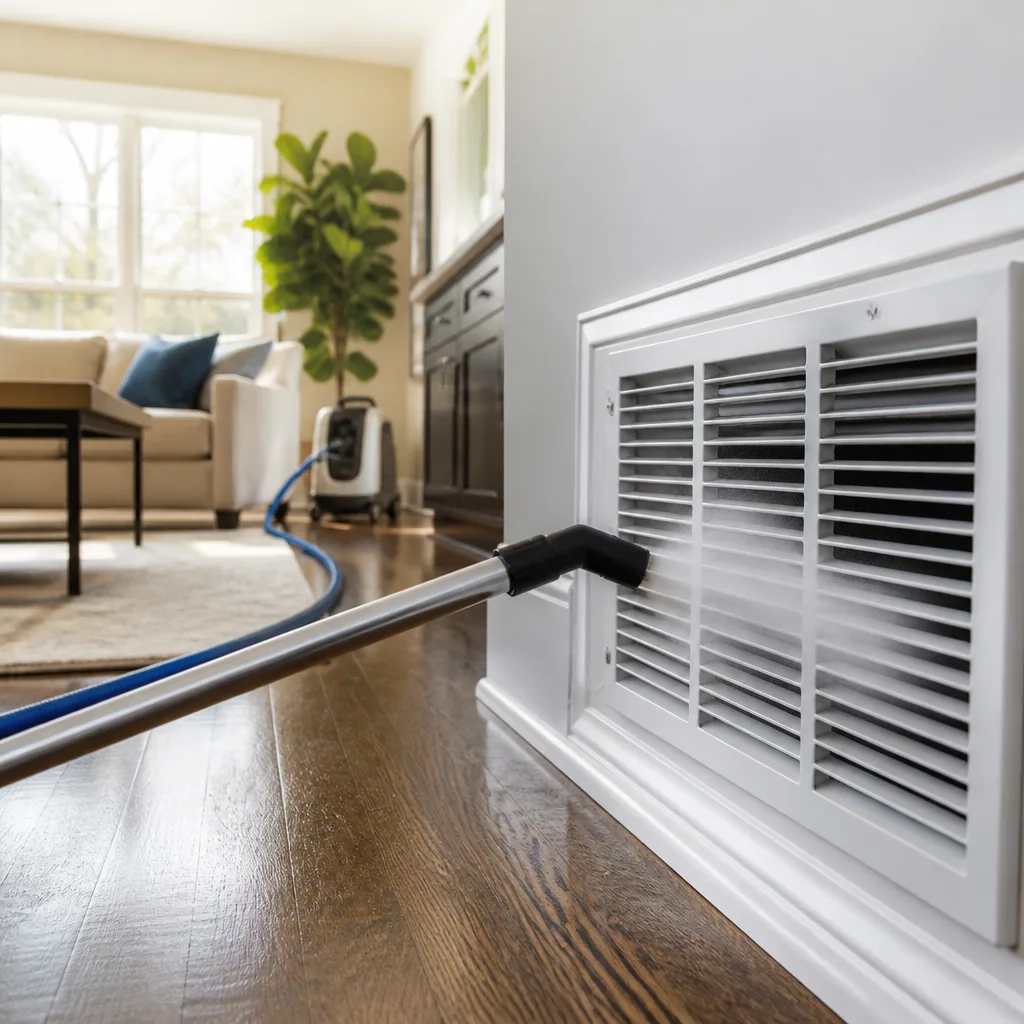 Sanitizing & deodorizing
Whole-system duct and dryer vent check with before-and-after photos - you see exactly what came out of your vents
That "$99 whole-house special" is a bait ad - the real number appears once they are in your hallway, or the "clean" is a shop-vac at the register. We photograph the inside of your ducts before and after instead.
Seasonal Air Duct Cleaning Care for Bustleton: Year-Round Homeowner’s Guide
Most homeowners schedule duct cleaning in January because the calendar turned over, not because the ducts need it. In Bustleton, the heaviest load of airborne particulate usually moves through the duct system in October, when the furnace fires for the first time after months of sitting idle and pushes a season’s worth of settled dust into every room. A New Year’s cleaning misses that moment entirely. What follows is a season-by-season guide to when Bustleton homes actually need attention, what each season does to the inside of a duct system, and how to build a rolling twelve-month calendar around the way this neighborhood’s houses and climate really behave.
Quick Answer
The best time to clean air ducts in Bustleton is late September into early October, just before the heating system starts for the season, with a lighter interim check in spring after pollen peaks. A fixed annual date matters less than matching the work to four distinct contamination windows: fall heating startup, winter static and dryness, spring pollen infiltration, and summer cooling coil moisture. Busy months vary by household, but October is consistently the highest-impact window for most Bustleton homes.
Styles & brands we work with
- Whole-home duct cleaning
- Dryer vent cleaning
- Camera inspection
- Sanitizing & deodorizing
Table of Contents
- Why Season Beats a Fixed Annual Schedule in Bustleton
- Fall: The First Heating Cycle Is the Highest-Risk Period
- Winter: Dry Air and Static Drive Particle Adhesion
- Spring: Pollen and Mold Spores Through the Return Air
- Summer: AC Coil Condensation and Duct Moisture
- Building a Rolling 12-Month Duct Calendar for Your Home
- Row Home vs. Single-Family: How Layout Changes the Plan
- What to Check Between Professional Visits
Why Season Beats a Fixed Annual Schedule in Bustleton
The air inside a duct system isn’t static. It responds to what the house is doing: heating, cooling, drying out, pulling in outdoor air, holding it still. In Bustleton, that cycle produces four recognizable windows when contamination accumulates fastest, and each window has a different cause. Treating them as one annual event flattens the problem. Treating them individually means you clean when the system is dirtiest and act early when a smaller intervention prevents a bigger one.
Our technicians have up to 9 years of experience reading these patterns, and the same sequence shows up again and again. Consider what changes through the year:
- Heating startup (fall): months of settled dust gets lifted and distributed the moment the blower runs.
- Dry indoor air (winter): static charge builds on duct surfaces, holding fine particles that would otherwise pass through.
- Outdoor air intake (spring): pollen and mold spores enter through return air and fresh-air paths.
- Coil condensation (summer): moisture on the evaporator coil feeds microbial growth inside the air handler and adjacent ductwork.
That’s the reasoning behind a seasonal plan. It’s also the reason we treat Air Duct Cleaning Bustleton as a scheduling problem as much as a cleaning problem. When the work is timed to the contamination cycle, a single visit does more than a routine blow-through ever will.
Fall: The First Heating Cycle Is the Highest-Risk Period
The first cold snap of the year is when a Bustleton duct system distributes the most accumulated debris. Here’s the mechanism: through the cooling season, dust settles on duct interiors, on register faces, and on the heat exchanger. The system runs, but the air is cool and often humid. When the furnace lights for the first time in October, the air turns hot and dry, the blower pushes it hard, and all of that settled material lifts into the airstream at once. Whatever the ducts stored over the summer reaches every room within a heating cycle or two.
Bustleton’s older housing stock makes this sharper. Many homes here were built with rigid metal trunk-and-branch ductwork that has decades of joints and turns where dust collects. Add a heat exchanger that sat cold for months and you have the ideal conditions for a dust event on the first fire-up.
What to do before the heating system runs for the season:
- Look at the return registers before you turn the heat on. A visible grey film on the grille tells you the system has been holding material.
- Check the filter and replace it so the first heated cycle pushes clean air, not filter bypass.
- Walk each room and notice where dust settles fastest. Uneven settling can point to a leaking duct joint feeding that room.
- Schedule a professional cleaning for late September or early October so the ducts are clear before the furnace does its first hard run.
If you wait until the house smells dusty or a family member starts sneezing in mid-October, you’ve already distributed the load. The professional visit is best done before the first heating cycle, not after. We use contained extraction equipment because this is exactly the kind of debris you don’t want loose in the living space.
Winter: Dry Air and Static Drive Particle Adhesion
Winter changes the way dirt behaves inside a duct. When indoor humidity drops, static electricity builds on duct surfaces, register frames, and plastic flex sections. Fine particulate that would normally stay airborne gets pulled to those charged surfaces and sticks. The result is a slow buildup that the blower can’t dislodge, so it stays in the system until someone removes it mechanically. A vacuum alone won’t do it. The surface needs agitation, which is why professional contact cleaning matters in the cold months.
Bustleton homes are often tightly built and well sealed against winter drafts, which keeps that dry air recirculating instead of exchanging with outside air. The tightness cuts heat loss and concentrates the adhesion problem. If you’ve noticed more dust on top of picture frames and shelves in January than in October, static is a likely part of the explanation.
Winter is also when interior work tends to happen. A renovation, a drywall repair, or a flooring replacement launches fine construction dust into a system that’s already primed to hold it. Protect the return air before the work starts, and clean after the dust settles. Interim steps that help through winter:
- Keep relative humidity in the comfortable indoor range for health and comfort; dry air accelerates adhesion.
- Clean or replace filters on schedule. A loaded filter increases bypass at the edges.
- Vacuum register grilles and surrounding surfaces so material doesn’t get drawn back in.
- Ask about air quality sanitizing alongside cleaning if anyone in the household has known sensitivities.
Our equipment line includes Rotobrush contact-cleaning tools and Abatement Technologies HEPA extraction. That’s what makes winter cleaning effective: the dust gets agitated, captured, and filtered out rather than moved around.
Spring: Pollen and Mold Spores Through the Return Air
Spring is when outdoor material becomes indoor material. Bustleton sits within a region with abundant tree and grass pollen through the season, and every return-air draw pulls a fraction of that into the duct system. Mold spores ride along with it. Once inside, the spores settle on duct surfaces and spread their way toward the cooling coil, which becomes their preferred habitat by summer.
Not every home needs a full cleaning in spring. Many need an interim check plus targeted steps. The point is to interrupt the path from outdoor air to coil. Consider what happens when a return duct draws pollen into a system that’s already holding winter dust: the two layers mix, and by June you’re looking at a coil cleaning rather than a duct cleaning.
A practical spring sequence:
- Inspect and replace the filter. Prefilters and high-MERV media trap a lot of the pollen if they’re working.
- Check return registers for visible pollen dust or staining. Buildup near the return is a signal.
- Look for a filtration system upgrade. Honeywell and Aprilaire media cabinets are common options, and upgrades reduce how much pollen reaches the ducts.
- Schedule a light inspection or targeted cleaning. Save the full-system visit for fall unless the ducts are clearly contaminated.
Spring is also a good time to look for leaks. Pollen finds its way in through duct joints and unsealed penetrations, so a leak is often both a contamination path and an efficiency loss. Sealing it now means fewer spores entering all summer. We repair and seal ducts as part of the same visit, which most duct-cleaning-only companies can’t do.
Summer: AC Coil Condensation and Duct Moisture
July and August produce the contamination window that’s easiest to miss. The air conditioning system is running hard, the evaporator coil is wet with condensation on every cycle, and the drain pan is holding water. If the coil is dirty or the drain is slow, moisture sits longer than it should. That moisture is what feeds biological growth inside the air handler and adjacent ductwork, and by the end of summer, the system can have a recognizable musty smell that comes back within a few days of any cleaning attempt.
That smell is the sign that the source wasn’t removed. Cleaning a duct without addressing the coil just relocates the contamination. This is where air quality sanitizing becomes a genuine step, not an upsell. A sanitizing treatment after mechanical cleaning addresses the surfaces where microbes were growing. Without it, the first wet cooling cycle after cleaning leaves the same conditions behind.
What actually interrupts the cycle:
- Clean the evaporator coil and the air handler interior as part of the service, not separately.
- Confirm the condensate drain is clear and the pan is pitched correctly.
- Check for duct insulation damage. Wet insulation in a warm space is a mold incubator.
- Sanitize the affected surfaces after cleaning so spores aren’t left on treated duct interiors.
If your home uses a central heat pump instead of a furnace-and-coil setup, the same logic applies to the indoor coil. We see the moisture pattern in Bustleton homes built with both configurations. Summertime is also when a duct leakage problem becomes obvious: rooms that stay humid while others cool fine point to ducts losing cold air into an unconditioned space.
Building a Rolling 12-Month Duct Calendar for Your Home
A one-size annual cleaning schedule ignores how the home actually behaves. A rolling calendar ties each action to the season it addresses and to what your house specifically needs. Here’s the framework we recommend for most Bustleton homes. Adjust for your layout and household.
- January to February: filter checks, visual inspection of registers, humidity monitoring. Consider whether winter renovation work is planned.
- March: filter replacement ahead of pollen season. Inspect returns for early pollen staining. Check for leaks that might be admitting outdoor air.
- April to May: interim inspection. If you have a media filtration system in place (Honeywell, Aprilaire, Guardsman), verify it’s seated and working.
- June: coil inspection before the heaviest cooling weeks. Confirm drain pan and line are clear.
- July to August: monitor for musty odors or uneven humidity between rooms. If either appears, schedule a targeted service.
- September: the big appointment. Full-system cleaning before heating startup. This is the one date that matters most.
- October: after the first heating cycles, do a quick register check and confirm the filter is still clean.
- November to December: indoor air-quality review if renovation or winter allergen concerns apply. Sanitizing if any odor lingers.
The yearly anchor is September cleaning. Everything else is intervening early enough to prevent a full visit being necessary. If the home has had a recent renovation, a young child, or a family member with asthma or allergies, add a mid-winter review to the plan. The cost of these small interventions is far less than letting a coil problem develop into a system-wide remediation.
Row Home vs. Single-Family: How Layout Changes the Plan
Bustleton is a mix of older row home blocks and single-family houses, and duct layout changes what the seasonal plan should emphasize. Row homes tend to have shorter runs, shared wall cavities, and often converted attic or basement systems. Short runs mean less duct surface area to clean, but also mean contamination concentrates faster in the few runs that do exist. A row home can be cleaned thoroughly in one visit and then maintained more easily than a larger house, provided the cleaning is done at the right time.
Single-family houses in Bustleton often have longer trunk runs, a mix of finished and unfinished basement ductwork, and sometimes multiple air handlers. The complexity of the duct path matters more than the footprint. Long runs lose air pressure at leaks, and those leaks admit outdoor contaminants year-round. Duct repair and sealing makes a bigger difference in these layouts than in tightly configured row homes.
What this means for seasonal planning:
- Row home: focus on fall cleaning timing, return-side filtration, and register-level checks. Fewer runs means you can inspect the whole system in a single walkthrough.
- Single-family with basement: include an annual leak inspection. Sealing along the trunk matters for both air quality and energy.
- Home with a second air handler: stagger cleanings so the fall service covers the primary system and the secondary system follows in early spring.
- Condo or shared-wall unit: ask about the shared cavity. Cleaning your system doesn’t address contamination in a neighbor’s return path, and this is worth understanding before you schedule.
The right approach is honest about layout. If a homeowner doesn’t need a full cleaning, our technicians say so and recommend the interim steps instead.
What to Check Between Professional Visits
The work between visits is what keeps a system from going backward. Duct cleaning is a reset, but the home keeps producing dust, drawing in outdoor air, and running its heating and cooling cycles. Three or four checks a year make the difference between a system that stays clean and one that needs another visit in six months.
A practical checklist:
- Filter: replace on the interval the manufacturer specifies, and don’t stretch it. A clogged filter is a bypass waiting to happen.
- Registers: look at each one. Visible dust, staining, or a musty smell near the grille are signals.
- Airflow: note rooms that feel less air volume than they should. Reduced airflow in one room usually points to a leak or a blocked branch.
- Odor: a recurring musty smell after a cooling cycle suggests moisture. Address it before the next season.
- Visible leaks: check duct joints in the basement or attic. A strip of grey dust around a joint is a leak trail.
If two or more of those signals show up, it’s worth a professional look. If everything looks normal, keep to the calendar and wait for the fall cleaning window. There’s no benefit to scheduling a visit the system doesn’t need.
Common Mistakes to Avoid
- Cleaning in January because it’s the new year. By January, the highest contamination load (the one the first heating cycle distributes) has already passed through the house. The high-impact window is late September to early October.
- Cleaning ducts without addressing the coil. In Bustleton’s humid summers, a clean duct network that feeds an uncleaned coil will develop the same musty smell within weeks. If the coil isn’t serviced, the problem wasn’t solved.
- Assuming all duct cleaning is the same. A vacuum truck with a hose isn’t the same as a professional system that agitates, contains, and filters. Ask about the equipment.
- Skipping the spring inspection because the fall cleaning was done. Pollen and spore load pushes in through the returns every spring. A quick inspection and filter change keeps the fall cleaning from being wasted.
- Ignoring small duct leaks. A leaky joint admits outdoor contaminants all year and loses conditioned air. On row homes with shared wall cavities, the contamination path is often through a joint you can’t easily see.
- Waiting for a visible problem. By the time dust is visible at the registers, the system has been distributing it for weeks. Scheduling to the seasonal pattern catches problems before they become visible.
- Choosing a quote based on price alone. Low bids often skip containment, skip coil service, and skip sanitizing. A whole-system price is the only comparison that means anything.
See the difference
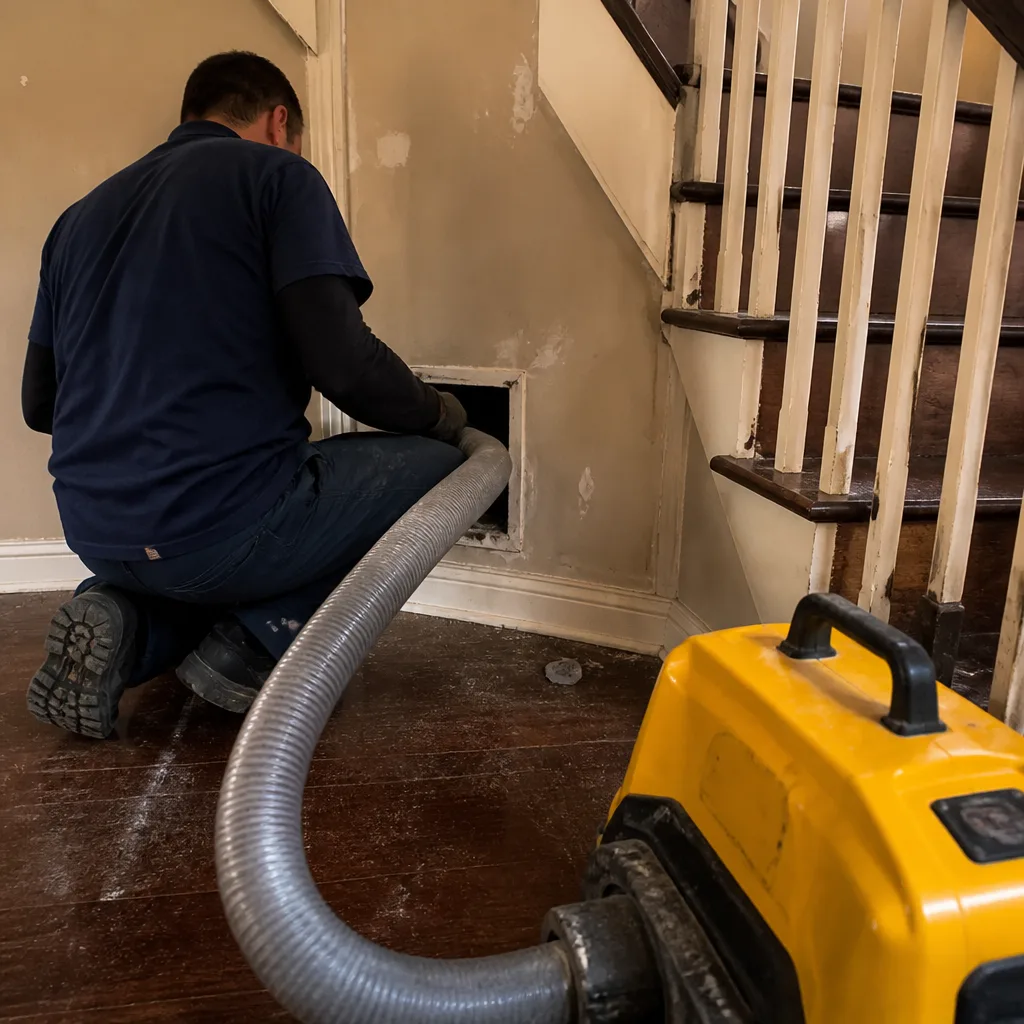 Before
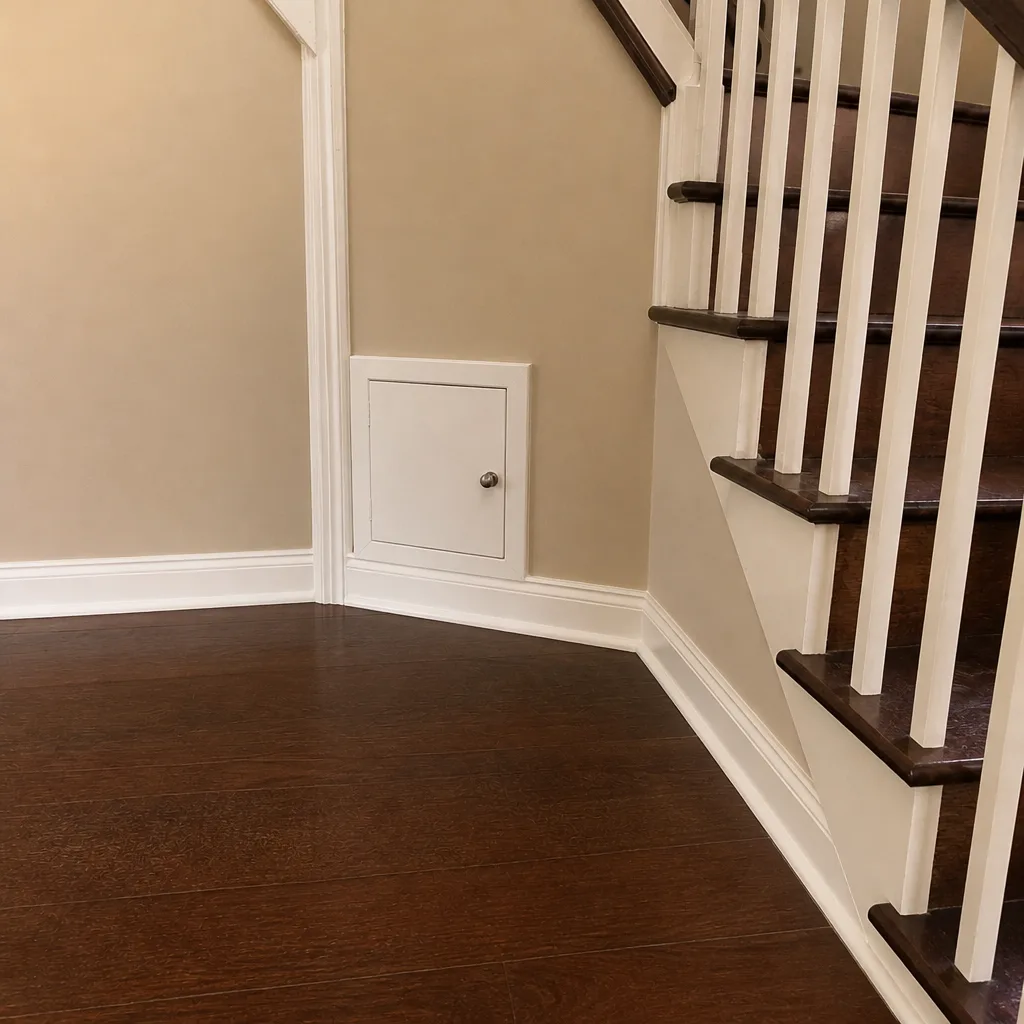 After
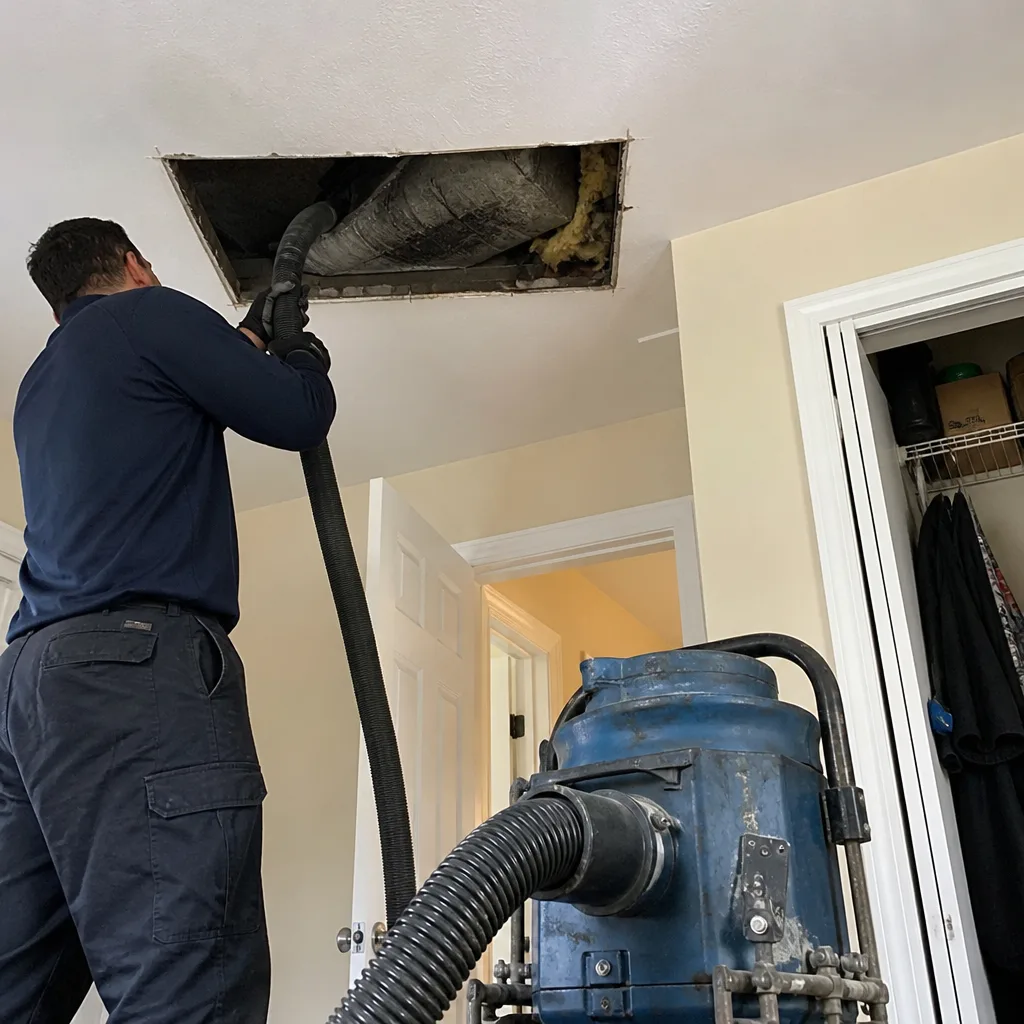 Before
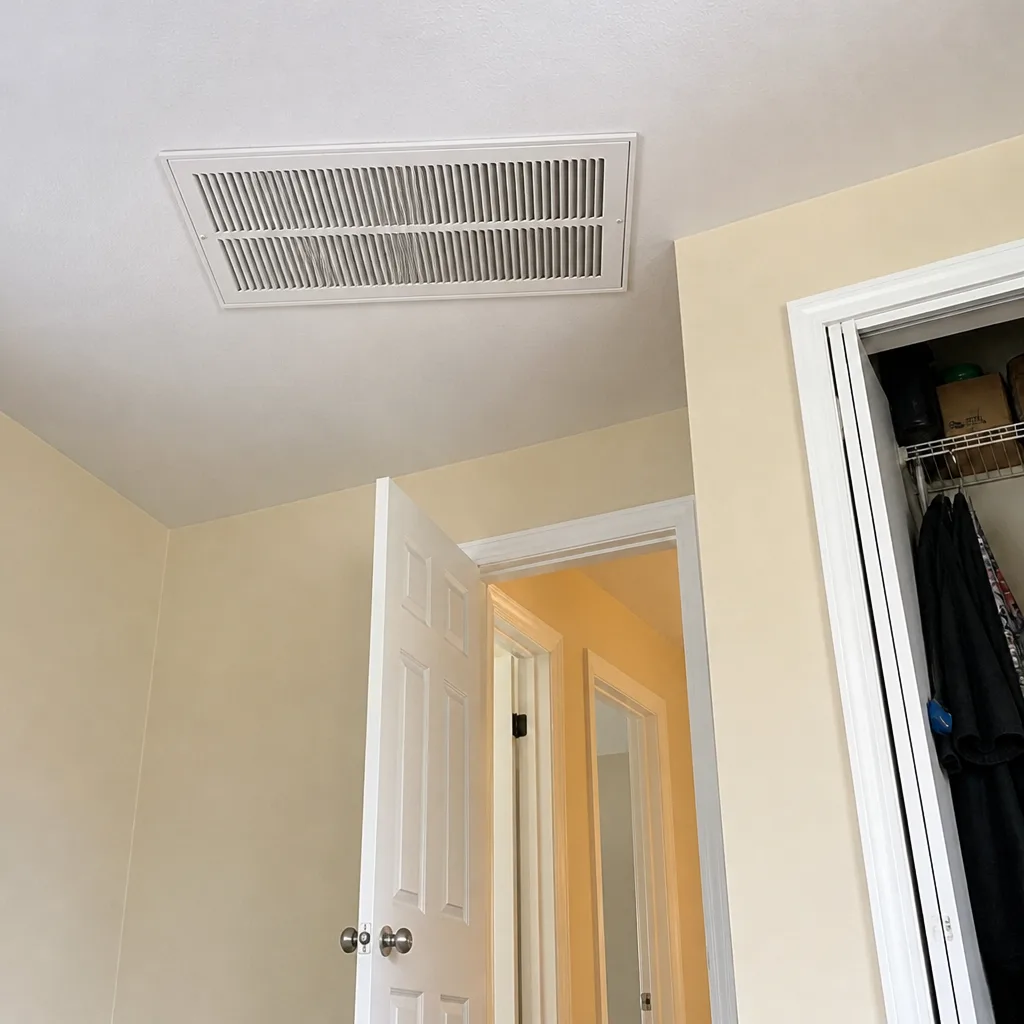 After
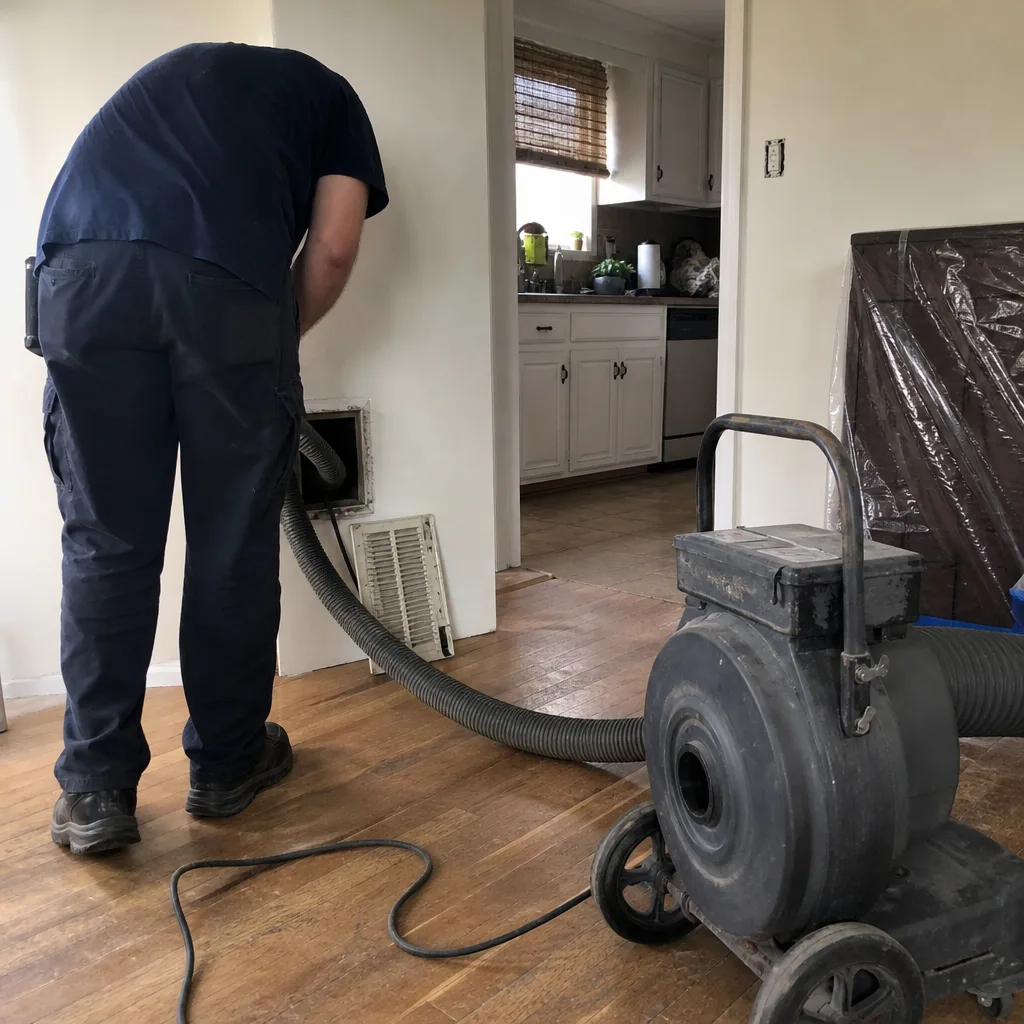 Before
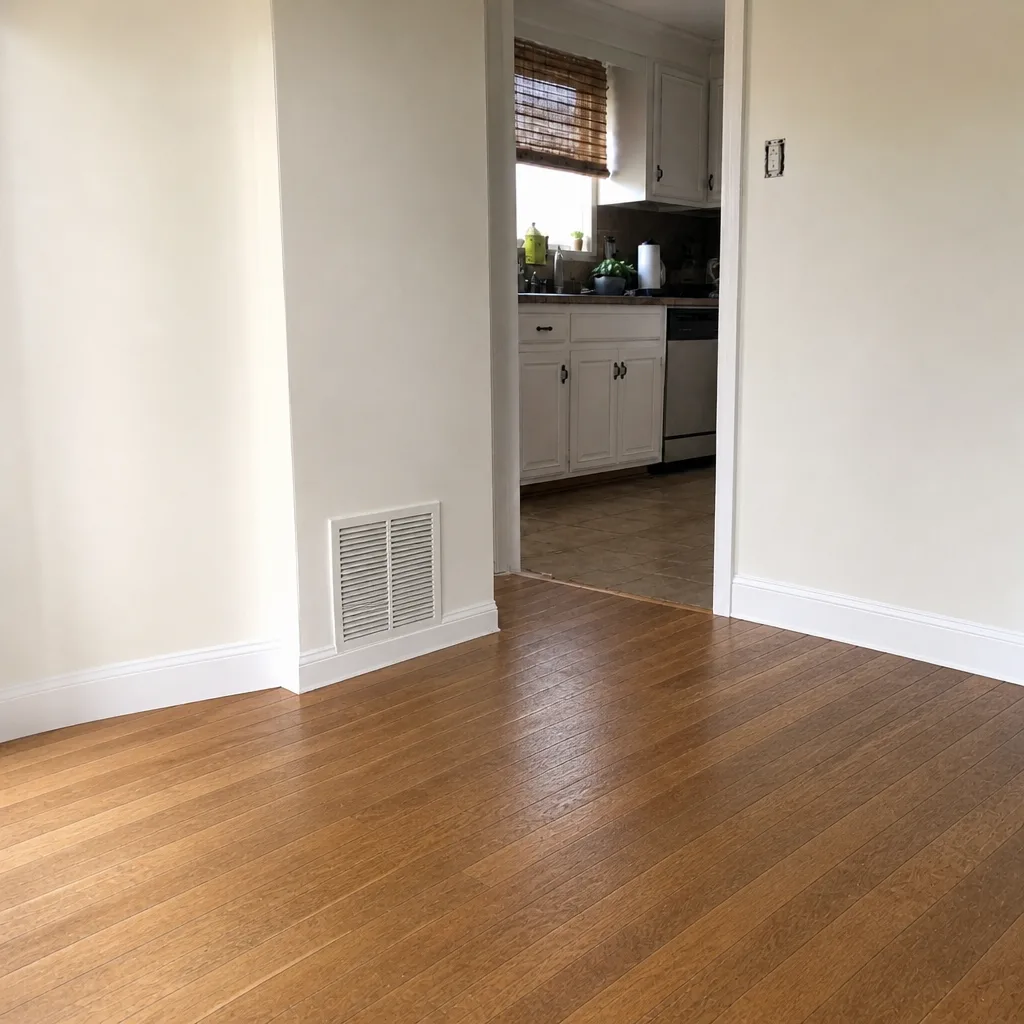 After
When to Call a Professional
There are clear scenarios where the calendar takes a back seat. If anyone in the household has asthma or severe allergies, if the home just finished a renovation, if there’s a persistent musty smell after the AC runs, if you’ve noticed uneven dust settling across rooms, or if the system has never been cleaned, those are moments to call. Same thing if you’ve bought a Bustleton home recently and don’t know the maintenance history. Air Duct Cleaning Bustleton offers free estimates in Bustleton. Call (833) 509-5322. We answer 24/7. Fast dispatch from 7am to 7pm, Sunday through Friday. The local pro is licensed and insured as their state requires, and the price is set per job by the written estimate so you know the number before any work starts.
Frequently Asked Questions
Late September to early October is the highest-impact window because it’s the chance to clean before the heating system’s first hard run. The first heated cycle lifts and distributes months of settled dust, so cleaning before that cycle makes the biggest difference. If you’ve already missed it, getting the system cleaned in November still helps, but the contaminated load has already reached the house.
Not always. Most homes benefit from a full cleaning on a one-to-three year cycle combined with interim checks and filter changes. A Bustleton home with pets, recent renovation, or a family member with allergies usually needs closer to annual cleaning. A well-maintained home with a working filtration system can go longer if the seasonal checks come back clean.
A musty smell that returns after a cooling cycle usually means the evaporator coil was never addressed. Duct cleaning removes debris from the duct network, but if the coil and drain pan are still dirty, the moisture problem continues and the smell comes back. Ask for coil cleaning and sanitizing as part of the service, not separately.
It can reduce the amount of settled material in the system that gets distributed during heating and cooling cycles. Seasonal cleaning timed to the fall startup and spring pollen, along with proper filtration, targets the exact load most relevant to allergy symptoms. It’s not a cure on its own, and we won’t claim it is. It’s one part of a broader approach to indoor air.
A legitimate assessment looks at the return registers, the filter history, the coil condition, and the airflow pattern. If the ducts are clean, a professional should tell you that. Our technicians are trained to recommend interim steps over an unnecessary full cleaning when the system is in good shape. Ask for a written estimate before any work begins.
Effective duct cleaning uses high-efficiency vacuum extraction combined with mechanical agitation tools that reach into the duct and lift debris. We work with Rotobrush contact cleaning systems, Nikro extraction equipment, and Abatement Technologies HEPA filtration to capture the loosened material instead of redistributing it. This combination is the difference between cleaning the ducts and stirring them up.
The Bottom Line
Bustleton homes face four seasonal contamination windows, and the biggest one is the one most homeowners miss: the first heating cycle in October. Cleaning in late September, inspecting in spring, monitoring for summer coil moisture, and keeping up with winter filters builds a maintenance pattern that matches how the house actually behaves. Let the calendar serve the house, not the other way around. When you’re ready to schedule the fall cleaning or walk through your layout to see what makes sense, we’re here to help. Call (833) 509-5322 for a free estimate. We answer 24/7. Fast dispatch from 7am to 7pm, Sunday through Friday.
Written by the team at Air Duct Cleaning Bustleton.