
Last updated November 25, 2026
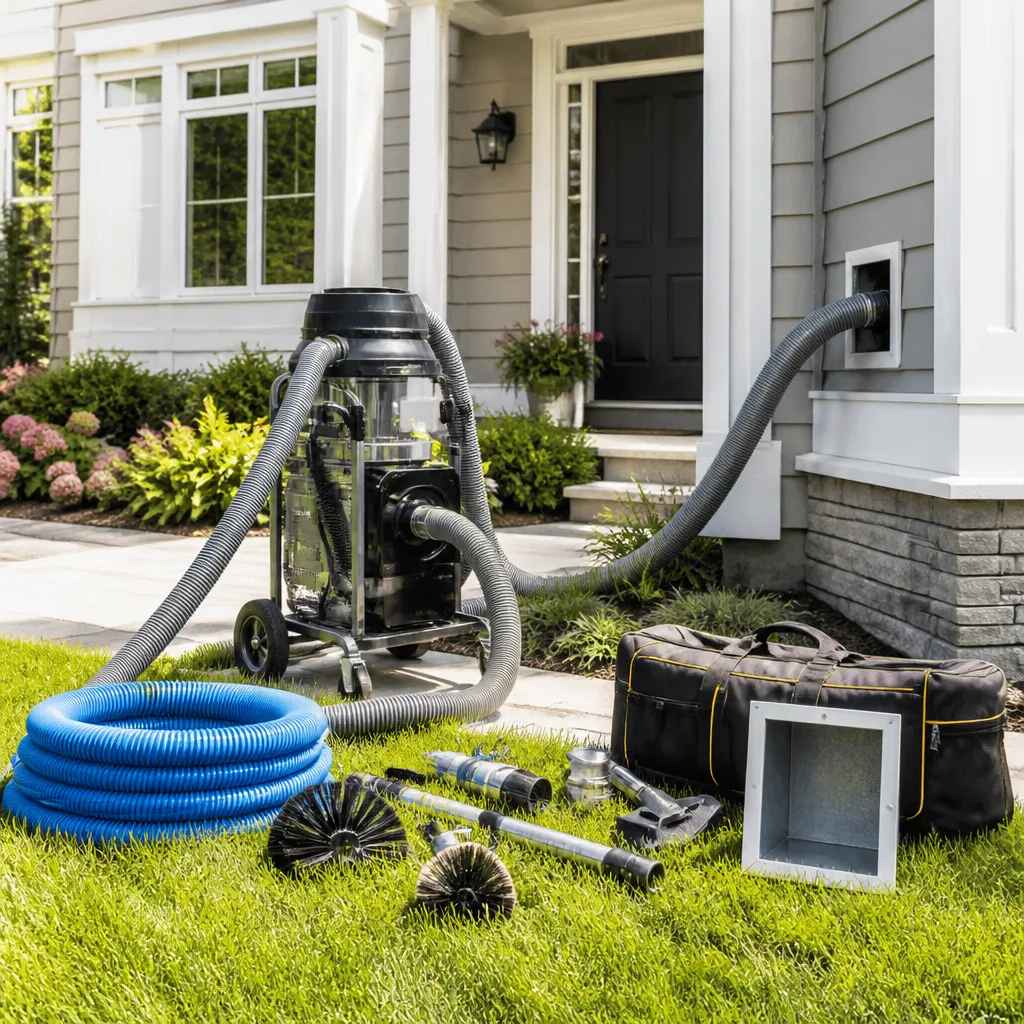 Whole-home duct cleaning
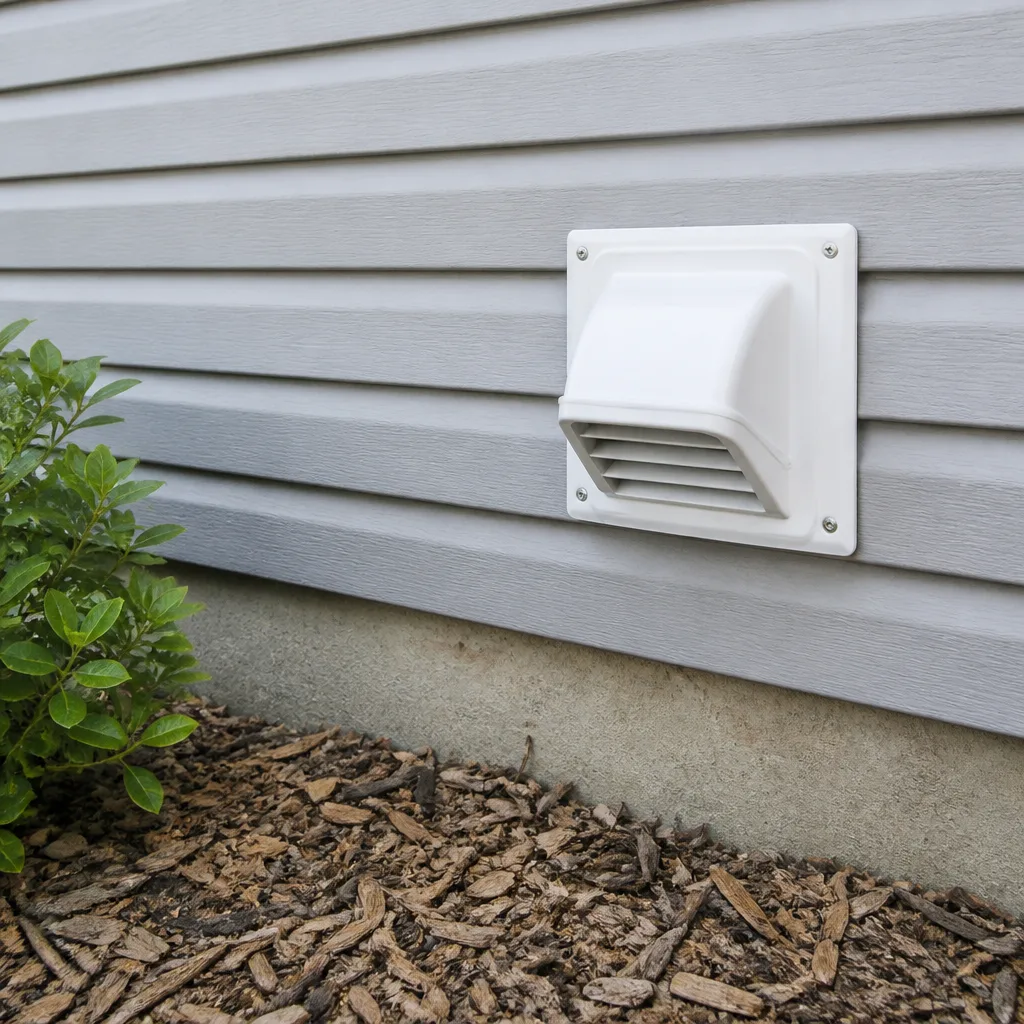 Dryer vent cleaning
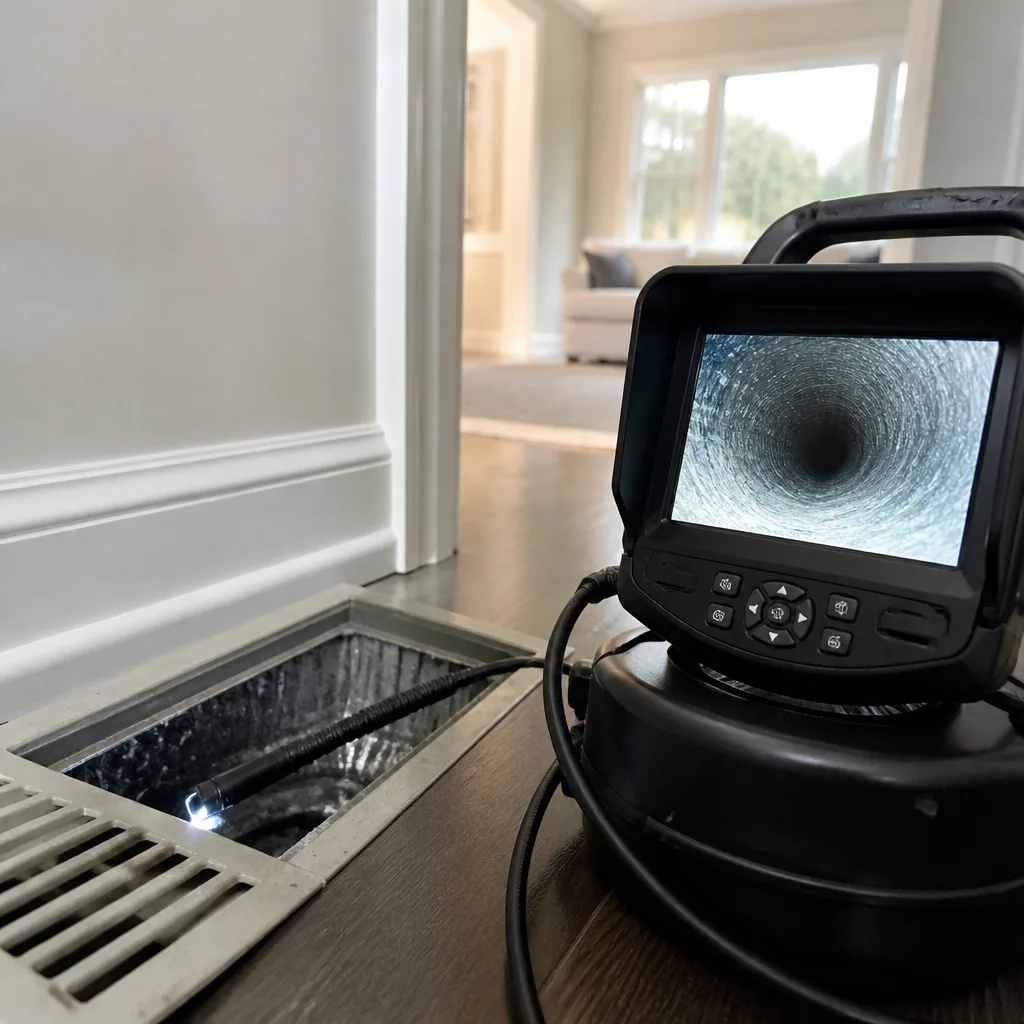 Camera inspection
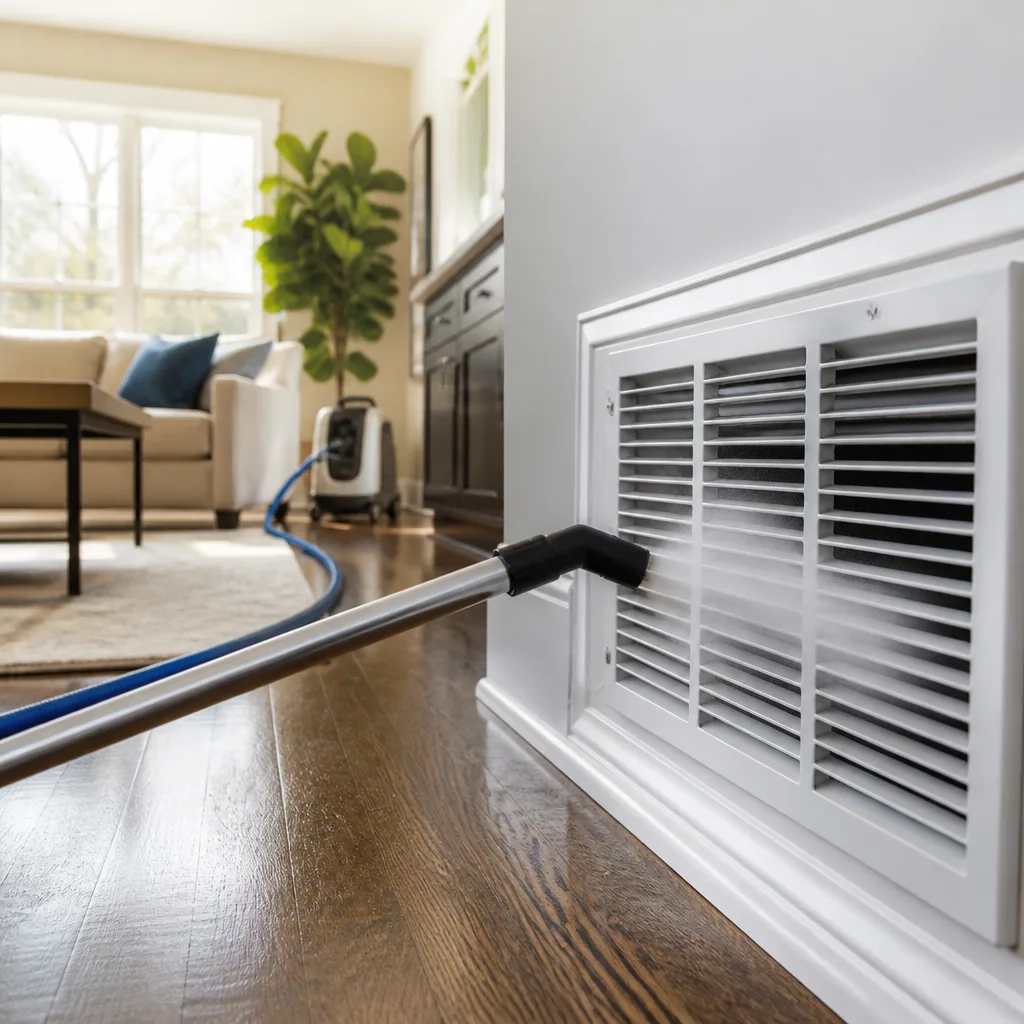 Sanitizing & deodorizing
Whole-system duct and dryer vent check with before-and-after photos - you see exactly what came out of your vents
That "$99 whole-house special" is a bait ad - the real number appears once they are in your hallway, or the "clean" is a shop-vac at the register. We photograph the inside of your ducts before and after instead.
Air Duct Cleaning Emergency Preparedness Guide for Bustleton Homes
Most homeowners in Bustleton treat duct cleaning as routine maintenance, something to schedule when the vents start looking dusty. Then something breaks the routine. A finished basement floods, a kitchen fire leaves a smell that won’t leave, mice get into the ceiling, or a renovation fills the house with fine grit. Each of those events puts material into the duct system that ordinary cleaning was never built to handle, and the damage window can be short.
This guide explains the difference between routine and post-event duct work, walks through the protocols for fire, water, rodents, and construction dust, and covers what to document for an insurance claim in Pennsylvania. If you live in Bustleton and you’re deciding what to do next, start here.
Quick Answer
After a fire, flood, infestation, or major renovation, ductwork needs a contamination-specific protocol rather than a standard cleaning. Smoke residue bonds to duct walls, flood moisture can turn a duct system into a mold distribution pathway within 48 to 72 hours, and rodent and construction contamination require contained extraction and decontamination. Call (833) 509-5322 for a free estimate, and don’t run the HVAC system in the meantime if the source of the contamination is still active.
Styles & brands we work with
- Whole-home duct cleaning
- Dryer vent cleaning
- Camera inspection
- Sanitizing & deodorizing
Table of Contents
- Why Post-Event Duct Contamination Is Different
- After a Fire: Soot Chemistry and Why Standard Cleaning Falls Short
- After a Flood: The 48-Hour Window and the Return Air Pathway
- Rodent Infestations: Urine, Dander, and Nesting Material
- Construction and Renovation Dust: Silica and Fiberglass Fibers
- What to Document for Insurance Claims in Pennsylvania
- The Post-Event Protocol, Step by Step
- Common Mistakes to Avoid
Why Post-Event Duct Contamination Is Different
Routine air duct cleaning deals with house dust, lint, pet hair, and a thin film of debris that builds up over time. The work is mechanical: brush, agitate, extract, and restore airflow. Post-event contamination is a different job because the material inside the ducts is different. Soot behaves like an acid film. Flood water leaves organic residue behind. Rodent urine is a biological contaminant. Renovation dust carries silica and fiberglass fibers.
Those materials don’t just sit in the duct. Your HVAC system is a closed loop, and whatever is in the return duct gets pushed out through the supply registers into every room it serves. That’s what makes a post-event situation time-sensitive. A dusty duct is a comfort and efficiency issue. A contaminated duct is a distribution issue.
In our experience, the most common mistake is calling a duct cleaner before identifying the contamination type. Remediation contractors follow different protocols for smoke residues than for biological contamination, and the equipment list has to match the job. We use Rotobrush and Nikro systems for mechanical cleaning, and Abatement Technologies equipment for contained debris extraction where the contamination calls for it. Those are the tools you’d find on a professional remediation site, not a rental unit.
If you want the basics on how standard cleaning works, our Air Duct Cleaning Bustleton page covers the whole-system process. This guide is about the situations where standard isn’t enough.
After a Fire: Soot Chemistry and Why Standard Cleaning Falls Short
Smoke residue in ductwork isn’t just a smell problem. Soot from a house fire is a corrosive, acidic film that bonds to duct walls, metal components, and the inner housing of your air handler. It keeps triggering odor every time the system runs, and over time it corrodes the very surfaces it stuck to. Standard dust cleaning will not remove it.
The contamination isn’t only in the ducts, either. Smoke travels the same pathways air does, which means the air handler, blower, evaporator coil, and filter housing all collect residue. Cleaning only the duct runs leaves the source of the smell in the system.
What a fire remediation protocol actually involves
- Isolate the duct system from the occupied space by sealing supply and return registers.
- Clean and treat the air handler, blower, and coil separately from the duct runs.
- Use contained extraction equipment to pull loose soot without spreading it through the home.
- Mechanically agitate the duct walls to break the soot bond, then extract again.
- Apply an air quality sanitizing step to address remaining odor and microbial concerns.
- Reinspect the system with photos so you can verify the work and support an insurance claim.
One more detail that applies to Bustleton homes in particular: many houses here have finished basements and ductwork that runs through them. After a fire, that lower system often collects more residue because smoke settles downward. Don’t assume the upstairs supply runs are the whole picture.
After a Flood: The 48-Hour Window and the Return Air Pathway
Here is the scenario we hear about most often. A sump failure or a burst supply line floods a basement in Bustleton. The homeowner calls a water remediation company, they dry out the drywall and the carpet, and everyone considers the job finished. Meanwhile, the return air pathway is sitting three feet above the wet floor, pulling moisture into the duct system every time the system runs.
Ductwork that has been exposed to standing water or high humidity is a damp, dark environment with organic dust inside. That’s the exact condition mold needs. Within 48 to 72 hours, a wet duct system can become a mold distribution network, moving spores into every room served by that system.
How to assess whether ducts need cleaning or replacement
Not every flood requires duct replacement. The threshold question is whether the duct material was submerged or only exposed to elevated humidity.
- Fiberglass duct board or flex duct that was submerged: These materials absorb water and generally can’t be reliably dried or cleaned. Replacement is usually the right call.
- Sheet metal ducts that were wetted but not submerged: Cleanable and treatable, but only after thorough drying and sanitizing.
- Ducts only exposed to humidity, not water: Often cleanable. Inspect for visible growth before deciding.
While the system is wet or while debris is still in the ducts, run the fan as little as possible. Running it spreads the problem. If the moisture came from a source that is still active, shut the system down until the source is fixed. Then call (833) 509-5322 for a free estimate. We answer 24/7, and dispatch runs 7am to 7pm, Sunday through Friday.
Rodent Infestations: Urine, Dander, and Nesting Material
Mice and squirrels move through the same ceiling and wall cavities that hold ductwork, and flexible duct with any damage at all is a way in. Once they’re in, the contamination isn’t limited to droppings. Rodent urine and dander settle on duct surfaces, nesting material collects at joints and elbows, and the smell is a sign that the problem is ongoing.
The health issue with rodent contamination in ducts is exposure. Any time the system runs, contaminated air is pushed into the rooms that duct serves. That’s the reason for decontamination beyond simply vacuuming debris out of a duct run.
The decontamination process
- Remove and dispose of nesting material and any damaged duct sections. Some contamination requires replacement, not cleaning.
- Use contained extraction to pull loose dander and debris without spreading it through the home.
- Mechanically clean the duct surfaces, then apply an air quality sanitizing step to treat remaining contamination.
- Seal any gap or joint the rodents used, using duct sealing so the same path isn’t open again next season.
- Reinspect with before-and-after photos so you know the work was done.
Duct repair and sealing is the half of this job most duct-cleaning-only companies can’t do. We repair what we find, which means the entry point gets closed as part of the visit rather than handed off to a second vendor.
Exclusion work (sealing gaps on the exterior) is the homeowner’s side of the job. Even after the ducts are clean and sealed, a gap in the foundation sill or an opening behind a soffit can let rodents back in. That’s a separate task, but skipping it means repeating the duct work.
Construction and Renovation Dust: Silica and Fiberglass Fibers
Renovation dust is not the same as household dust. Sanding drywall, cutting tile, and opening walls produce fine silica particles. Tearing out old insulation introduces fiberglass fibers. These materials are a different problem from ordinary lint, and they don’t belong in your duct system.
The urgency level for construction dust is different from fire, flood, or rodents. It’s not typically an emergency, but it is a job worth scheduling before the family moves back into the renovated space. Cutting, sanding, and demolition dust settles into return ducts during a project, then circulates once the HVAC system comes back online.
What to do during a renovation in your Bustleton home
- Cover return and supply registers during demolition and during sanding.
- Change the HVAC filter more often than usual while work is going on, especially after sanding days.
- Have the ducts cleaned before the project is closed out if returns collected a visible layer of dust.
- Consider upgraded filtration. We work with Honeywell and Aprilaire products, both of which are recognized across the HVAC and filtration industry.
A filtration upgrade makes sense after a renovation because it handles ongoing fine particles better than a standard filter. Guardsman products are another line we work with for indoor-air-quality filtration. The choice depends on your air handler, the duct layout, and what the project left behind.
Anyone in Bustleton planning a major renovation should think about HVAC cleaning as part of the project punch list. The blower and coil collect the same dust the ducts do.
What to Document for Insurance Claims in Pennsylvania
Duct cleaning after a covered event (fire, water damage from a plumbing failure, sometimes storm-related water intrusion) can be part of a Pennsylvania homeowner’s claim. Whether it’s covered depends on the policy and the adjuster’s scope, and we’re not the ones to tell you what any given policy covers. What we can tell you is what documentation supports a claim.
An adjuster working a claim wants evidence that the work was necessary and that it was done. A cleaning visit without documentation is hard to support. A professional invoice with photos and a written report is not.
Documentation to collect
- Before photos of the duct openings, registers, and air handler showing contamination.
- A written scope describing what was found and what work the protocol requires.
- After photos of the same locations, so the before-and-after comparison is visible.
- An itemized invoice listing the services performed: cleaning, sanitizing, repair, sealing, HVAC components.
- Any recommendation report for a follow-up inspection or filtration change.
If your insurer asks, we can work with them on the documentation. That’s the most useful role we play in a claim. We don’t decide coverage and we don’t represent you to the adjuster.
One thing to know about the Pennsylvania claim process: interior water damage that came from outside is often handled differently than water damage from inside plumbing. If you’re unsure which applies, ask your insurer before scheduling the work, and ask the remediation contractor to keep photos of the moisture source.
The Post-Event Protocol, Step by Step
Whether the event was fire, flood, rodents, or construction, the order of operations matters. Cleaning the ducts before the source is contained just means re-contaminating them.
- Stop the source. Fix the leak, extinguish the fire, exclude the rodents, finish the demolition. Duct work comes after.
- Assess the contamination type. Soot, water, biological, or particulate. Each calls for a different protocol and a different equipment list.
- Inspect the full air pathway. That means returns, supplies, air handler, blower, coil, and registers. Not just the visible runs.
- Set up containment. Sealing the system from the occupied space is what separates a remediation job from a dust cloud.
- Mechanically clean. Rotobrush and Nikro systems agitate and extract, which is what removes bonded soot and embedded debris.
- Repair and seal. If the inspection finds leaks at joints or damaged flex duct, fix them before cleaning is signed off. A leaky duct is a pathway.
- Sanitize. Air quality sanitizing is a dedicated step, not a spot spray. It addresses residual microbial and odor concerns after physical removal.
- Verify and document. Before-and-after photos, a written report, and an itemized invoice for your records and any insurance claim.
That whole sequence is what we mean by one call covering the whole system. Cleaning, repair, sealing, and sanitizing in one appointment means the homeowner isn’t coordinating two or three vendors and hoping the handoffs went well.
Common Mistakes to Avoid
- Running the HVAC system immediately after a flood. That’s the fastest way to spread moisture and contamination through every room the system serves. Keep the fan off until the source is fixed and the ducts are assessed.
- Calling any duct cleaner for a post-event job. Protocols and equipment for smoke, biological, and construction contamination differ from routine dust cleaning. Ask what equipment they’re bringing before you book.
- Assuming water remediation covers the ducts. Water remediation companies dry the building materials. The return air pathway three feet above the floor is a separate system, and it usually gets left out of the scope.
- Skipping the air handler. Duct runs aren’t the only place contamination collects. The blower and coil handle the same air and collect the same residue.
- Sealing an air quality problem under a fresh filter. If contamination is in the ducts, a new filter catches some of it but doesn’t fix the source.
- No documentation. Without before photos and a written scope, an insurance claim for duct work is much harder to support. Take photos of the affected areas before any work starts.
- Ignoring the exterior entry points after rodent work. If the ducts are cleaned but the gaps that let rodents in are still open, the contamination comes back. Seal those gaps as soon as the ducts are clean.
See the difference
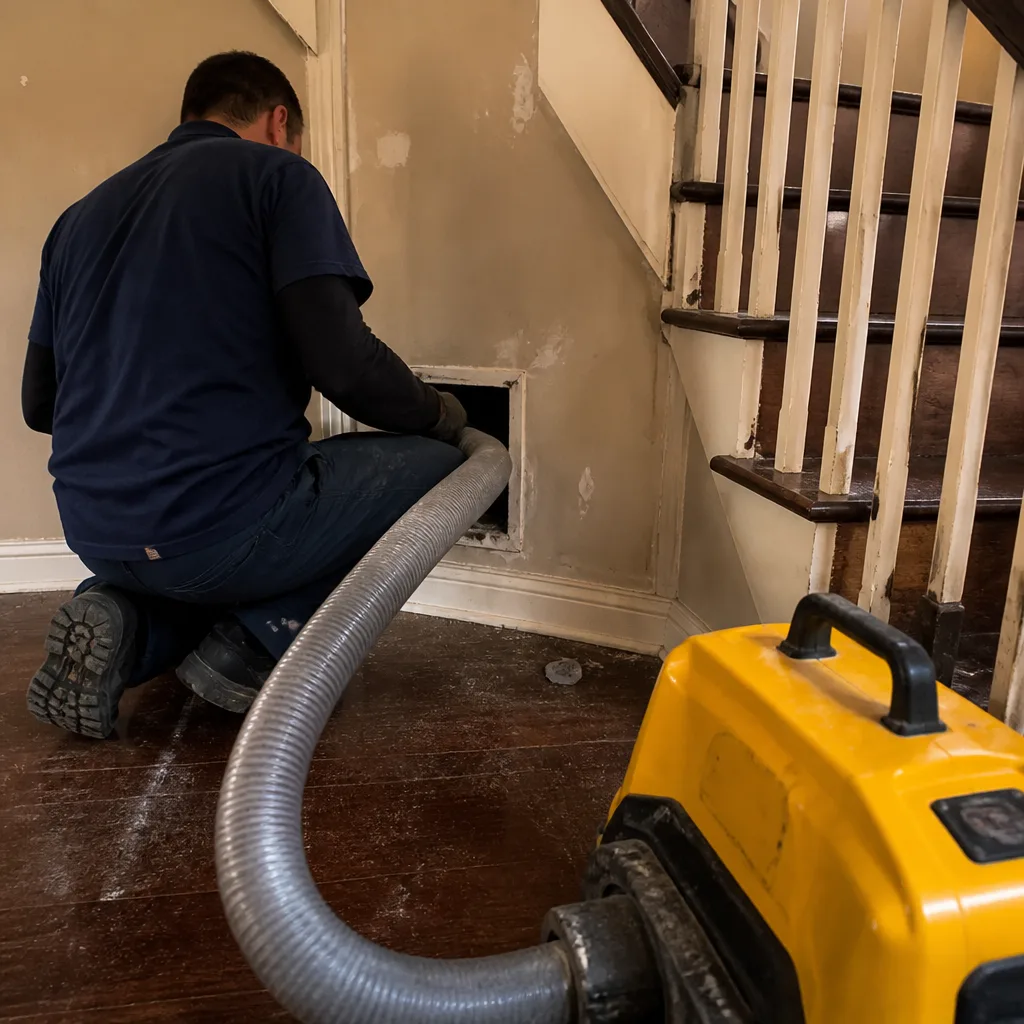 Before
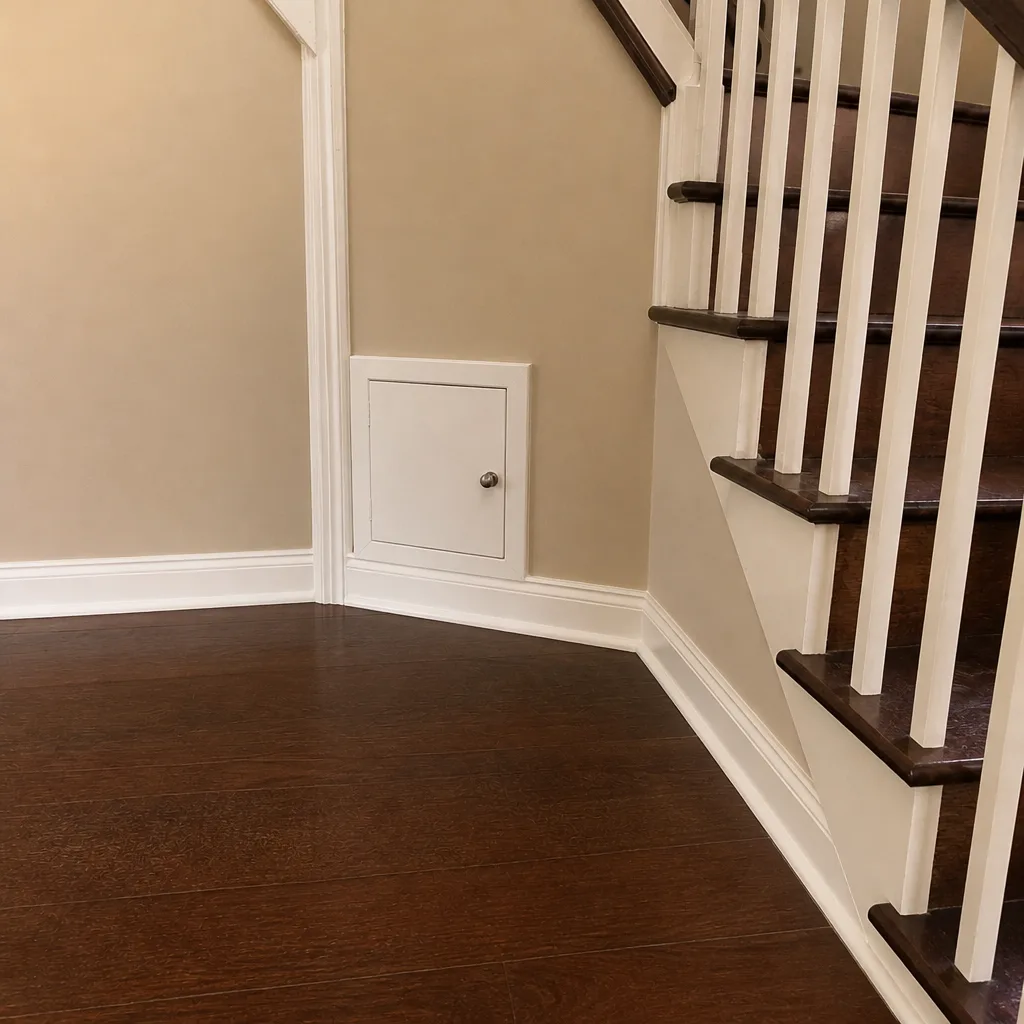 After
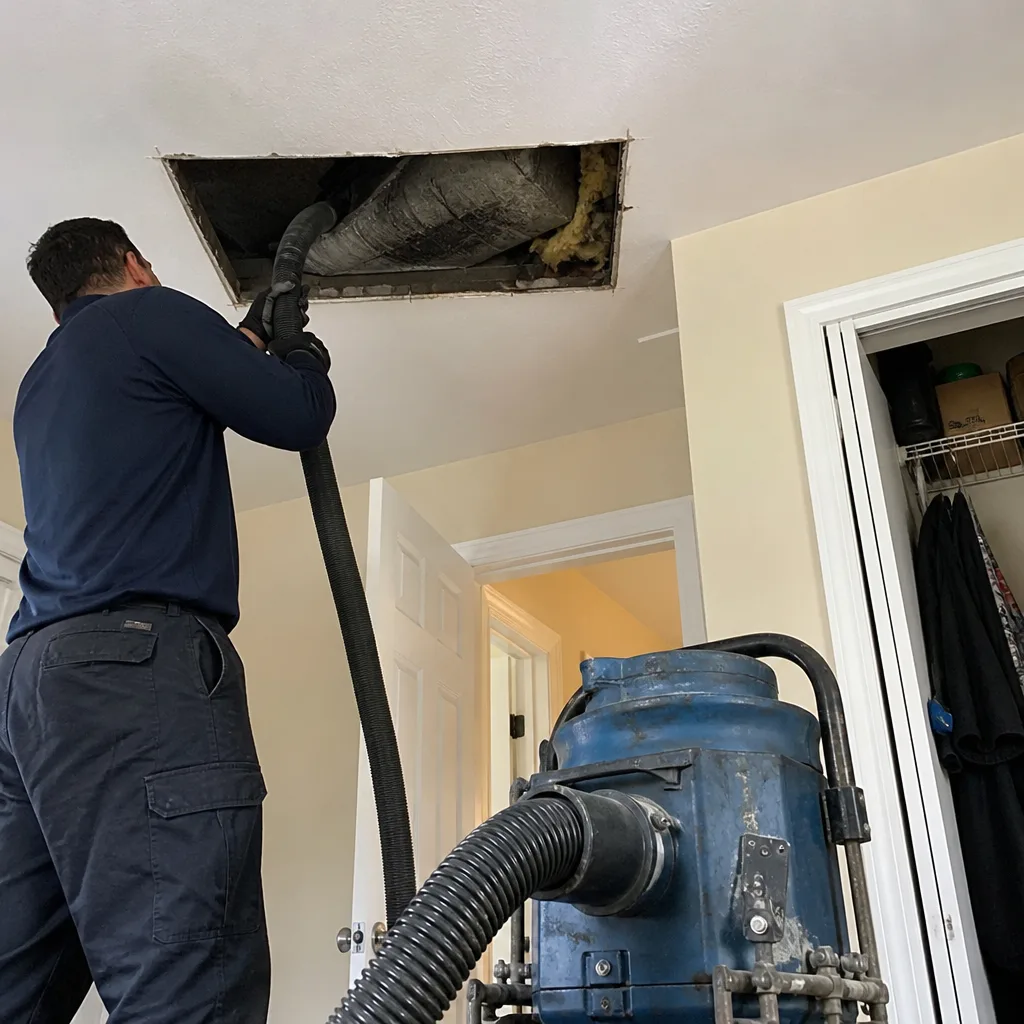 Before
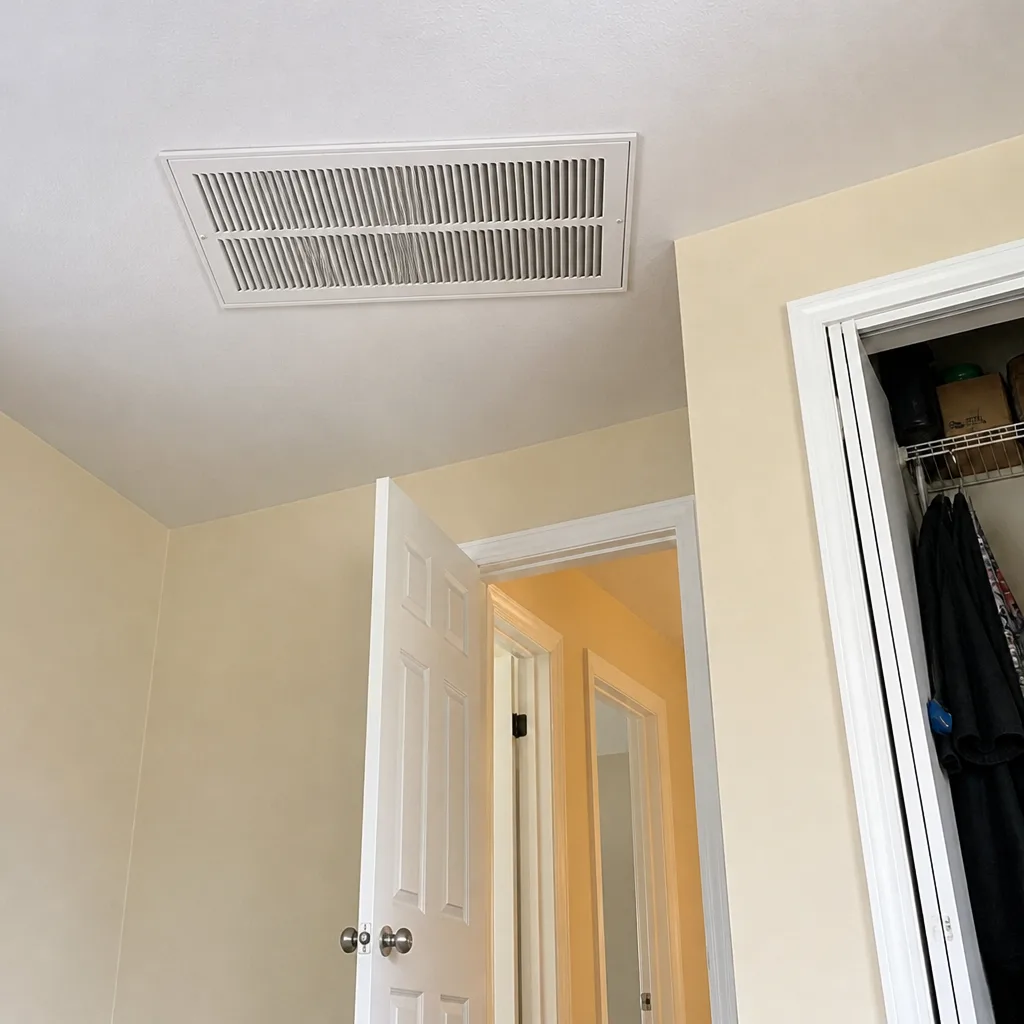 After
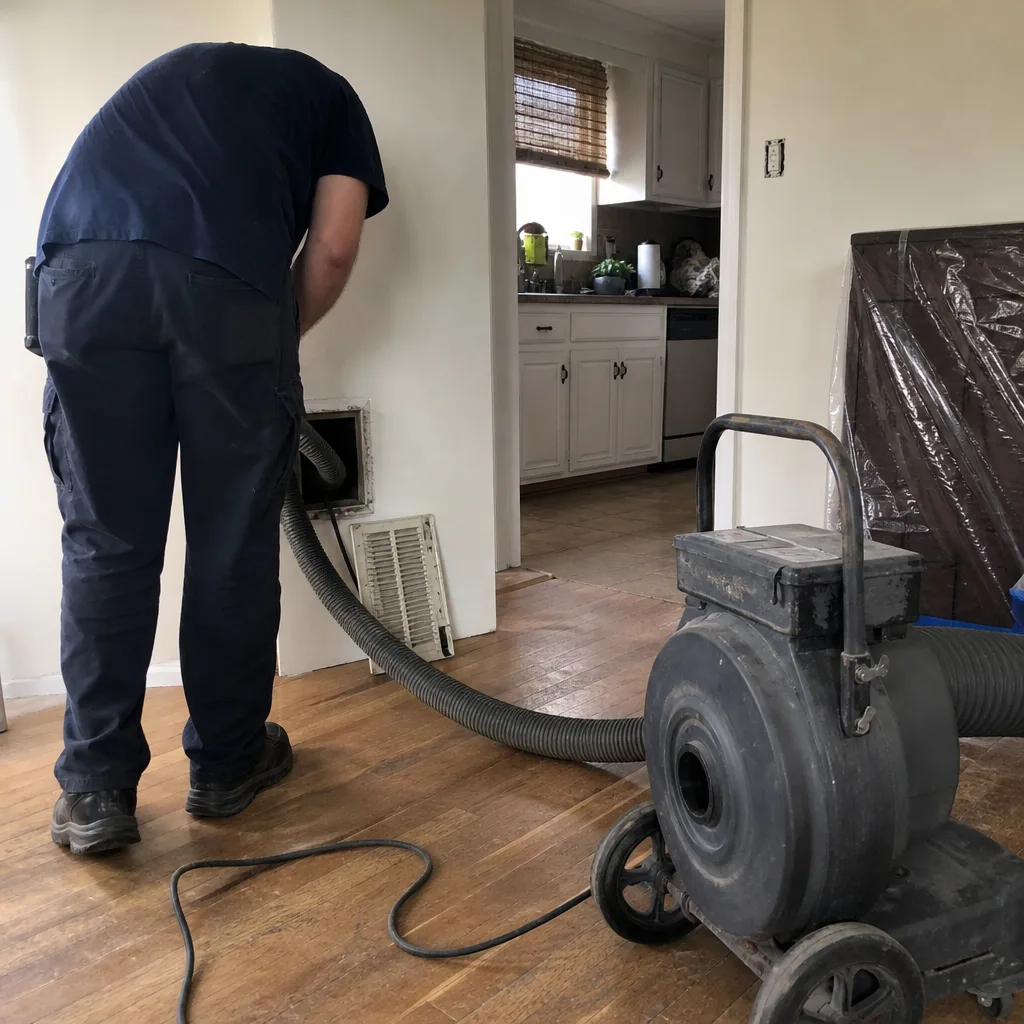 Before
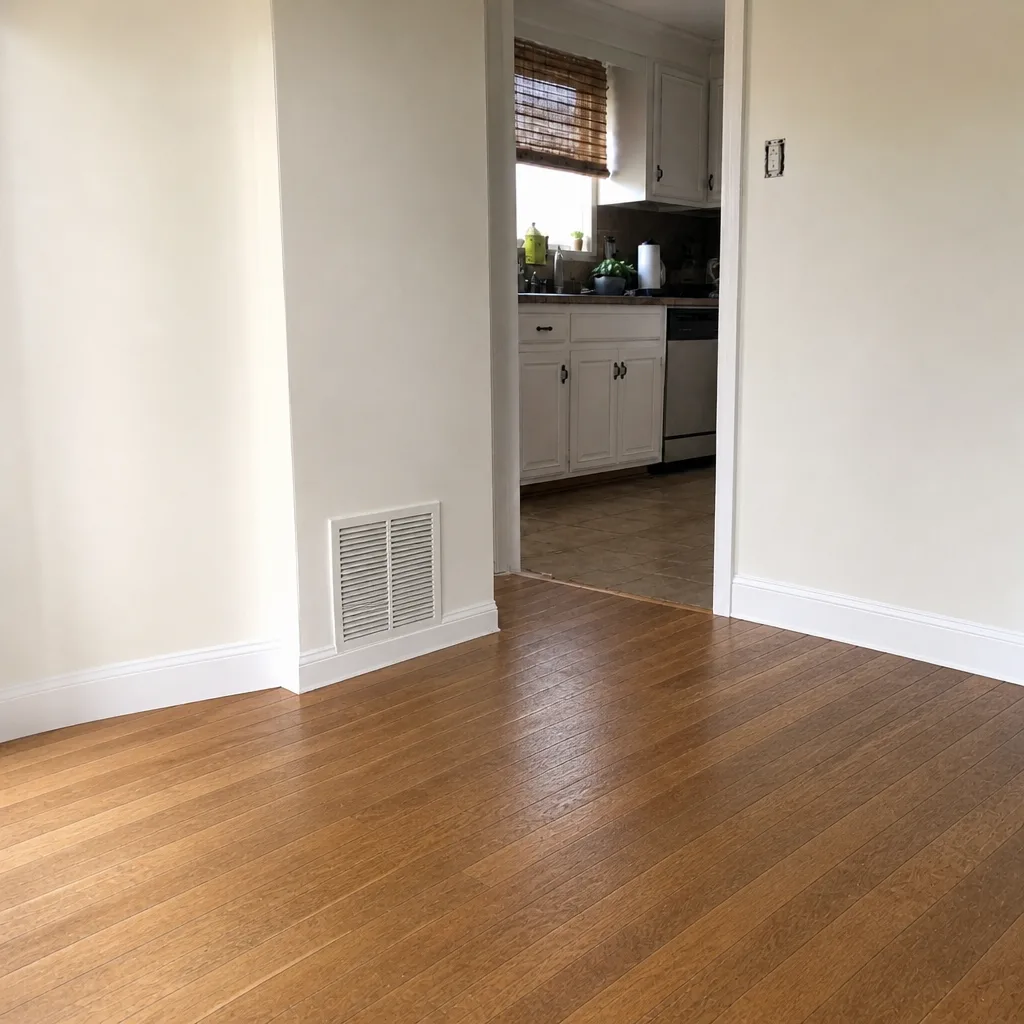 After
When to Call a Professional
Call for duct cleaning when the contamination source is beyond ordinary dust: after any fire that produced smoke in the living space, after water reached or saturated any part of the duct system, after a rodent infestation in ceiling or wall cavities, or after a renovation that produced visible dust in the returns. Call immediately after a flood, even before the remediation is complete, so the ducts can be assessed within the 48-hour window.
Air Duct Cleaning Bustleton offers free estimates in Bustleton for post-event and routine duct work. Call (833) 509-5322. We answer 24/7. Fast dispatch from 7am to 7pm, Sunday through Friday.
If your event was a fire or a flood, mention that on the call. It changes the type of visit and the equipment list.
Frequently Asked Questions
Yes, if the fire produced smoke inside the living space. Smoke travels the same pathways as air, which means the ducts and air handler collect residue even when the fire itself was elsewhere in the home. Standard cleaning won’t remove bonded soot, so the visit needs to be a remediation protocol with contained extraction and sanitizing.
As soon as possible, ideally within 48 to 72 hours of drying out the space. That’s the window before mold can establish itself in a damp duct system. If the ducts were submerged (fiberglass or flex), replacement is usually the right answer and the timeline matters less; if the ducts only saw humidity, cleaning and sanitizing can often resolve it.
It’s priced per job, by written estimate, because the scope varies so much between a smoke event, a flood, and a rodent infestation. The estimate is free, and you get a written scope before work starts. Call (833) 509-5322 for an exact quote. Estimates are free.
It depends on the policy and how the adjuster scopes the claim. Duct work is often included when it’s part of a covered event’s remediation, but coverage decisions belong to your insurer. Best practice is to photograph the affected areas before work starts and to ask for a written scope, before-and-after photos, and an itemized invoice. We can work with your insurer on documentation.
Cleaning removes physical debris and soot; sanitizing treats what’s left behind on the surfaces after physical removal. After a fire, flood, or rodent event, cleaning alone leaves the odor source and residual microbial concern in place. Sanitizing is a dedicated step in the post-event protocol, not a spray-and-go afterthought.
It depends on the event. After a flood, keep the system off until the source is fixed and the ducts are assessed; running the fan spreads moisture through the house. After a fire or rodent event, minimize run time until the ducts are cleaned. If the source is still active, shut the system down entirely. Call (833) 509-5322 and we’ll tell you what’s realistic for your situation. We answer 24/7; a call outside dispatch hours is booked into the next opening, Sunday through Friday, 7am to 7pm.
The Bottom Line
Post-event duct contamination follows a different protocol than routine dust cleaning. Soot bonds to duct walls and corrodes them, flood moisture can turn ducts into a mold pathway within 48 to 72 hours, rodent contamination requires decontamination beyond removal, and renovation dust carries silica and fiberglass fibers worth addressing before move-back. Document everything, take photos before work starts, and don’t run the HVAC system while the source is active.
The work is clean, repair, seal, and sanitize, in that order, with a written scope and before-and-after photos at the end. That’s what supports an insurance claim and what makes the visit worth doing. If you’ve had an event in Bustleton and you’re not sure where to start, call (833) 509-5322 for a free estimate. We answer 24/7. Fast dispatch from 7am to 7pm, Sunday through Friday.
Written by the team at Air Duct Cleaning Bustleton.