
Last updated November 25, 2026
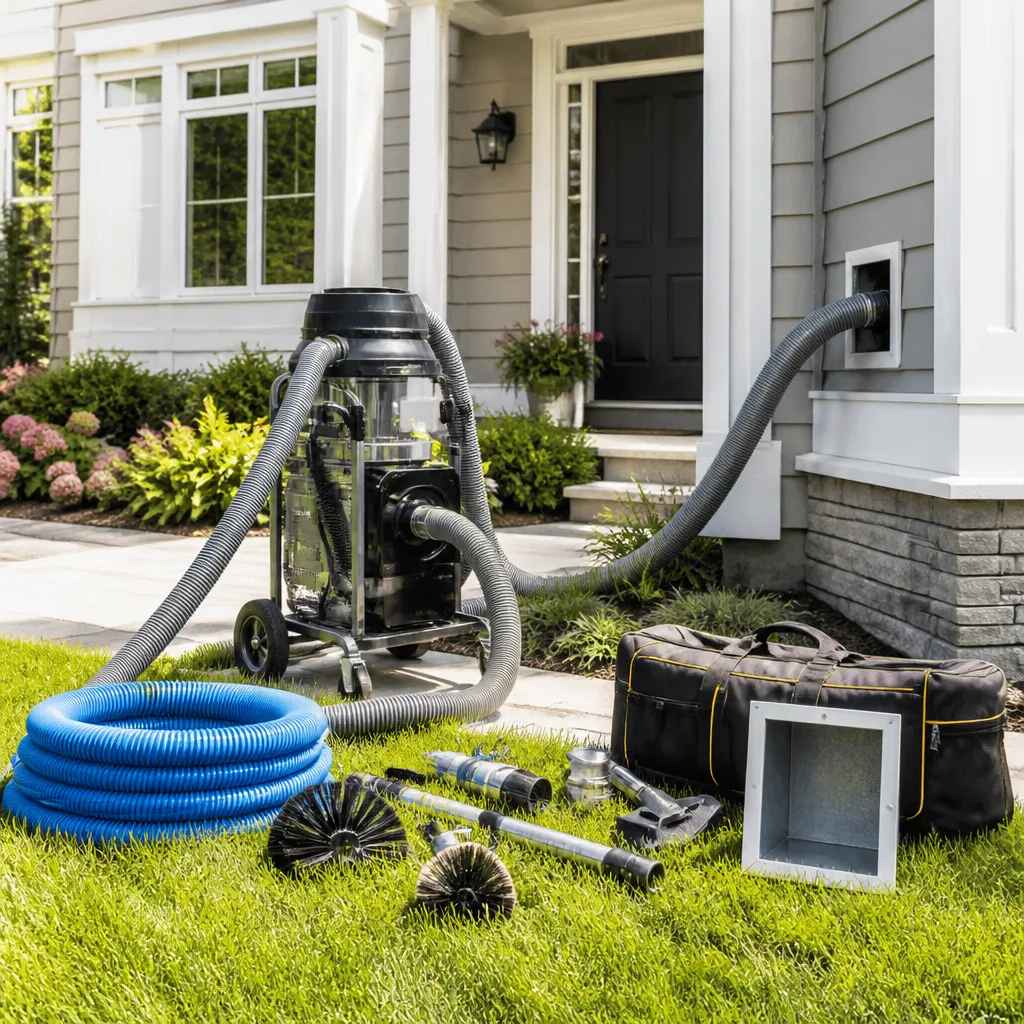 Whole-home duct cleaning
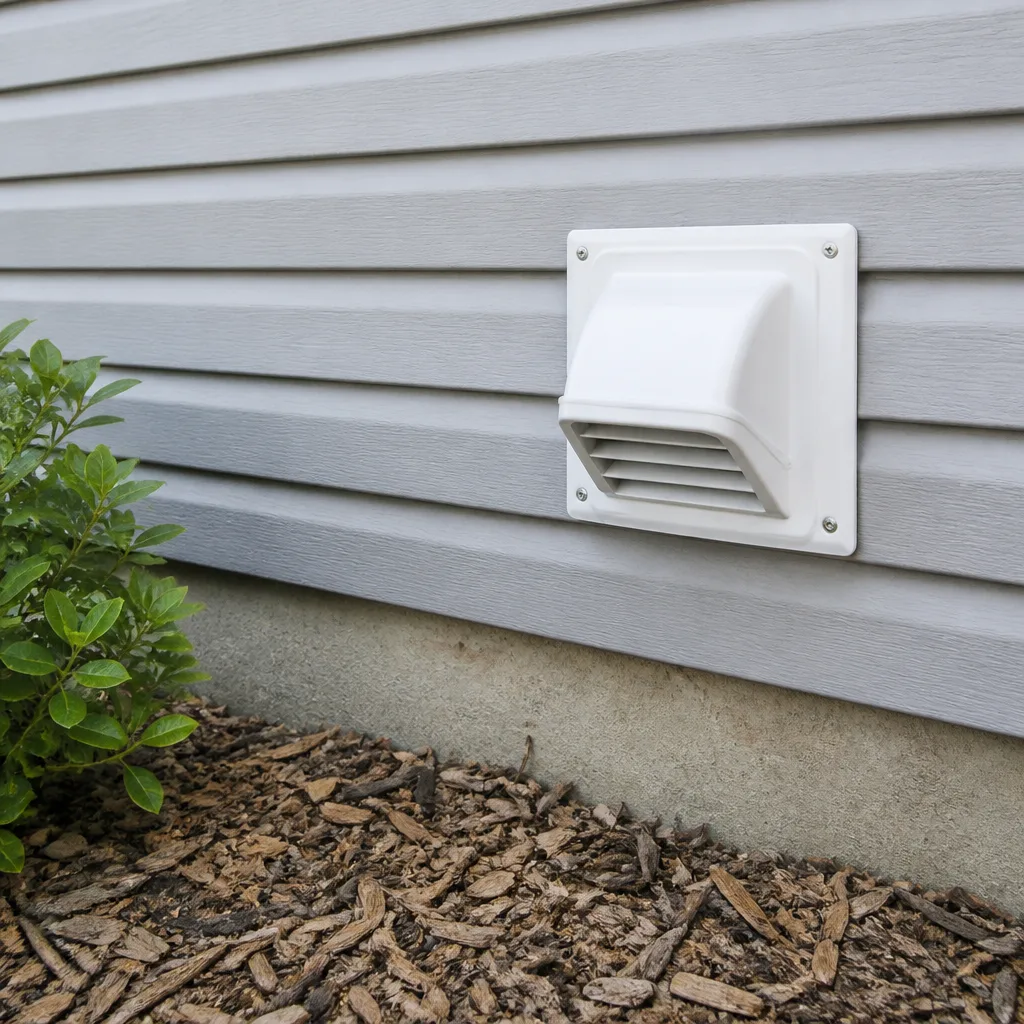 Dryer vent cleaning
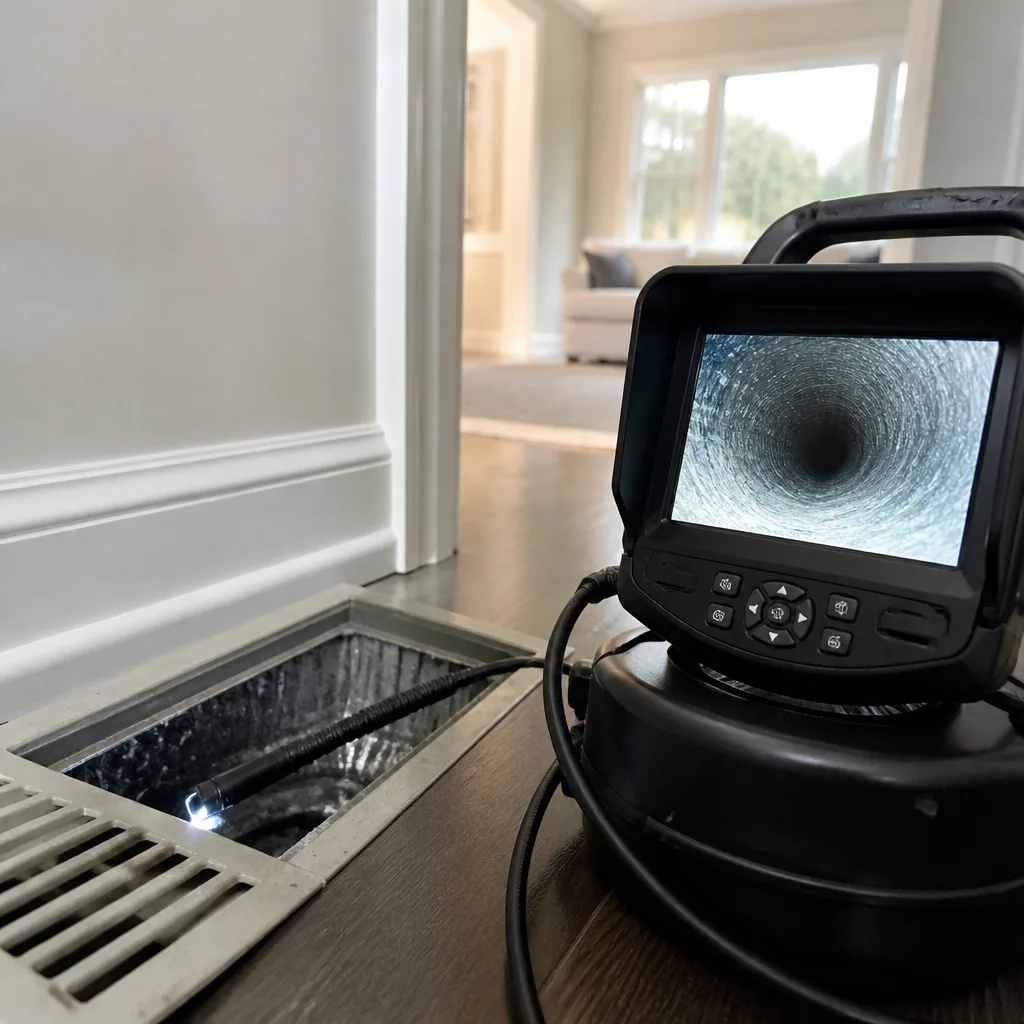 Camera inspection
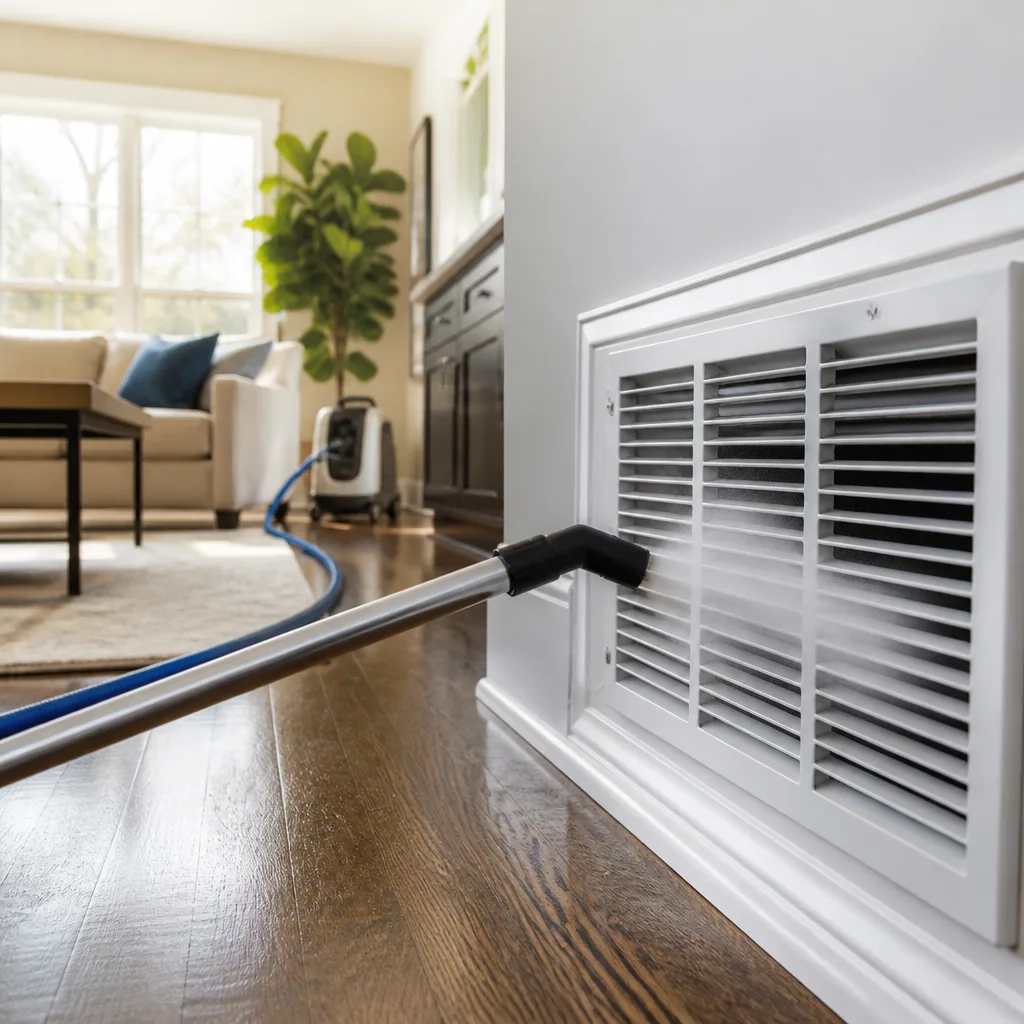 Sanitizing & deodorizing
Whole-system duct and dryer vent check with before-and-after photos - you see exactly what came out of your vents
That "$99 whole-house special" is a bait ad - the real number appears once they are in your hallway, or the "clean" is a shop-vac at the register. We photograph the inside of your ducts before and after instead.
Air Duct Cleaning Maintenance Schedule: What to Do and When
Most homeowners treat duct cleaning as a single event: the system gets dirty, someone cleans it, and the topic disappears for another five years. That approach misses the point. The well-known industry guideline of cleaning every three to five years is a minimum floor for the ductwork itself, not a maintenance plan. Your dryer vent, your evaporator coil, and your filter media each run on completely different clocks, and none of them waits patiently for the ducts’ turn. This guide lays out a real 12-month schedule for a Bustleton home, season by season, and explains which tasks you can handle and which ones need a professional.
Quick Answer
A practical air duct maintenance schedule for a Bustleton home combines filter changes every one to three months, a visual register inspection each season, a dryer vent check once or twice a year, and a professional duct cleaning every three to five years, tightened to every two to three years in homes with pets, smokers, allergy sufferers, or recent renovation dust. Coil cleaning belongs on an annual rhythm, ideally before cooling season. Each of these is a separate task on its own timeline.
Styles & brands we work with
- Whole-home duct cleaning
- Dryer vent cleaning
- Camera inspection
- Sanitizing & deodorizing
Table of Contents
- Why One Cleaning Every Few Years Isn’t a Schedule
- The 12-Month Bustleton Maintenance Calendar
- How Bustleton’s Older Row Homes and Split-Levels Change the Math
- Occupancy Factors That Shorten the Interval
- The Renovation Rule: When to Inspect, Not Necessarily Clean
- Coil Cleaning and Filtration: The Annual Tasks Most People Skip
- What a Technician Should Document at Every Visit
- The Dryer Vent Runs on Its Own Clock
Why One Cleaning Every Few Years Isn’t a Schedule
The three-to-five-year figure that circulates online describes the ductwork only, and it assumes a fairly average home with average occupancy. It was never meant to cover your entire air pathway. Think about what actually moves through a forced-air system in Bustleton: supply and return ducts, the air handler, the blower, the evaporator coil, the filter housing, the registers, and a separate dryer exhaust line that has nothing to do with the HVAC at all. Each of those components accumulates different material at a different rate.
The ducts collect the bulk debris: dust, pet hair, drywall particles after a renovation, and whatever the return grilles pull in. The coil collects a finer, stickier film because it’s wet for much of the cooling season, which is why it needs attention on an annual rhythm rather than a multi-year one. The filter is your first line of defense and is meant to be replaced on a short cycle. The dryer vent collects lint, which is a fire concern independent of air quality and needs its own inspection schedule.
Treating all of these as one task is how systems end up with clean ducts feeding a fouled coil, or a freshly sealed duct run exhausting through a clogged dryer line. Our technicians have up to 9 years of experience, and the pattern we see most often is a homeowner who paid for a duct cleaning but never had the coil or the dryer vent looked at. A real schedule separates the tasks and assigns each one its own horizon.
- Filter: every one to three months, depending on media type and household.
- Registers and returns: visual check each season, cleaned as needed.
- Evaporator coil: annually, before the cooling season.
- Dryer vent: inspected once or twice a year, cleaned based on lint load.
- Ductwork: professionally cleaned every three to five years, sooner under heavy load.
The 12-Month Bustleton Maintenance Calendar
Here’s how a workable year breaks down for a Bustleton home with gas heat and central air. The logic behind the timing matters more than the exact month, so adjust to your own routine. The point is that each season has a small, specific job attached to it, and none of them require you to remember anything once they’re done.
- Early spring (before cooling season): replace the filter, check the condensate drain for clogs, and book a coil cleaning or at minimum a coil inspection. The first warm stretch is when a dirty coil shows up as weak cooling and a higher electric bill.
- Late spring: walk the registers and returns with a flashlight. Look for dust trails on the grille fins, loose tape at the boot, or a register that blows noticeably weaker than its neighbors. Note them for the technician.
- Summer: check the filter again. A humid Bustleton summer means the system runs long hours, and a filter that was fine in April can be loaded by July. Vacuum the return grille face on the same visit.
- Early fall (before heating season): replace the filter and do the second register walk-through. This is the natural window for a professional duct inspection, because you want the heat exchanger’s air supply clean before the furnace runs hard.
- Fall: inspect and clean the dryer vent. Lint load builds all year; catching it before the heating season is the sensible order, since the dryer works alongside a furnace that’s now running too.
- Winter: a quiet month for the system. This is a good time to review the documentation from the last professional visit and decide whether the ducts are due for cleaning on their three-to-five-year cadence.
Two of these are yours to handle. The filter changes and the register walk-through are homeowner tasks and cost nothing but a few minutes. The coil cleaning, the dryer vent cleaning, and the duct cleaning belong to a professional with proper extraction equipment, and we’ll come to why that distinction matters.
How Bustleton’s Older Row Homes and Split-Levels Change the Math
The three-to-five-year guideline assumes open-plan construction with a straightforward duct layout. Many Bustleton homes aren’t built that way. The neighborhood has a substantial stock of older row homes and mid-century split-levels, and those layouts create specific problems that a generic schedule ignores.
Row homes are deep and narrow. The duct run from a basement or utility-closet air handler to a far rear bedroom can be long, with several direction changes and a good length of flex duct. Every bend and every foot of flex adds friction, which slows airflow, and slower airflow lets debris settle instead of staying airborne. That means the far end of the run accumulates faster than the near end. A split-level is different but related: the offset levels mean short, hard-turned trunk runs feeding each level, and the low-ceiling crawl or utility spaces common in these homes can hide return ducts that nobody has looked at in years.
The result is dead zones. These are sections of ductwork where air barely moves, so dust and lint settle out and stay put. Over time a dead zone gets a thick, matted coating that a filter change can’t touch and that a quick shop-vac pass through a register can’t reach either. In our experience the dead zones are also where we find disconnected joints and leaking seams, which is why we treat duct repair and sealing as part of the same visit. Cleaning a duct doesn’t fix a leak, and a leaky duct leaks dust right back in. When we clean, we also check the seams and connections and repair what we find on the spot.
The practical takeaway for a Bustleton row home or split-level is to lean toward the shorter end of the three-to-five-year range. If your home has long flex runs, hidden returns, or a finished basement with ceiling-mounted ducts, treat three years as the realistic interval rather than waiting for five.
Occupancy Factors That Shorten the Interval
The baseline interval assumes an ordinary household. Change the household and the interval changes with it. This is the part of the schedule most homeowners have never been given, and it’s the part that matters most in a home that isn’t average.
- Pets: one or more shedding animals moves the duct interval toward the two-to-three-year range. Pet hair is coarse and binds to duct walls; it doesn’t travel like fine dust, so it settles and builds.
- Smokers in the home: also two to three years, and it’s worth adding air quality sanitizing to the visit. Smoke residue is fine and oily, and it coats duct surfaces rather than passing straight through.
- Allergy or asthma sufferers: two to three years, with more attention to filtration. A higher-efficiency filter from a recognized brand like Honeywell or Aprilaire, matched to what your system can handle, does more for a sensitive household than a filter change alone.
- High occupancy: more people means more skin cells, more dust, and more hours of system runtime. Trend shorter.
- Carpet throughout: carpet holds dust and releases it into the return airflow on every footstep. Trend shorter.
- Recently moved in and don’t know the history: treat the ducts as unknown and inspect right away. You can’t schedule maintenance you can’t baseline.
A household with two shedding dogs, wall-to-wall carpet, and an allergy sufferer is a two-year cycle, not five. That isn’t a sales tactic; it’s the physics of how much material enters the system and how fast it deposits. When a household stacks up several of these factors, we usually recommend inspecting rather than assuming, because the inspection tells you what the ducts actually look like instead of guessing from the calendar.
The Renovation Rule: When to Inspect, Not Necessarily Clean
Any renovation that opens walls, cuts drywall, or disturbs insulation sends a wave of fine particles into the air, and a running HVAC system is very good at pulling them into the return ducts. The instinct is to book a full cleaning right away, but that isn’t always the right call. The better rule is to inspect first, then decide.
Here’s why the timing matters. Drywall dust is fine and powdery, and it stays suspended for a while after the work is done. If you clean the ducts the day the contractor packs up, you may still have dust settling out of the air for a week afterward, which lands right back in the clean ducts. Insulation fibers behave similarly. The sensible sequence is to finish the renovation, let the dust settle, change the filter once or twice in the weeks that follow, and then have the ducts inspected. If the inspection shows heavy loading in the return trunks and the near-run sections, clean. If it shows light surface dust, a filter change and a register wipe-down may be all you need.
What we look for after a renovation is specific: drywall dust concentrated in the return ducts and the first few feet of each supply run, insulation fibers caught at the register boots, and any filter bypass where dust slipped past a poorly seated filter. A filter that doesn’t fit its housing tightly lets dust around the edges, and after a renovation that bypass is the first place to check. Our Abatement Technologies equipment is built for contained extraction, which is what you want when the debris includes fine particulates that you’d rather capture than blow around the room. Whether that inspection turns into a cleaning is a judgment call, and it should be based on what’s actually in the ducts, not on a fixed schedule.
Coil Cleaning and Filtration: The Annual Tasks Most People Skip
If you take one thing from this guide, take this: the coil and the filter matter more to your air quality and your energy use than the ducts do, and they’re the two components people neglect most. The ducts get the attention because they’re the visible part of the system. The coil is where the work actually happens.
The evaporator coil is wet for most of the cooling season. Dust that reaches it sticks, and once it sticks it forms a mat that insulates the coil and reduces its ability to transfer heat. A fouled coil means the system runs longer to reach the same temperature, which is exactly what you notice as weak cooling and a higher bill. In our experience a coil with a matted film is common in Bustleton homes that have never had one cleaned. Annual coil cleaning, done before the cooling season, keeps it from getting there. This is HVAC cleaning work, not duct work, and it’s part of the same visit when we service a system.
Filtration is the other half. A filter’s job is to catch what’s in the air before it reaches the coil and the ducts, and the filter is only as good as its fit and its change interval. Pleated media filters rated for fine particles do more than basic fiberglass panels, and brands like Honeywell and Aprilaire make housings and media designed to seat tightly and hold their shape. A filter that’s too restrictive for the blower is a real problem, though; an oversized high-MERV filter can starve airflow. The right answer depends on your system, which is why we match filter media to the equipment rather than recommending the highest number on the shelf. Guardsman filtration products are another option we work with when a household wants a specific grade and fit. Change the filter on schedule, seat it properly, and the coil and ducts both stay cleaner for longer.
What a Technician Should Document at Every Visit
A maintenance schedule is only as good as the records behind it. Without a baseline, every visit starts from zero, and nobody can tell whether the system is getting dirtier faster than expected or holding steady. Good documentation turns a series of one-off cleanings into an actual maintenance history.
Here’s what should be captured on every professional visit, whether it’s a full cleaning or an inspection:
- Before-and-after photos of the ducts, the coil, and the registers. This is how you know the work was actually done rather than described.
- Debris condition notes: what type of material was found (dust, hair, drywall, fibers) and roughly how heavy the loading was in each section.
- Seam and joint findings: which connections were leaking, disconnected, or taped poorly, and what was repaired.
- Filter type and size, so the next change is the right one and the housing fit is consistent.
- Coil condition, clean, lightly filmed, or matted, with the cleaning performed noted.
- Dryer vent status, including the run length and any restrictions, if the vent was part of the visit.
- Recommended next service date based on what was actually found, not on a fixed calendar.
That last item is the one that makes the schedule real. If a technician finds heavy loading in the dead zones of a split-level, the next cleaning should be sooner than the standard interval, and the documentation should say so. When we come back, the previous record gives us something to compare against, and that comparison is what tells you whether the schedule is working. One call covers the whole system, and the documentation covers the whole system too.
The Dryer Vent Runs on Its Own Clock
The dryer vent is the one component on this schedule that’s as much a safety concern as an air quality one. Lint is highly flammable, and a vent that’s restricted by lint buildup makes the dryer work harder and run hotter. It has nothing to do with your HVAC ducts and shouldn’t be scheduled on the same multi-year rhythm. Once or twice a year is the sensible check, and more often in a large household that runs several loads a week.
What to watch for between professional checks: clothes taking longer than usual to dry, the dryer feeling hot to the touch on top, a lint screen that fills faster than it used to, or a vent flap outside that doesn’t open fully when the dryer runs. Any of these is a reason to have the line inspected rather than waiting for the calendar. A long or sharply bent vent run is more prone to collecting lint, and older Bustleton homes sometimes have vent runs that were routed awkwardly during a past renovation. When we service a home, the dryer vent cleaning is part of the same appointment as the rest of the system, so it doesn’t get forgotten for another year. Professional-grade extraction gets the lint out of the full run, not just the section you can reach.
Common Mistakes to Avoid
- Treating the duct cleaning as the whole schedule. Cleaning the ducts while ignoring the coil and the dryer vent leaves two-thirds of the air pathway unaddressed. The system is only as clean as its dirtiest component.
- Waiting for visible dust before acting. The dirtiest parts of a duct system are the dead zones you can’t see from a register. By the time dust is visible at the grille, the return trunks have usually been loading for a while.
- Cleaning immediately after a renovation. Drywall dust keeps settling for days after the work ends. Let it settle, change the filters, then inspect and decide whether a full cleaning is warranted.
- Choosing a filter by its rating alone. The highest-rated filter isn’t automatically the right one; an overly restrictive media can starve airflow and stress the blower. Match the filter to the system.
- Ignoring leaks and disconnected joints. A cleaning that doesn’t check the seams leaves the system leaking dust back into the return. In older Bustleton row homes, disconnected joints in the hidden return runs are common.
- Skipping the documentation. Without before-and-after photos and notes on condition, the next visit has no baseline and nobody can tell whether the interval should be adjusted.
- Assuming the last owner kept up with it. If you’ve recently moved into a Bustleton home, the duct history is unknown, and the right move is an inspection to establish a starting point.
See the difference
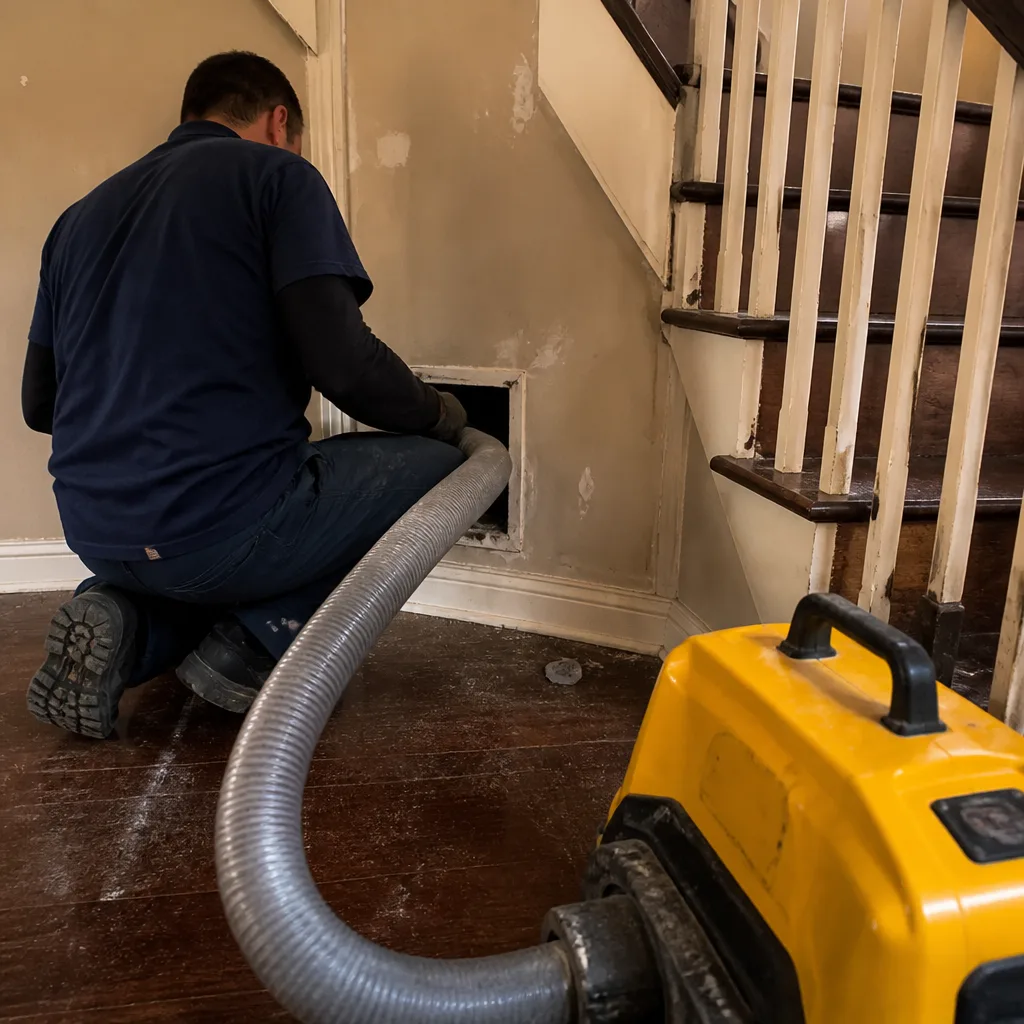 Before
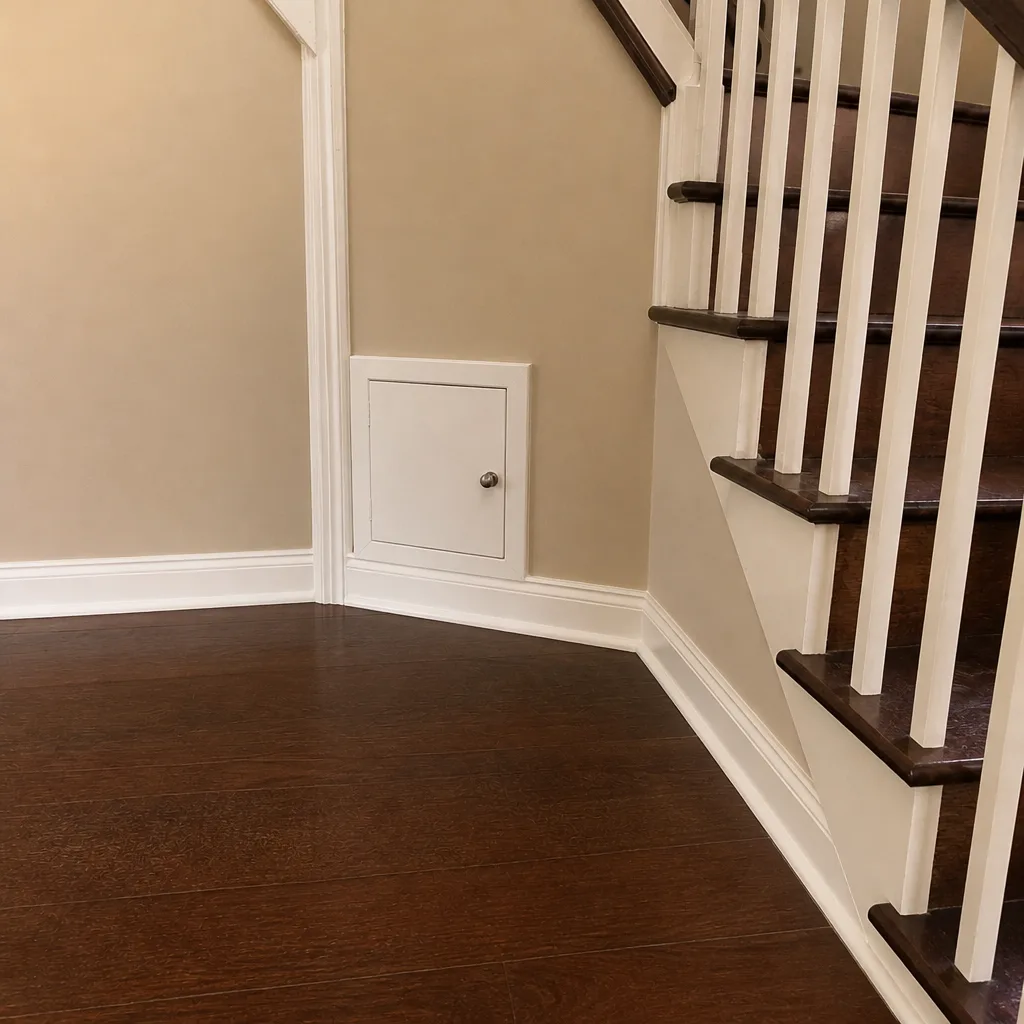 After
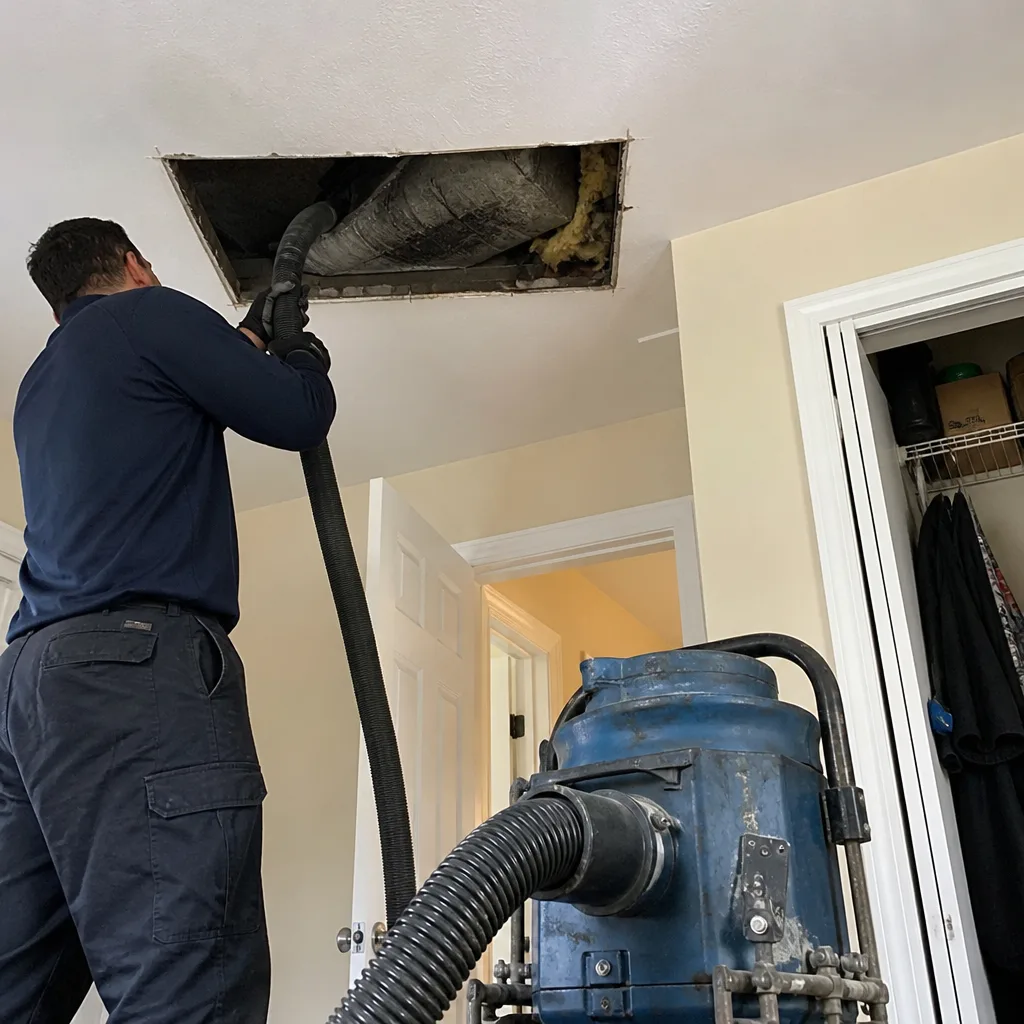 Before
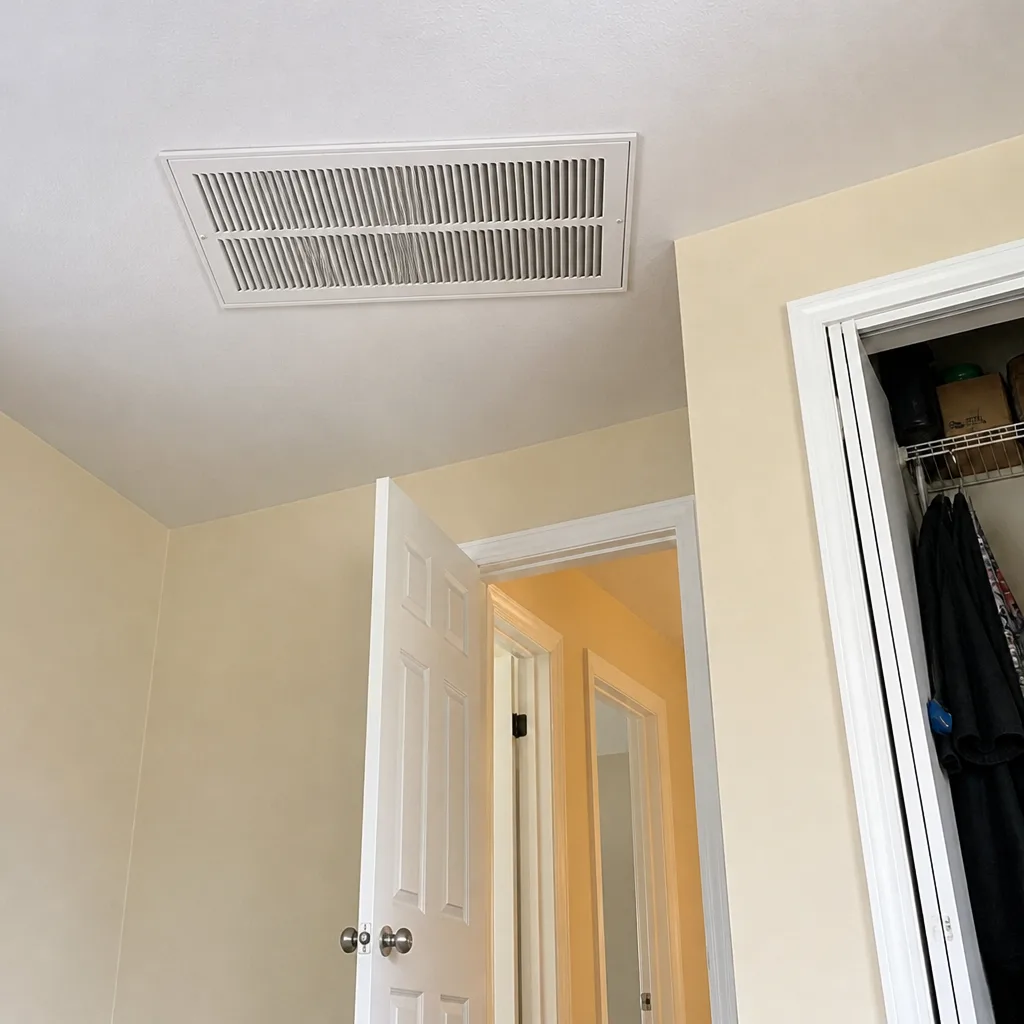 After
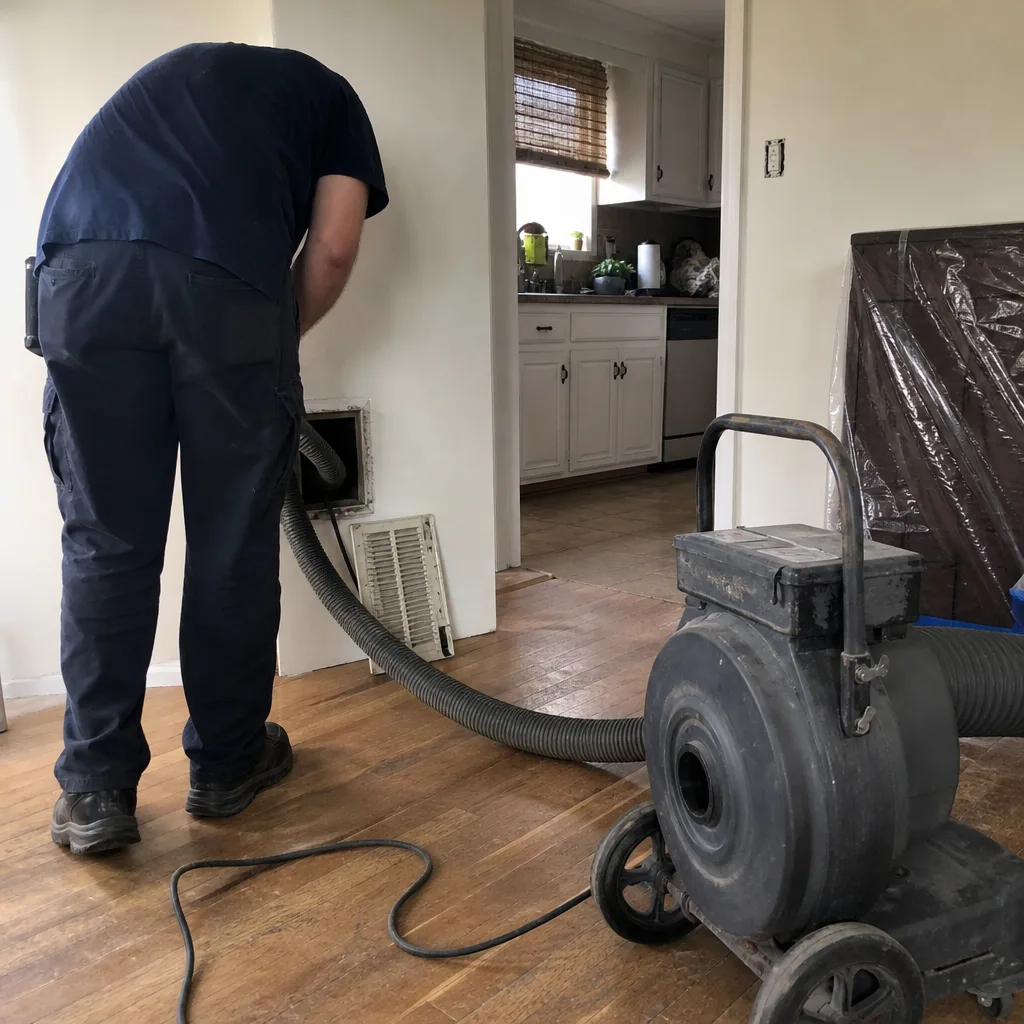 Before
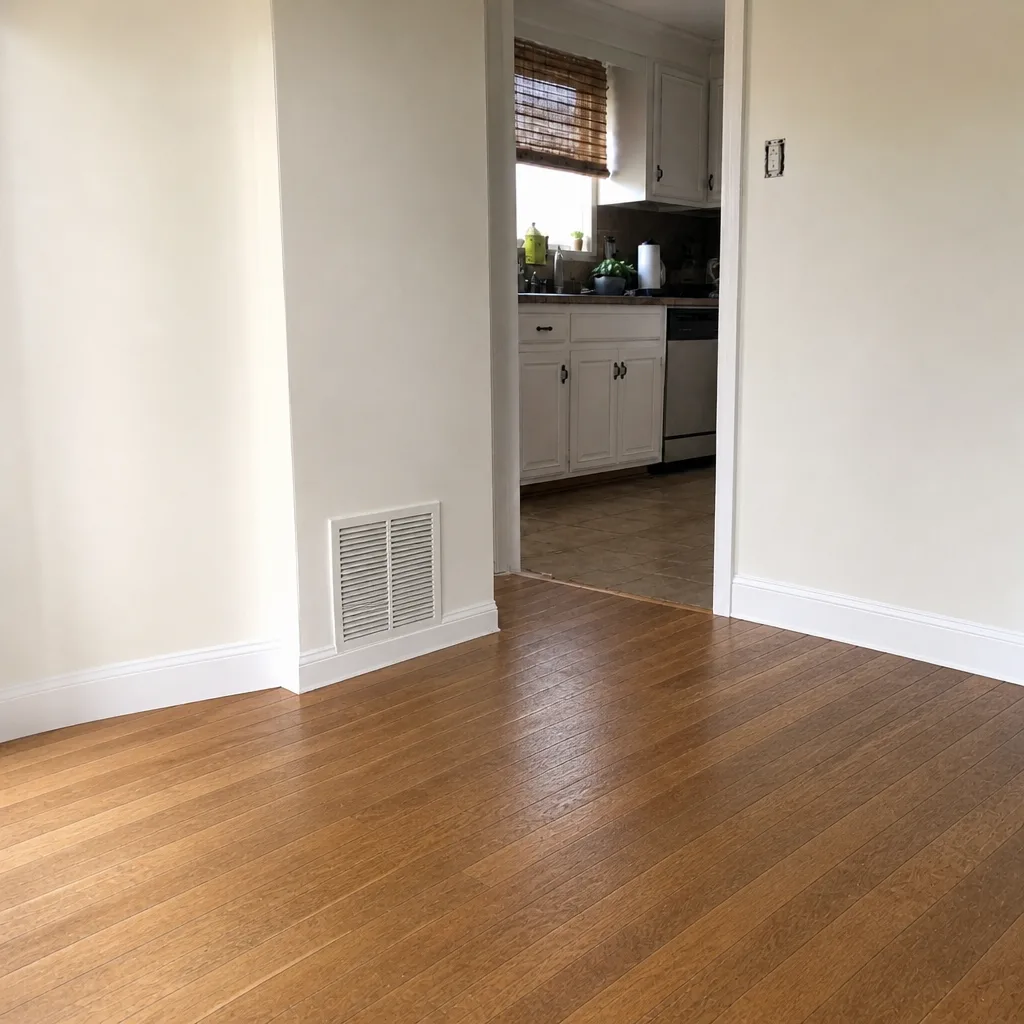 After
When to Call a Professional
Some tasks on this schedule are yours: filter changes, register inspection, and the seasonal walk-through. Others need a professional with proper extraction equipment and the training to look at the whole system. Call us when you’ve just finished a renovation that generated drywall dust or insulation fibers, when you’ve moved into a Bustleton home and don’t know the duct history, when anyone in the household has allergies or asthma and the ducts have never been cleaned, when you notice weaker airflow at some registers than others, when the dryer is taking longer to dry clothes, or when you’re simply due for the professional cleaning on your three-to-five-year cadence and want it done properly.
The hesitation we hear most is about bait-and-switch: a low advertised price that becomes a much larger invoice once the technician is on site. Our answer is straightforward. You get one flat price per system agreed before work starts, no per-vent pricing, and before-and-after photos of your own ducts so you can see what was done. Our technicians have up to 9 years of experience, and we use professional-grade equipment from Rotobrush, Nikro, and Abatement Technologies, the same brands trusted by remediation contractors, not consumer-grade or rental gear. Air Duct Cleaning Bustleton offers free estimates in Bustleton. Call (833) 509-5322. We answer 24/7. Fast dispatch from 7am to 7pm, Sunday through Friday.
Frequently Asked Questions
Every three to five years for an average household, tightened to every two to three years if you have pets, smokers, allergy sufferers, high occupancy, or a home that’s recently been renovated. The three-to-five-year figure is a floor for the ducts specifically, not a full maintenance schedule. Call (833) 509-5322 for an exact quote; estimates are free.
Pricing is set per system by a written estimate rather than by a per-vent figure, so the best way to get an exact number for your home is a free estimate. We give you one flat price per system agreed before any work starts, which avoids the surprise invoice that follows a low advertised price. Call (833) 509-5322 to schedule it.
Low quotes usually reflect limited equipment, a single-service scope, or a price that grows once the technician is on site. Professional extraction equipment from brands like Rotobrush and Nikro, full-system coverage, and a flat written price cost more to deliver honestly than a teaser coupon. We give you one flat price per system agreed before work starts, so you can compare fairly. Call (833) 509-5322 for a written estimate.
Ask for before-and-after photos of your own ducts, taken during the visit, plus notes on what was found in each section. A proper visit documents condition, repairs, and any restrictions, not just a receipt. We photograph our work and leave you the record. Call (833) 509-5322 to see how it works.
An inspection is the right first step. Let the dust settle for a week or two after the work ends, change your filters, then have the ducts inspected and clean only if the loading warrants it. That sequence avoids cleaning ducts that dust will re-coat in the following days. Call (833) 509-5322 to book an inspection.
No. The dryer vent runs on its own clock and should be checked once or twice a year, not every three to five years, because lint is a fire concern. Longer or sharply bent vent runs need more frequent checks. We clean the dryer vent as part of the same visit so it doesn’t get forgotten. Call (833) 509-5322.
The Bottom Line
A real air duct maintenance schedule assigns different tasks to different time horizons. Filters change every one to three months. Registers get a visual check each season. The coil gets cleaned annually, before cooling season. The dryer vent gets checked once or twice a year. The ducts get professionally cleaned every three to five years, tightened to two or three in heavy households and older homes with long flex runs or hidden returns. Renovations call for an inspection first, then a decision. Every visit should leave you with before-and-after photos and notes so the next one has a baseline. That’s the difference between a reactive habit and a schedule that actually keeps your air clean. When you’re ready, air duct cleaning is where most Bustleton homeowners start, and Air Duct Cleaning Bustleton can cover the whole system in a single appointment. Call (833) 509-5322 for a free estimate. We answer 24/7. Fast dispatch from 7am to 7pm, Sunday through Friday.
Written by the team at Air Duct Cleaning Bustleton.