
Last updated November 25, 2026
 Whole-home duct cleaning
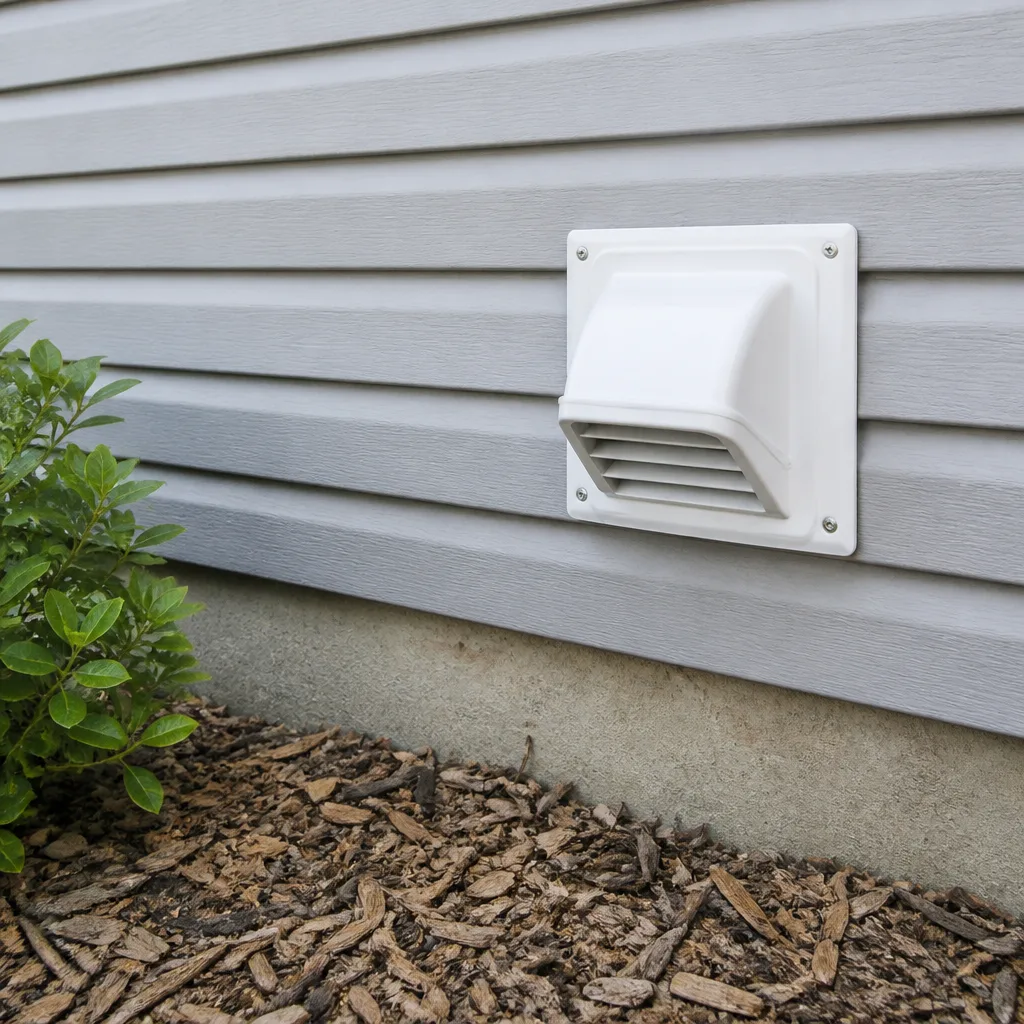 Dryer vent cleaning
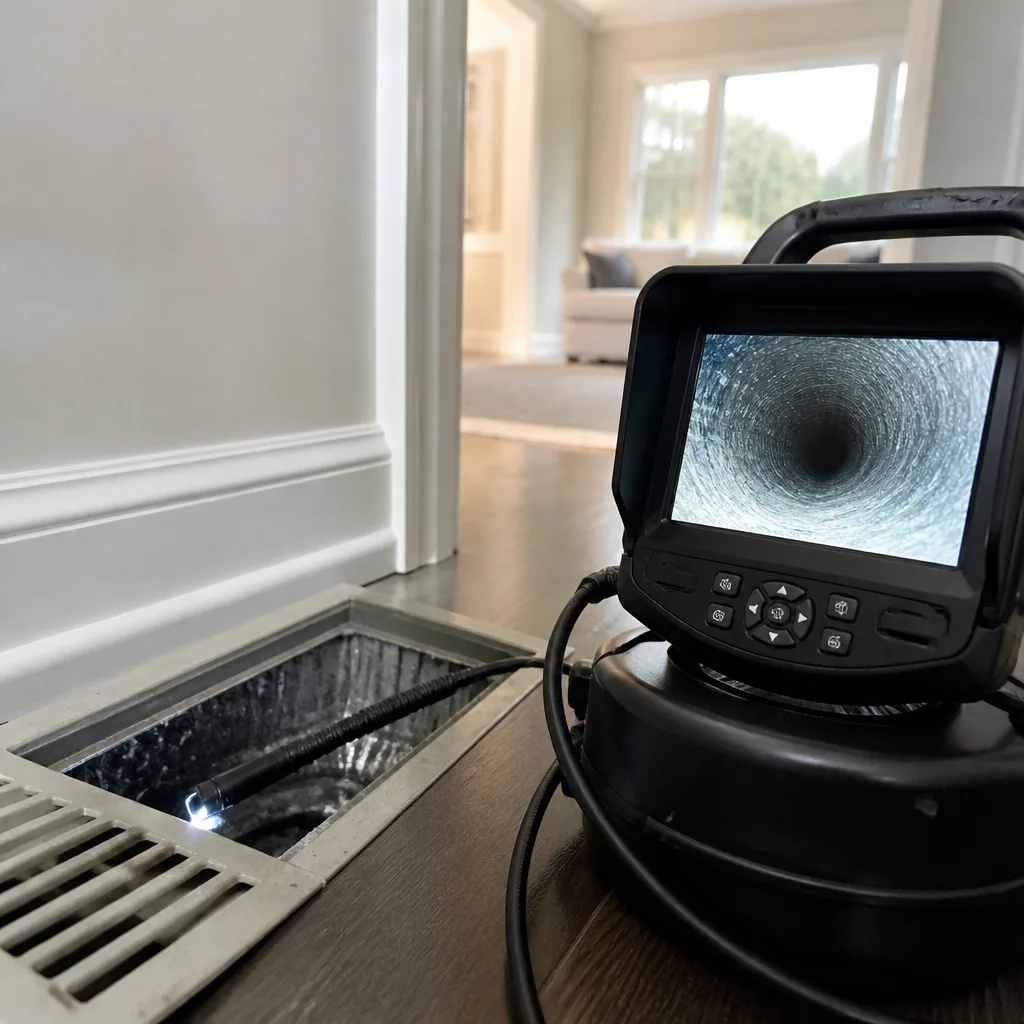 Camera inspection
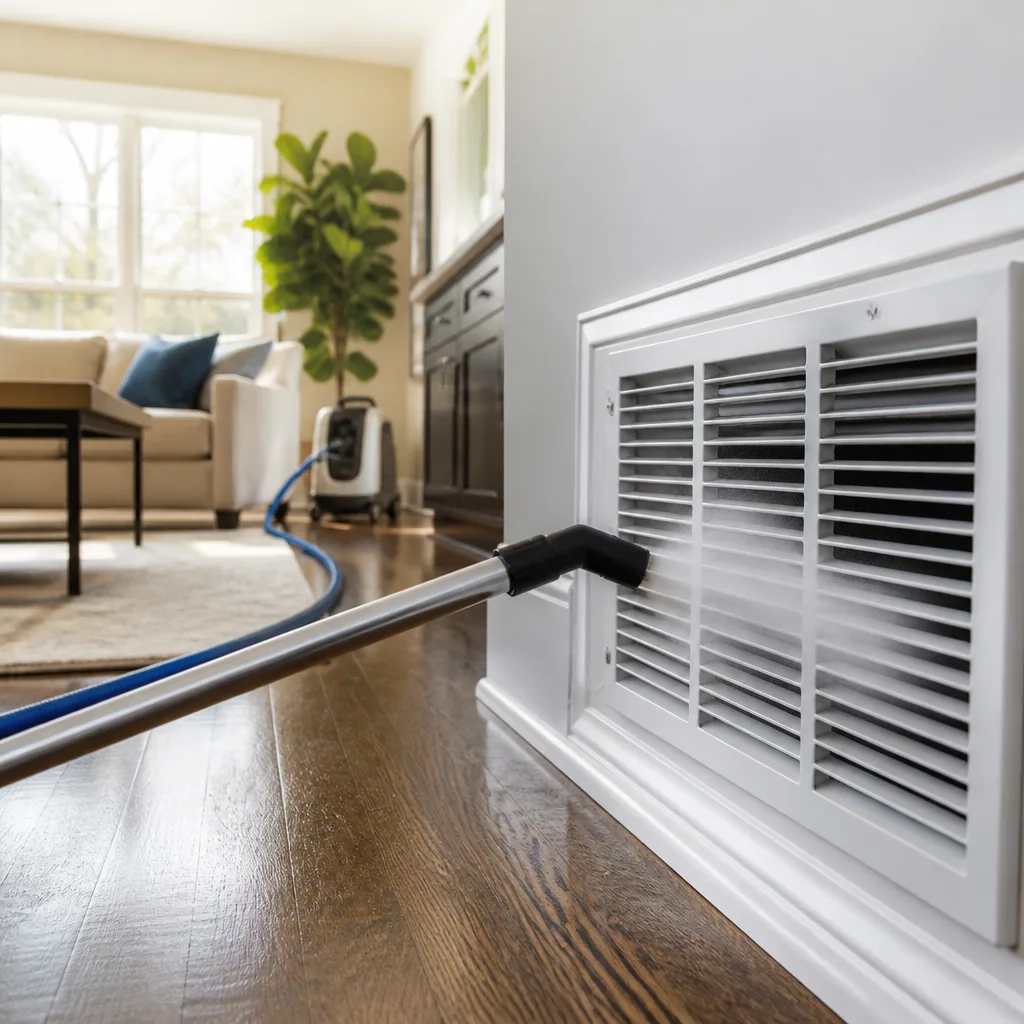 Sanitizing & deodorizing
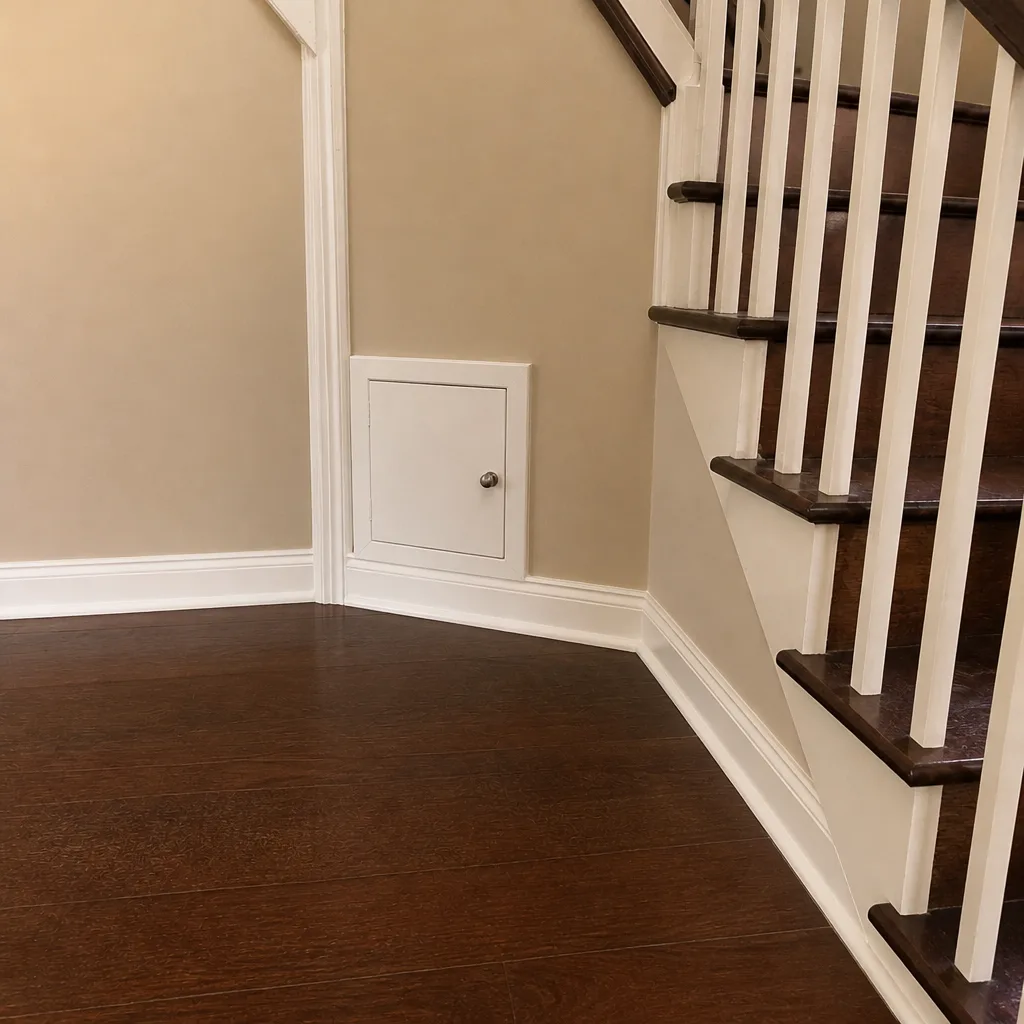
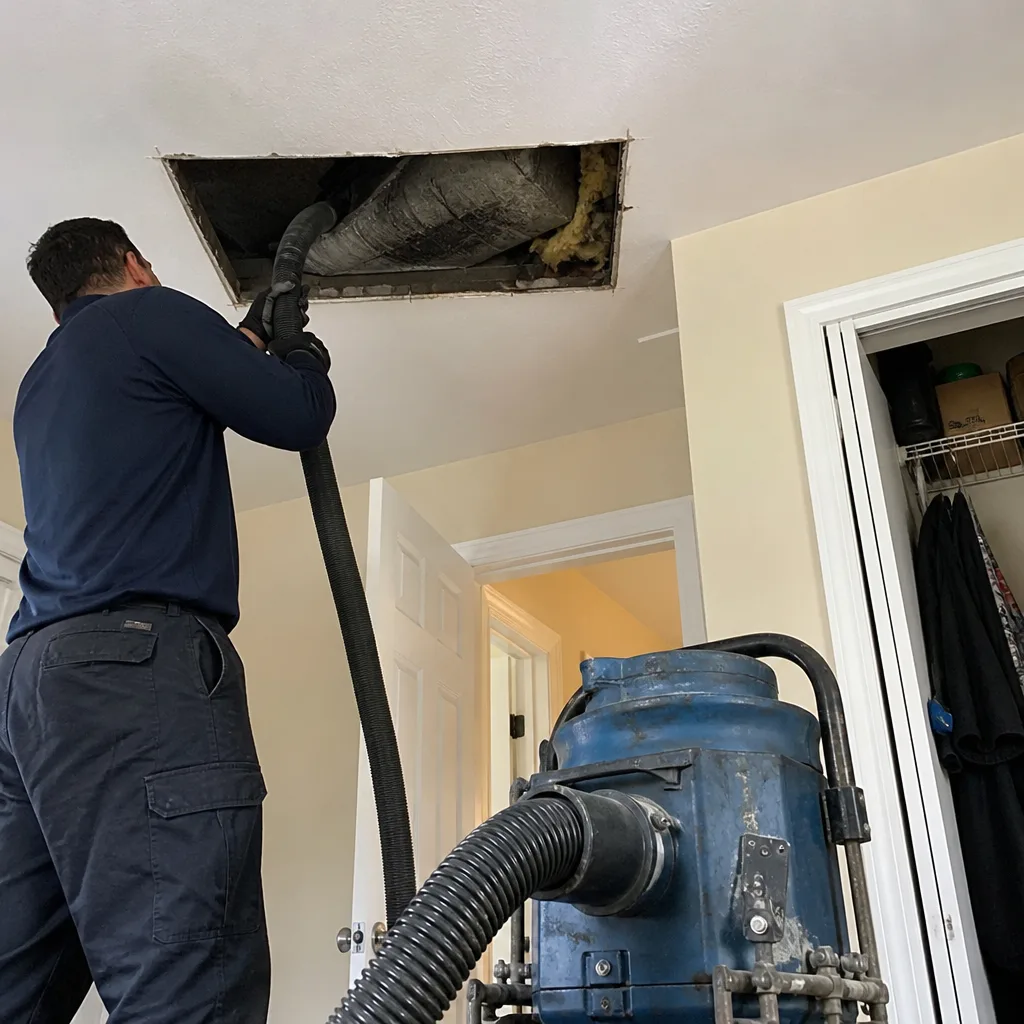
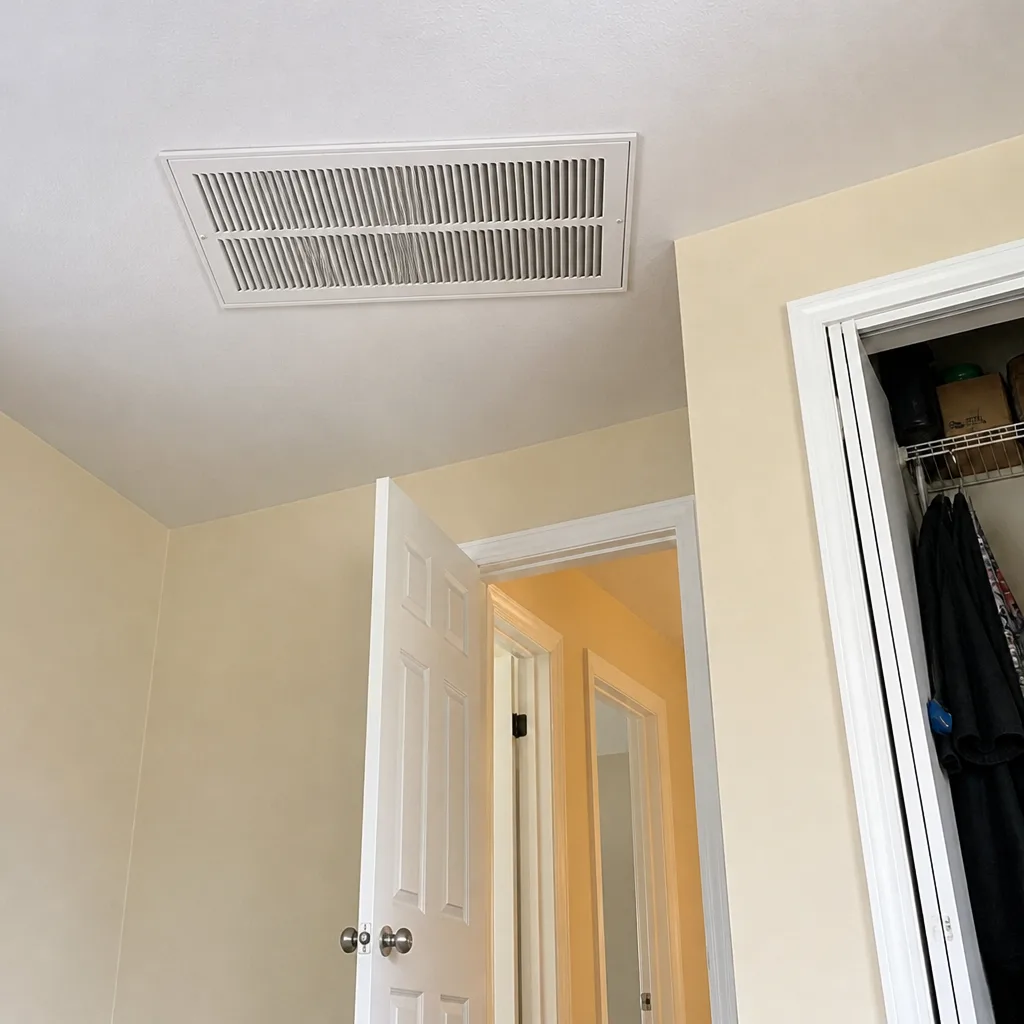
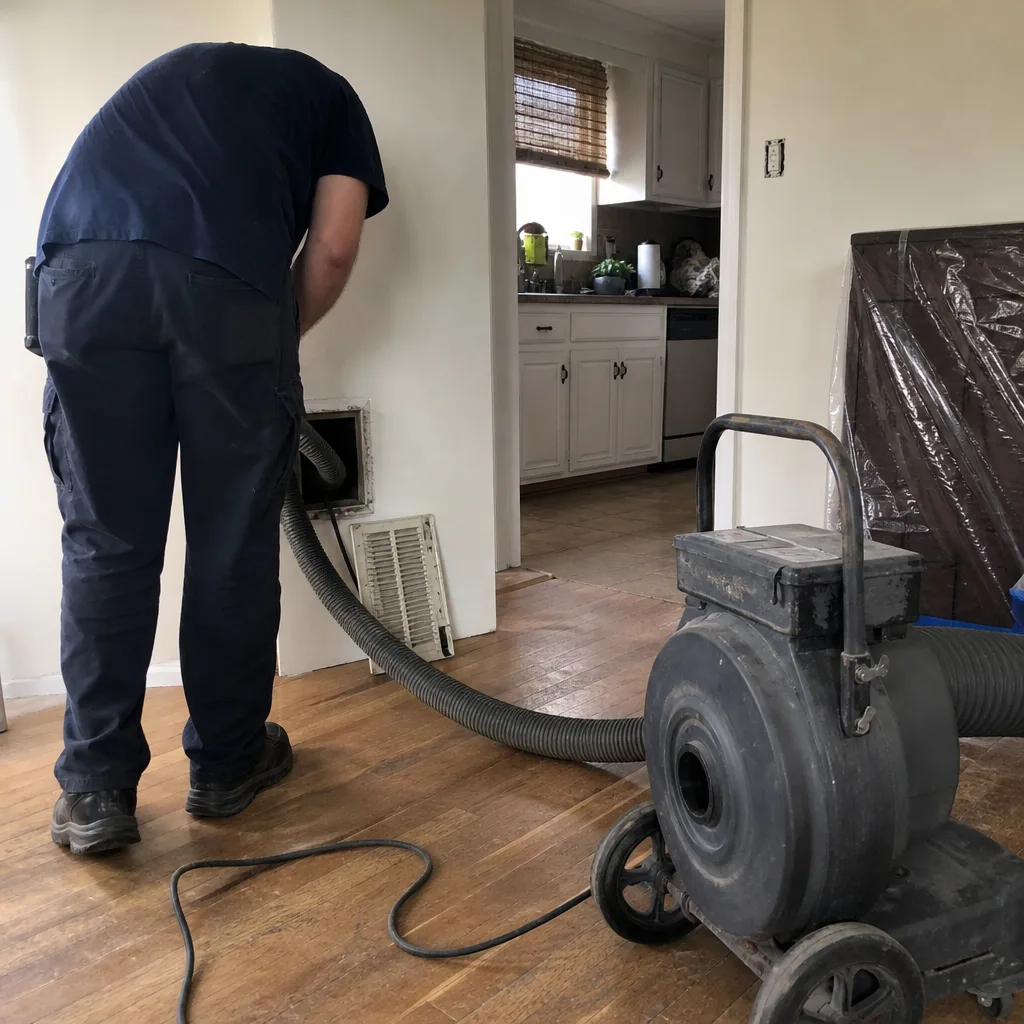
Whole-system duct and dryer vent check with before-and-after photos - you see exactly what came out of your vents
That "$99 whole-house special" is a bait ad - the real number appears once they are in your hallway, or the "clean" is a shop-vac at the register. We photograph the inside of your ducts before and after instead.
Air Duct Cleaning Troubleshooting in Bustleton: Common Problems and How to Fix Them
Here’s the part of duct troubleshooting nobody wants to hear: the equipment in your basement is often the wrong thing to blame. A technician swapping out a blower motor won’t fix uneven airflow if a run of flex duct behind your drywall has collapsed, and homeowners across Bustleton have paid for the wrong repair first because no one mapped the duct system before diagnosing the symptom. This guide treats your ducts as a mechanical system with known, findable failure points, not a black box. You’ll learn how to map the system by register and return, read airflow at each vent, tell a dirty coil from a blocked return from a crushed flex run, and know when the answer is cleaning, sealing, or sanitizing rather than a new part.
Quick Answer
Most air duct problems in Bustleton stop being mysterious once you map the system and compare airflow at each register. Uneven airflow is usually a duct-side issue (a blocked return, a collapsed flex run, or a disconnected joint), a musty smell after cleaning usually points to wet liner or mold near the air handler, and rising noise at a vent usually means turbulence from a loose joint. A methodical walkthrough of returns, registers, and the air handler tells you which one you have before you call for equipment work.
Styles & brands we work with
- Whole-home duct cleaning
- Dryer vent cleaning
- Camera inspection
- Sanitizing & deodorizing
Table of Contents
- Step One: Map Your Duct System by Register and Return
- The Three Big Airflow Problems and How to Tell Them Apart
- How to Take Airflow Readings at Each Register
- The Tissue Test and the Decibel Test: Finding Turbulence
- Why Musty Odors After Cleaning Usually Aren’t a Failed Cleaning
- When the Duct Needs Sealing or Sanitizing, Not Just Cleaning
- What Bustleton Homes Specifically Face
- Common Mistakes to Avoid
Step One: Map Your Duct System by Register and Return
Before you diagnose a single symptom, draw your duct system. This is the step homeowners skip and technicians rush, and it’s the reason people misdiagnose airflow problems in Bustleton homes every day. The map is simply a sketch of every supply register and every return grille in your house, numbered, with the room each one serves and roughly how far it sits from the air handler. Fifteen minutes with a notepad gets it done. You’re not looking for architectural precision; you’re building a reference so you can compare one vent to another and notice which rooms are starved and which are flooded with air.
Walk room to room and count. Supply registers are usually on the floor or low wall; returns are larger, often on a wall near the ceiling or in a hallway. A typical single-story Bustleton home has one or two main returns and half a dozen or more supply registers. Note anything odd: a register that’s been painted over, a return hidden behind furniture, a vent that whistles. These details matter later.
Number each vent and record:
- Room and position (floor, low wall, high wall, ceiling)
- Whether it’s a supply (blows out) or return (draws in) – confirm with a tissue, not a guess
- Approximate distance and direction from the air handler
- Any visible damage to the grille or surrounding drywall
Once the map exists, take a slow walk through the house with the system running. Which rooms feel strong? Which feel still? A room that’s cold in heating season or warm in cooling season, while its neighbor is comfortable, is your problem room – and the map tells you whether that vent shares a trunk with good vents (so the issue is local) or sits alone on a run (so the run itself is suspect). This is a known foundation of professional air duct cleaning diagnostics, and it’s why we build the map before we touch equipment.
The Three Big Airflow Problems and How to Tell Them Apart
Almost every “the ducts are bad” complaint in Bustleton comes down to one of three things: a dirty coil, a blocked return, or a collapsed flex run. They feel similar from the living room, but the readings you take tell them apart cleanly.
A dirty coil is in the air handler, not the ducts. The evaporator coil collects dust until airflow through it drops. The tell is evenly reduced airflow at every register in the house and a system that runs longer than it should. If every room is weak, suspect the coil or the filter first.
A blocked return is a duct-side problem at the intake side. Returns are often larger than supplies and easy to overlook. When a return is blocked – by a rug, an oversized cabinet, a failed filter, or debris inside the return chase – the whole system starves for air and the air handler gets louder and hotter. The tell: strong supply airflow at nearby registers but a sluggish draw at the return grille itself, and a return that feels weak when you hold a tissue to it.
A collapsed flex run is one duct run that’s been crushed or kinked, usually behind drywall or in an attic or crawlspace. Flex duct sags and can pinch shut on a tight bend. The tell is local: one register or one room with weak or no airflow while every other register reads fine. That pattern is almost always a duct problem, not an equipment problem.
Here’s the shortcut to sort them:
- Check the filter and the return draw first. If the return feels weak, that’s a blocked return until proven otherwise.
- Compare airflow across registers. All weak points to coil or filter. One weak points to that run or that register’s connection.
- Inspect the suspect run for flex duct in a tight bend, a disconnected boot, or a crushed section.
When the pattern is duct-side, duct repair and sealing is often the fix, not a new blower. Our experience is that a proper walkthrough HVAC cleaning look at the coil and plenum settles the question quickly.
How to Take Airflow Readings at Each Register
You don’t need expensive instruments to compare registers. Your hand and a strip of tissue tell you a lot. Hold your palm a few inches from the grille and note whether the stream is strong, weak, or absent. Then compare that register to the strongest one in the house and give it a grade: strong, medium, weak, or none. Record it next to your map. The point isn’t precision; the point is ranking.
A few practical tips for reliable readings:
- Set the thermostat so the system runs continuously while you test.
- Close doors the way you normally live; door position changes pressure balance.
- Take readings at the same time of day, since outdoor temperature changes how the system behaves.
- Test with a clean filter only. A loaded filter throws off everything downstream.
Once you’ve graded every register, patterns jump out. If a whole side of the house grades weak and the ducts feeding it branch from one trunk, the trunk or its connection is suspect. If one lone register in a finished basement or an addition grades near zero while its neighbors are strong, the run feeding it is the problem. That’s the moment the map earns its keep.
If you’d rather have a trained eye read the numbers, the local pro can perform a proper assessment. Our technicians have up to 9 years of experience reading these patterns in Bustleton homes, and they use professional-grade gear to see what a hand can’t – which is part of why the written estimate is worth having before any work starts.
The Tissue Test and the Decibel Test: Finding Turbulence
Disconnected joints don’t always kill airflow; sometimes they leak air into the wall while the register still blows. What a loose joint does create is turbulence – a fluttering, whistling, or pulsing sound at the grille. You can hear it and you can measure it, and the test is simple.
The tissue test. Tape a single square of lightweight tissue so it hangs loosely in front of the register. Watch for a steady flutter versus a pulsing, snapping motion. A steady flutter with steady flow is normal. A pulsing motion, or tissue that gets sucked toward the grille edge and released in a rhythm, points to a leak or a disconnected joint upstream creating pressure instability. Run the test at every register on your map; a single restless vent among calm neighbors is a strong clue.
The decibel check. A smartphone sound-level meter app is a rough but useful tool here. Measure at each register from the same distance, with background noise the same. Compare readings. A vent that reads several decibels louder than its neighbors, with no obvious reason, is likely experiencing turbulence from a loose connection, a crushed fitting, or a debris obstruction near the boot. The noise is your early warning.
What you do with the finding matters. A partially separated joint is a duct repair and sealing job, not a cleaning job. A collapsed flex run needs replacement of that run. The Air Duct Cleaning Bustleton team carries equipment from Abatement Technologies for contained debris extraction, so if the diagnostic leads to opening a chase or a section of duct, the work gets done with controlled extraction rather than a cloud of dust in the house.
Why Musty Odors After Cleaning Usually Aren’t a Failed Cleaning
A musty smell that appears or persists after a duct cleaning is one of the most common complaints we hear, and it rarely means the cleaning failed. Odors that stick around usually come from moisture, not leftover dust. Duct cleaning is a debris-removal task. It doesn’t dry out a wet duct liner, and it doesn’t kill mold growing near the air handler. If the odor is microbial, it will survive a perfectly good cleaning.
The usual sources of a musty smell are:
- Wet or damp fiberglass duct liner, often from condensation that never dried
- Mold growth near the evaporator coil or in the plenum where moisture collects
- A standing drain pan or a clogged condensate line keeping the plenum humid
- Duct insulation that got wet during a roof or plumbing issue
In our experience, the musty smell in Bustleton homes is more often a moisture story than a dirt story. The fix involves finding the moisture source, correcting it, and treating the affected surfaces – which is why air quality sanitizing exists as its own step. Sanitizing is not a cover-up for a dirty duct; it’s a targeted response to microbial contamination on surfaces the brush won’t fix. If your filter housings or duct liner are near the air handler and the smell is strongest there, address that upstream of the return before you pay for another cleaning pass.
The best test: if the smell returns within days of a cleaning, the cleaning wasn’t the missing step. The moisture was. Fix that first. A professional-grade filtration system, such as the kind from Honeywell or Aprilaire, can also help keep the system drier by trapping fine particles before they reach the wet coil.
When the Duct Needs Sealing or Sanitizing, Not Just Cleaning
Cleaning removes debris. Sealing fixes leaks. Sanitizing treats microbial surfaces. Those are three different jobs with three different triggers. The failure point in most troubleshooting is doing all your thinking as “clean or don’t clean,” which leaves you paying for a cleaning that can’t fix a leak.
Here are the signals that the job is more than cleaning:
- Energy and comfort clues: rooms that never get comfortable, or a system that works longer than it should while other rooms are fine. That’s leak territory – ducts losing conditioned air into an attic or crawlspace.
- Turbulence on the tissue test: fluttering or whistling at a joint that doesn’t settle after a cleaning usually means a disconnected or leaky joint to seal.
- Persistent musty smell after cleaning: that’s a moisture and microbial signal, which points to sanitizing and drying, not another cleaning.
- Visible dust streaks at joints: dust blown out through a seam means air escaping into the building cavity, a sealing job.
In practice, one visit handles all three when the scope is right. That’s why we treat the air pathway as a whole system: cleaning, then sealing the leaks we find, then sanitizing where the moisture suggests it, and tackling the dryer vent at the same visit. Duct repair and sealing in particular is the step most cleaning-only services can’t offer, and in Bustleton homes with older flex runs and finish basements it’s frequently the actual fix. Using equipment like the Nikro line for the cleaning pass and following with repair and sealing turns a cleaning appointment into a performance improvement.
What Bustleton Homes Specifically Face
Bustleton’s housing stock shapes the way these problems show up. The neighborhood runs heavily toward mid-century single-family homes with forced-air systems, finished basements, and duct runs that have been touched, extended, and rerouted over years of small renovations. Additions and converted spaces often got their flex runs added last and are the first to fail. In a place with humid summers and cold winters, the seasonal swing puts real pressure on moisture control. Condensation inside ducts and around the coil in summer, and dry cold air with plenty of static in winter, both stress the same weak points. A flex run that’s partially collapsed may still limp along in mild weather and only fail when the system is working hardest.
Bustleton homes also sit in a market where duct systems get retrofitted and covered up. A run behind new drywall or a finished ceiling becomes impossible to inspect without a plan, which is exactly why the map-and-read approach above pays off; you can diagnose a hidden run from the register readings alone. The neighborhood’s variety of home ages means one neighbor’s duct fix is rarely a template for the next. When you call us, expect a diagnostic approach first: equipment on the job includes Rotobrush and Nikro for the cleaning side and Abatement Technologies for controlled extraction when a chase is opened. That’s the professional-grade foundation the estimate gets built on.
Common Mistakes to Avoid
- Diagnosing from the thermostat. The thermostat tells you what the room feels like, not where the problem is. A weak room could be a crushed flex run a few feet away or a coil upstream; you can’t tell without register readings.
- Calling for equipment repair before mapping the ducts. A new blower won’t fix a collapsed run. Map and read first; the evidence usually shifts the diagnosis from equipment to duct.
- Assuming a cleaning fixes a leak. Cleaning removes debris, but it won’t stop air leaking through a disconnected joint. If the tissue test is restless at one vent, ask for repair and sealing, not just cleaning.
- Re-cleaning to chase a smell. A musty odor that persists after cleaning almost always points to moisture or mold near the air handler. Re-cleaning the same ducts won’t fix a wet liner or a clogged condensate line.
- Forgetting the return side. Most troubleshooting focuses on the supply registers. Blocked returns starve the whole system, and they’re often hidden behind furniture or a rug in Bustleton homes.
- Ignoring the dryer vent. If you’re already assessing the air pathway, the dryer vent belongs in the same conversation. It’s part of the same system and a clogged one is a real hazard, not a coil problem.
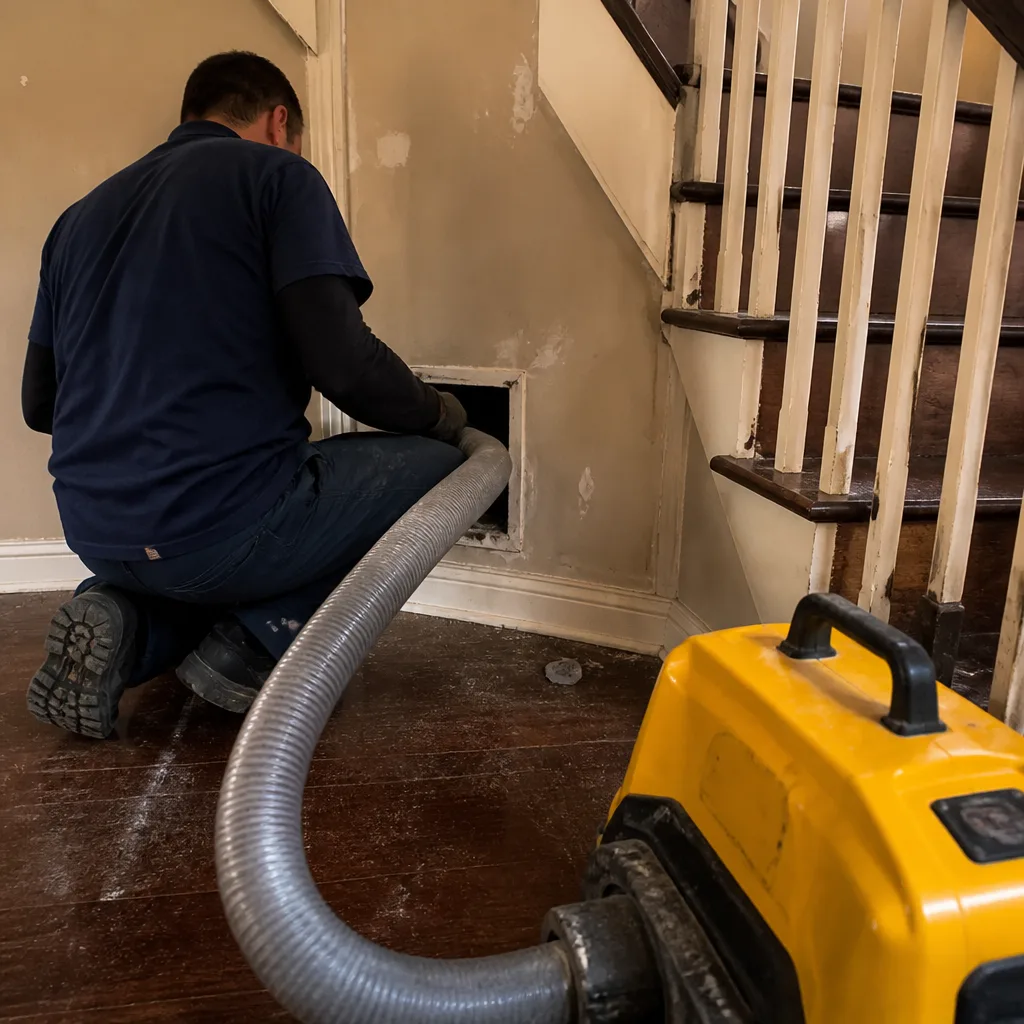
- Buying on a teaser price. A low coupon that becomes a large invoice once the technician’s on site is the industry’s bait-and-switch reputation. Ask for one flat price per system agreed before work starts, and for before-and-after photos of your own ducts.
See the difference
 Before
 After
 Before
 After
 Before
 After
When to Call a Professional
Call a professional when the diagnostic points to duct-side work beyond the register, or when you’d rather not crawl an attic to trace a flex run. Specific cases: a register with no airflow while neighbors are fine (a collapsed or disconnected run), persistent musty odors after cleaning (a moisture and microbial issue that needs sanitizing and a seal), dust streaks at joints (leaks to seal), and rising noise at a single vent without a visual cause (turbulence from a bad joint). Also call when the return grille feels weak and cleaning the filter didn’t change it. Air Duct Cleaning Bustleton offers free estimates in Bustleton – call (833) 509-5322. The local pro is licensed and insured as the state requires, and we can work with your insurer where relevant. We use professional-grade gear and give one flat price per system before work starts.
Frequently Asked Questions
Compare airflow across registers. If every register is weak, suspect equipment or the coil; if one or a few are weak while the rest are strong, the problem is duct-side, in that run or its connection. Take three readings: all weak, one weak, or return weak – each points to a different fix.
Because the smell is almost always moisture or mold near the air handler, not leftover dust. Duct cleaning removes debris but doesn’t dry a wet liner or kill mold. Find the moisture source, correct it, then treat the surface with air quality sanitizing. If the smell keeps coming back, that’s the signal.
You can clean a register and a boot, but a shop vac won’t reach the plenum, the coil, or the run behind drywall, and it doesn’t extract debris with controlled pressure the way a professional system does. For the hidden parts of the pathway, the job needs professional-grade extraction, not a shop vac.
Estimates are free and the price is set per job by a written estimate after a walkthrough, so there’s no fixed number before seeing the system. Ask for the estimate in writing and confirm it covers the whole system, not a per-vent count. Call (833) 509-5322 for a free estimate.
Low quotes are often per-vent prices or a teaser that grows once the technician is on site. The honest version is one flat price per system agreed before work starts, with before-and-after photos of your own ducts. If a quote is suspiciously low, ask what it actually covers.
Cleaning if the problem is debris and the tissue test is calm. Sealing if the symptom is dust streaks at joints or a room that never gets comfortable. Sanitizing if the symptom is a musty smell or visible mold near the handler. Many Bustleton visits combine all three; the walkthrough decides.
Ask for before-and-after photos of your own ducts, taken during the job, plus a written summary of what was cleaned and sealed. Photos of your vents, not stock images, are the simplest way to verify. We document the work that way, and the estimate is agreed in writing first.
It depends on the system and the home, not on a calendar. Homes with pets, recent renovations, or a system that’s never been cleaned usually need it sooner than a maintained one running with good filtration. Let the symptoms – dust, musty odor, uneven airflow – drive the timing, with a healthy filter and a clean return as maintenance between visits.
The Bottom Line
Air duct problems in Bustleton are usually duct-side and diagnosable. Map the system by register and return, grade airflow at each vent, run the tissue and decibel tests for turbulence, and separate a dirty coil from a blocked return from a collapsed run before deciding what to fix. Musty odors after cleaning mean moisture, not a failed cleaning; uneven airflow means a leak or a failed run, not a new blower. Once the picture is clear, the answer is cleaning, sealing, or sanitizing – often together. Treat the whole air pathway as one system and the fix gets simpler, not more expensive.
Call (833) 509-5322 for a free estimate. We answer 24/7. Fast dispatch from 7am to 7pm, Sunday through Friday. One flat price per system agreed before work starts, before-and-after photos of your own ducts, and a single appointment that can cover dryer vent cleaning, ducts, and sanitizing when the walkthrough calls for it.
Written by the team at Air Duct Cleaning Bustleton.