
Last updated November 25, 2026
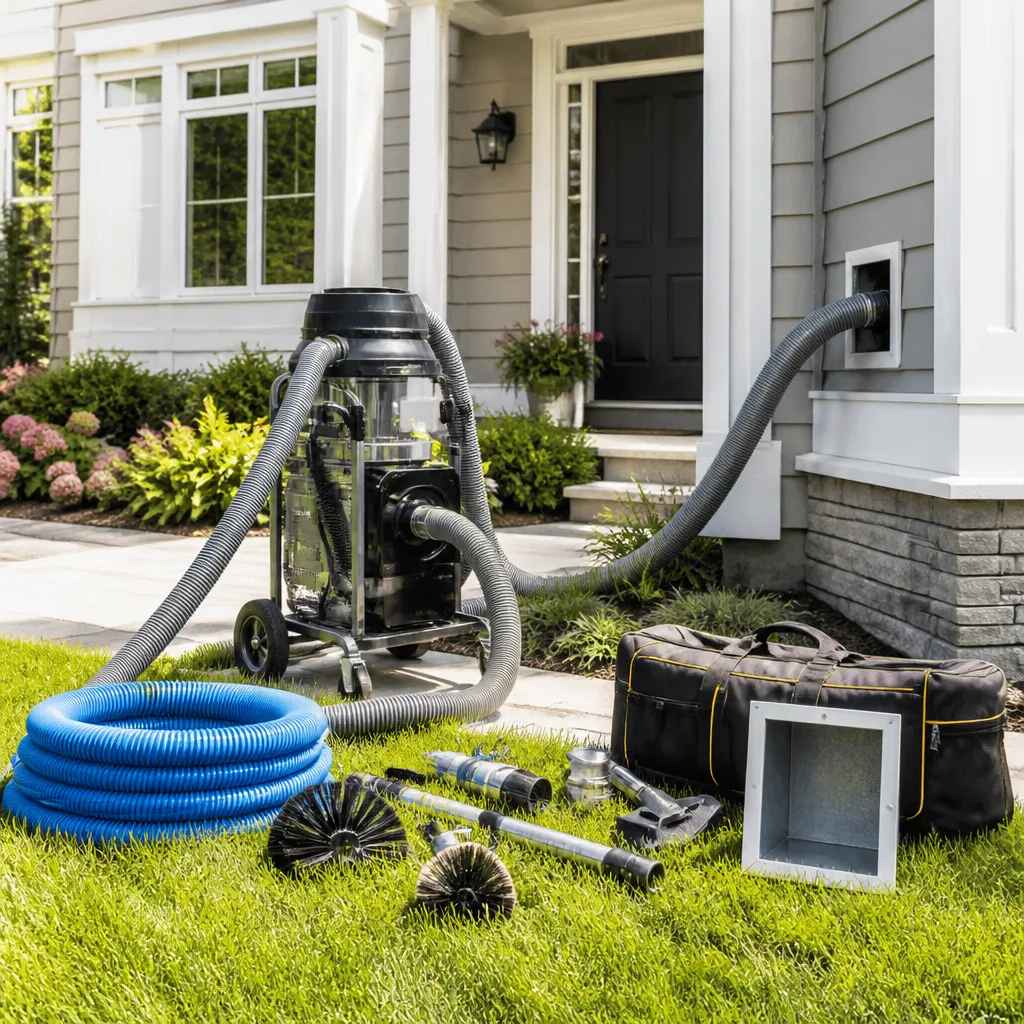 Whole-home duct cleaning
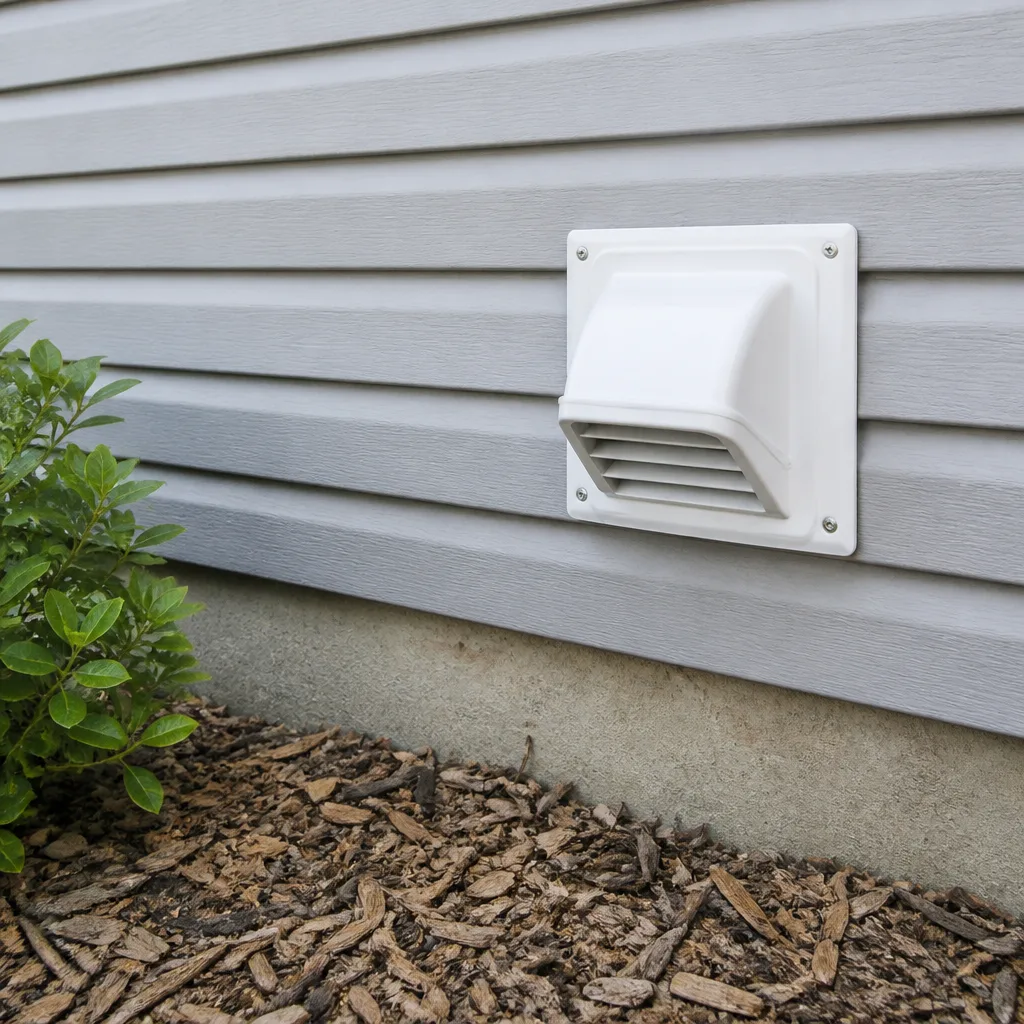 Dryer vent cleaning
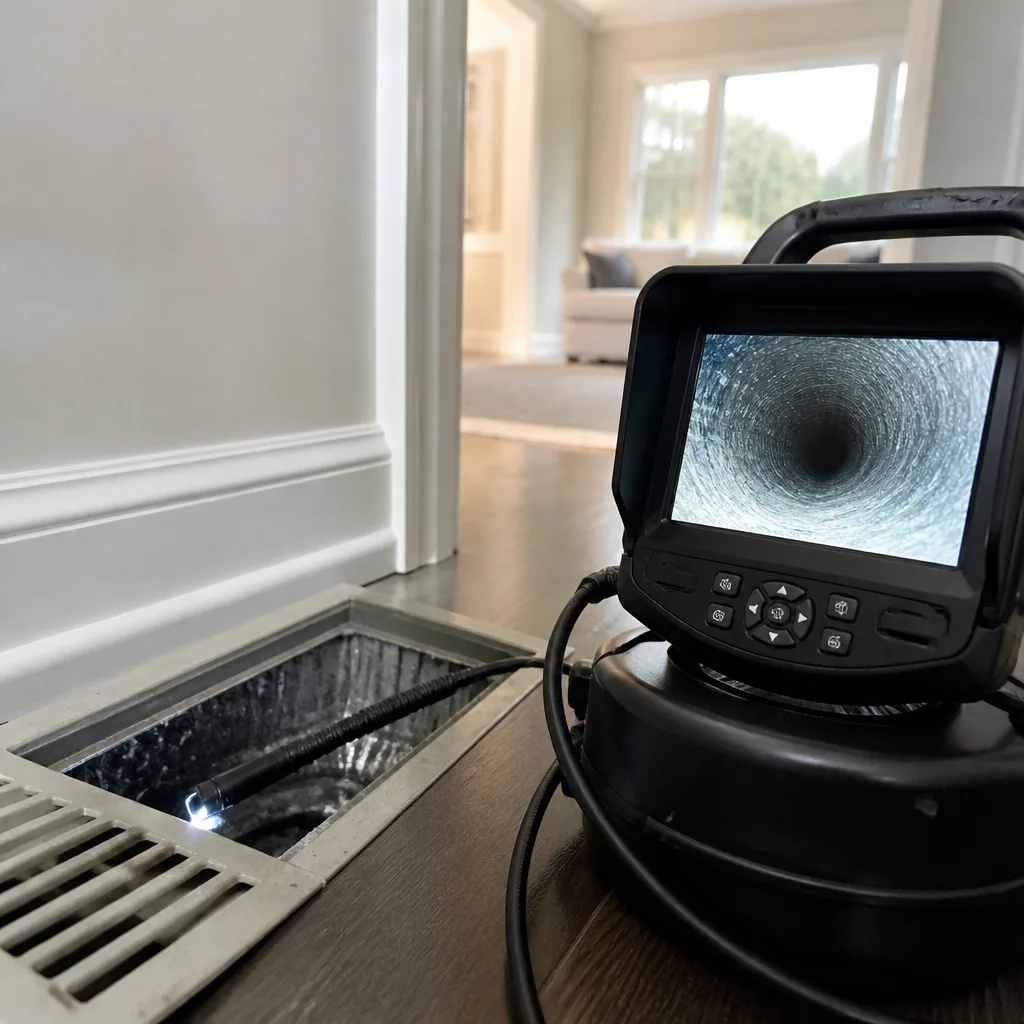 Camera inspection
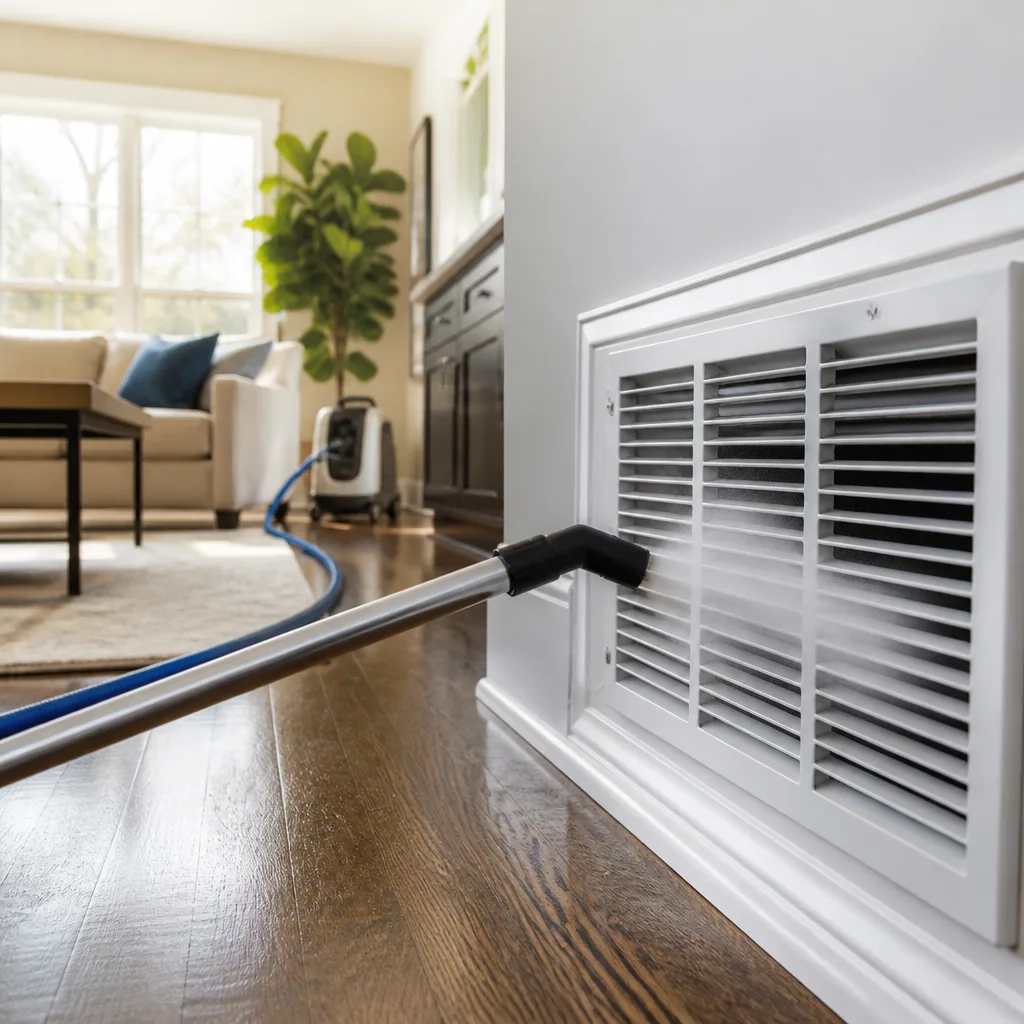 Sanitizing & deodorizing
Whole-system duct and dryer vent check with before-and-after photos - you see exactly what came out of your vents
That "$99 whole-house special" is a bait ad - the real number appears once they are in your hallway, or the "clean" is a shop-vac at the register. We photograph the inside of your ducts before and after instead.
Air Duct Cleaning Maintenance Checklist for Bustleton Homeowners
If you replaced your filter and scheduled a cleaning but skipped the dryer vent and the return air boot inspection, you’ve addressed maybe 60% of the contamination pathway in a typical Bustleton row home. The filter catches what’s already in motion. The rest settles in places nobody opens, and every time the blower spins up, some of it lifts back into the air you breathe. The checklist below treats duct cleaning as one node in a maintenance cycle rather than a one-time event, which is how you stretch the interval between full cleanings and cut down on HVAC repair calls. We’ll cover what to do monthly, quarterly, and yearly, how to read your return grilles, why your filter rating affects re-contamination speed, and how to document system condition so the schedule is driven by evidence instead of guesswork.
Quick Answer
A proper duct maintenance checklist for a Bustleton home covers four recurring tasks: monthly filter checks and return grille inspection, quarterly dryer vent lint removal, annual professional evaluation of the full air pathway, and continuous condition logging so you know when the next deep cleaning is actually due. Cleaning intervals should be set by debris evidence, not by calendar habit. Homes with pets, recent renovations, or long-standing filter neglect usually need the full treatment sooner than the two-to-five-year figure most sources repeat.
Styles & brands we work with
- Whole-home duct cleaning
- Dryer vent cleaning
- Camera inspection
- Sanitizing & deodorizing
Table of Contents
- How Often Should Air Ducts Be Cleaned in Bustleton?
- The Monthly Checklist: Filters, Grilles, and What You’re Looking For
- How to Inspect Return Air Grilles Yourself
- Filter MERV Ratings and the Re-Contamination Cycle
- Dryer Vent Cleaning as a Checklist Item
- Documenting System Condition Over Time
- The Annual Professional Evaluation
- Common Mistakes to Avoid
- When to Call a Professional
How Often Should Air Ducts Be Cleaned in Bustleton?
Most Bustleton homes fall into a two-to-five-year cleaning cycle, but that’s an average, not a rule. The honest answer is that the interval depends on what’s accumulating inside the system, and you can’t know that without looking. Homes that run continuously through Philadelphia’s humid summers and dry, dusty winters tend to accumulate a mix of fine particulates and biological growth that a mild climate wouldn’t produce at the same rate. Older housing stock along Bustleton’s main corridors often has original sheet metal ductwork with taped joints that have loosened over decades, letting attic and basement air into the path. That’s an infiltration problem as much as a dirt problem.
Here’s how we think about it, and how we’d suggest you do too:
- Every 2 years: homes with pets, anyone with diagnosed allergies or asthma, and homes where a renovation happened in the last 24 months.
- Every 3 years: typical occupied homes with regular filter changes and no pets.
- Every 5 years: second homes, low-occupancy properties, and homes with whole-house filtration already installed.
- Sooner than any of these: after visible mold, water intrusion, pest activity, or a dryer vent fire risk assessment that flags lint buildup.
Property managers in Bustleton should treat the interval as a line item in a turnover checklist rather than something tenants report. Tenant complaints about “dusty air” usually arrive two years after the evidence showed up in the return boots. For a fuller walkthrough of what a professional visit actually involves, our air duct cleaning page covers the equipment and the process step by step.
The Monthly Checklist: Filters, Grilles, and What You’re Looking For
Everything here takes about ten minutes and catches the problems that grow expensive if left alone. The monthly pass is the part of the cycle that actually determines how long you can go between professional cleanings – a well-maintained system can stretch from a two-year interval to four, while a neglected one will re-contaminate a freshly cleaned duct run in a single season.
- Pull the filter and hold it to a light. If you can’t see light through it in most spots, replace it. Note in your log whether it was grey (dust), dark (soot or smoke), or fuzzy (biological growth or pet hair).
- Remove each return air grille and look into the boot. The boot is the sheet metal elbow just behind the grille. A thin film of dust is normal. Coins, hair, insulation fibers, and dark staining are not.
- Check the supply registers for uneven airflow. Hold a tissue near each one. A register that’s clearly weaker than its neighbors usually means a disconnected or crushed run, not a duct that needs cleaning.
- Wipe the blower compartment access panel with a clean white cloth. Grey is dust. Brown or rust-colored is often moisture. Black flecks could be degraded insulation or, in a poorly sealed system, pest evidence.
- Look for dust shadows on the ceiling and walls near registers. Dark halos around a supply or return indicate air moving through a leak, not just through the grille.
- Log the date and observations. One line per month is enough, and it’s the foundation for the whole evidence-based schedule.
If anything you find in this pass surprises you – particularly insulation fibers or a persistent musty smell – call for an evaluation rather than waiting for the next scheduled cycle. Those two signals rarely resolve on their own.
How to Inspect Return Air Grilles Yourself
Return grilles are the single most informative diagnostic point in a residential duct system, and most homeowners never open them. The return side is where the blower draws air in, so anything loose in the house that lifts into the air gets pulled here first. What you find in the boot tells you what the rest of the system is carrying.
Here’s the pattern to look for, and what each one usually means:
- Uniform grey dust on the boot walls: normal filtration loading. Your filter is doing its job. No action beyond the regular cycle.
- Thick, felted dust matted against the grille face: filter is overdue or undersized for the household. Check MERV and replace more often.
- Fibrous material that looks like cotton: degraded duct liner or attic insulation being drawn into the system. This is a leak-and-repair situation, not a cleaning situation.
- Dark staining or mold-like growth on the boot: persistent moisture somewhere upstream. Get it diagnosed before you clean, or you’ll be cleaning the same growth out again in six months.
- Pest debris (droppings, nesting material): needs both a professional cleaning and a sealing inspection. Do not attempt to remove it yourself.
- Clean boot with visible gaps at the seams: the system is tight enough that dirt isn’t the problem, but air is escaping. Sealing this returns performance you’re already paying for.
One practical note specific to Bustleton: many of the older row homes and semi-detached houses here have return grilles that pull from hallways shared between floors. A single oversized return in a low-ceilinged hall can starve upper-floor returns, which produces uneven debris patterns upstairs. If you see this, it’s a duct design question rather than a cleaning one, and a technician should look at it. Our HVAC cleaning service covers the blower and evaporator coil side, where debris accumulates in parallel with the duct runs.
Filter MERV Ratings and the Re-Contamination Cycle
A higher MERV rating catches more particles, but it also changes how the whole system loads. This is the part of the checklist where the filter decision has downstream consequences most homeowners don’t anticipate. Move from a MERV 8 to a MERV 13 and you’ll capture significantly more fine particulate, including the airborne fraction that would otherwise settle into your ducts – but the filter will load faster, the pressure drop across it will increase, and if the system wasn’t designed for that restriction, the blower works harder and duct leakage becomes more consequential. The ducts get dirtier more slowly, but the system as a whole runs under more strain.
What we see in practice, and what we’d suggest as a working rule:
- MERV 8 to 11: the practical sweet spot for most Bustleton homes with standard filter racks. Good capture, low pressure drop, filter changes every 60 to 90 days.
- MERV 13 and above: worth it for allergy-sensitive households, but check that the filter rack and return duct sizing can handle it. Change more frequently, not less.
- MERV 16 or HEPA-style media: usually requires a dedicated filter cabinet and professional sizing. Retrofit without that analysis can strangle airflow to second-floor rooms in taller row homes.
- Washable or reusable filters: avoid in ducted systems. They don’t filter fine particles well, and they reintroduce moisture.
When you change MERV, write it down. The next cleaning interval should be adjusted to reflect the new capture rate, and that’s only possible if the log shows the change. Our team works with Honeywell and Aprilaire filtration products because they’re built to published pressure-drop specifications, so the sizing math is transparent rather than guesswork. If you’re changing filtration strategy, an experienced technician can measure static pressure before and after so the decision is based on numbers. Our technicians have up to 9 years of experience with residential duct and filtration work.
Dryer Vent Cleaning as a Checklist Item
Dryer vent lint accumulation lives in a separate mental category from duct maintenance for most homeowners – and that’s the problem. The dryer vent is the other half of the contamination pathway in a typical Bustleton house, and it’s the half with the fire risk. Lint is highly combustible, and a vent line that’s restricted by accumulated lint doesn’t just dry clothes slowly; it traps heat where the lint is sitting. Whether it’s the rigid metal line running through an interior wall or the flexible line to an exterior wall in a row home, the pattern is the same: gradual restriction, then heat build-up, then a risk that builds quietly until someone notices the dryer taking twice as long.
Your checklist entry for the dryer vent should include:
- Quarterly: pull the lint screen and clean it before every load (not quarterly – every load). Once a quarter, check the exterior vent flap while the dryer runs. It should open fully and swing freely.
- Every 6 to 12 months: disconnect the dryer and check the first few feet of the vent line for lint buildup at the connection and the first elbow.
- Every 12 months, or after 2 years of heavy use: full professional dryer vent cleaning. The interior of the line beyond the first elbow is not accessible to homeowner tools, and brushing a restricted line partway can compact lint rather than remove it.
- Ongoing: if drying times lengthen noticeably, or the dryer or vent hood feels hot to the touch after a normal cycle, stop using it and get the line checked before anything else.
Our dryer vent cleaning service uses Abatement Technologies equipment for contained debris extraction, so the lint being removed doesn’t end up in the laundry room air. Property managers in Bustleton should treat this as an annual line item on rental turnovers; it’s the single cheapest fire-risk reduction step in the checklist. We answer 24/7. Fast dispatch from 7am to 7pm, Sunday through Friday.
Documenting System Condition Over Time
The difference between an evidence-based cleaning schedule and a guess is a log. It doesn’t need to be elaborate – a notebook or a note on your phone is fine – but it needs a consistent format so that month three and month thirty can be compared. Here’s the format we’d suggest, and what each field is actually telling you:
- Date and season: season matters in Bustleton because the heating and cooling cycles load the system differently. Winter heating months show soot and dry dust; summer cooling months show higher humidity and more biological growth.
- Filter MERV and condition at change: grey vs. dark vs. fuzzy tells you which loading pathway is dominant.
- Return boot visual notes: one line per return, using consistent language (“thin film,” “matted,” “fibrous,” “clean”).
- Supply airflow observations: anything you noticed as weaker or stronger than usual.
- Dryer vent exterior flap behavior: opens fully, partially, or not at all.
- Any smells or symptoms: musty, dusty, chemical, or “nothing.” Symptom logging by date is what makes patterns visible.
After two years, look at the log as a whole. If the return boots stay clean for longer than six months between inspections, you can stretch your professional cleaning interval. If they start showing matted dust within four months, you’re past due. The log also gives a technician a baseline if something changes suddenly, which is more useful than an in-person walkthrough of a system that’s already been cleaned. And for property managers running several Bustleton units, a per-unit log is what turns “we think it was cleaned two years ago” into a defensible record of maintenance.
The Annual Professional Evaluation
Once a year, have someone with proper equipment walk the whole system – not just the duct runs. The goal of this visit is diagnostic, not necessarily cleaning, and a good technician will tell you honestly whether the system needs a full cleaning or just a check. At Air Duct Cleaning Bustleton, our evaluations use Rotobrush and Nikro systems – the same equipment brands used by professional remediation contractors – so the inspection is done with tools that can see into the run, not just through a grille.
Here’s what a proper annual evaluation covers:
- Full duct run inspection with a camera or powered agitation tool to see debris depth and distribution inside the branches, not just the trunk.
- Duct repair and sealing assessment at joints, boots, and connections – a walk-through that turns up loose seams is where the cleaning visit becomes a performance improvement. We repair what we find, which is not something a cleaning-only service can offer.
- Blower and evaporator coil condition check – the components that get overlooked when the focus is exclusively on ducts.
- Dryer vent inspection and cleaning if the log or the vent behavior indicates it.
- Air quality sanitizing assessment if the log shows recurring biological patterns, or if anyone in the home has respiratory sensitivities. This is a dedicated service step for us, not an upsell – the goal is built for air quality, not just air movement.
- Written observations that go into your log alongside your own notes.
One call covers the whole system – ducts, dryer vent, HVAC components, and sanitizing – so there’s no coordinating a second company for the coil cleaning or the vent line. For a walkthrough of what the full-system service includes, see the Air Duct Cleaning Bustleton overview, or reach out directly: Call (833) 509-5322. We answer 24/7. Fast dispatch from 7am to 7pm, Sunday through Friday.
Common Mistakes to Avoid
- Cleaning without addressing leaks. A freshly cleaned duct system with loose joints re-contaminates in months, not years. Sealing is part of the job, not an add-on, and a company without that capability will leave you with a clean system that won’t stay clean. Bustleton’s older housing stock has plenty of taped joints that have given up.
- Skipping the dryer vent because it’s “not part of the ducts.” It is part of the same air pathway in your house, it’s the half with the fire risk, and it costs a fraction of a full duct cleaning to address. Treating it as separate is how it goes unchecked for years.
- Changing MERV ratings without thinking about pressure drop. A tighter filter captures more, but it also changes how the blower loads. Without checking static pressure, a MERV upgrade can create more problems than it solves, especially in taller Bustleton row homes with long return runs.
- Trusting a quote that doesn’t include an inspection. If a company gives you a price without opening a return boot or running a camera into the trunk, the price is a guess. A legitimate estimate is based on what’s actually in the system, not on square footage and a per-vent count.
- Ignoring dust shadows on walls and ceilings. Those halos around the registers are one of the clearest signals of duct leakage, and they’ll persist long after a cleaning if the leak isn’t sealed.
- Using a shop vac on return boots. Consumer vacuums don’t have the filtration or containment to handle what’s in a duct system, and they redistribute fine particulate back into the room. Professional equipment, specifically tools like Abatement Technologies units, exists because of that gap.
- Cleaning on a calendar rather than a log. A two-year interval is a reasonable default, but if your log says the boots stay clean for twelve months and your neighbor’s says four, you’re on different schedules. Data beats habit.
When to Call a Professional
Some situations justify a professional visit outside the annual cycle. Call us if you find visible mold or persistent dark staining anywhere in the duct path, if the return boots surface fibrous material that looks like insulation, if pest activity has been confirmed in the system, or if a renovation has finished in the last six months and you’re noticing dust patterns that didn’t exist before. We’d also encourage a call after any water intrusion event near the air handler, and if the annual log shows re-contamination at an accelerating pace. Air Duct Cleaning Bustleton offers free estimates in Bustleton – call (833) 509-5322. The estimate is free, the price is set per job by the written estimate, and the local pro we connect you with is licensed and insured as their state requires. We answer 24/7. Fast dispatch from 7am to 7pm, Sunday through Friday.
See the difference
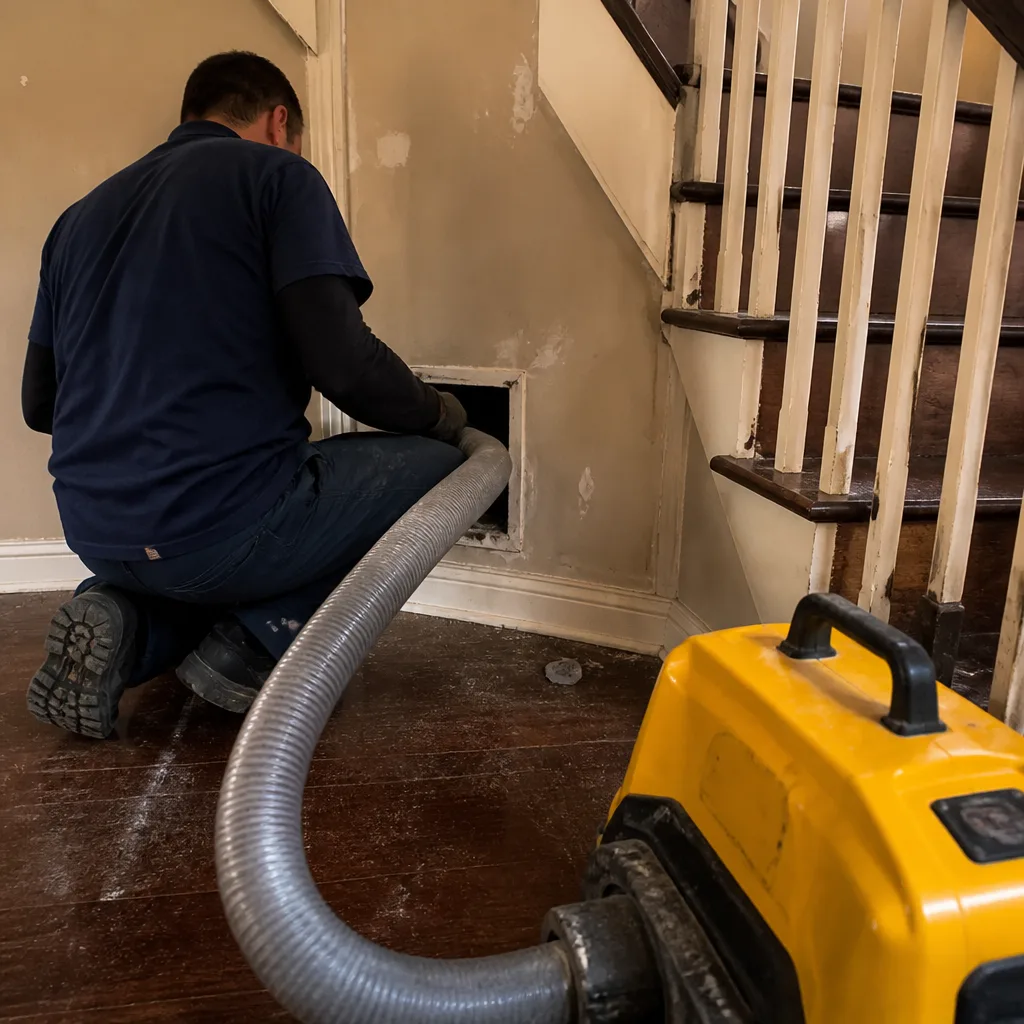 Before
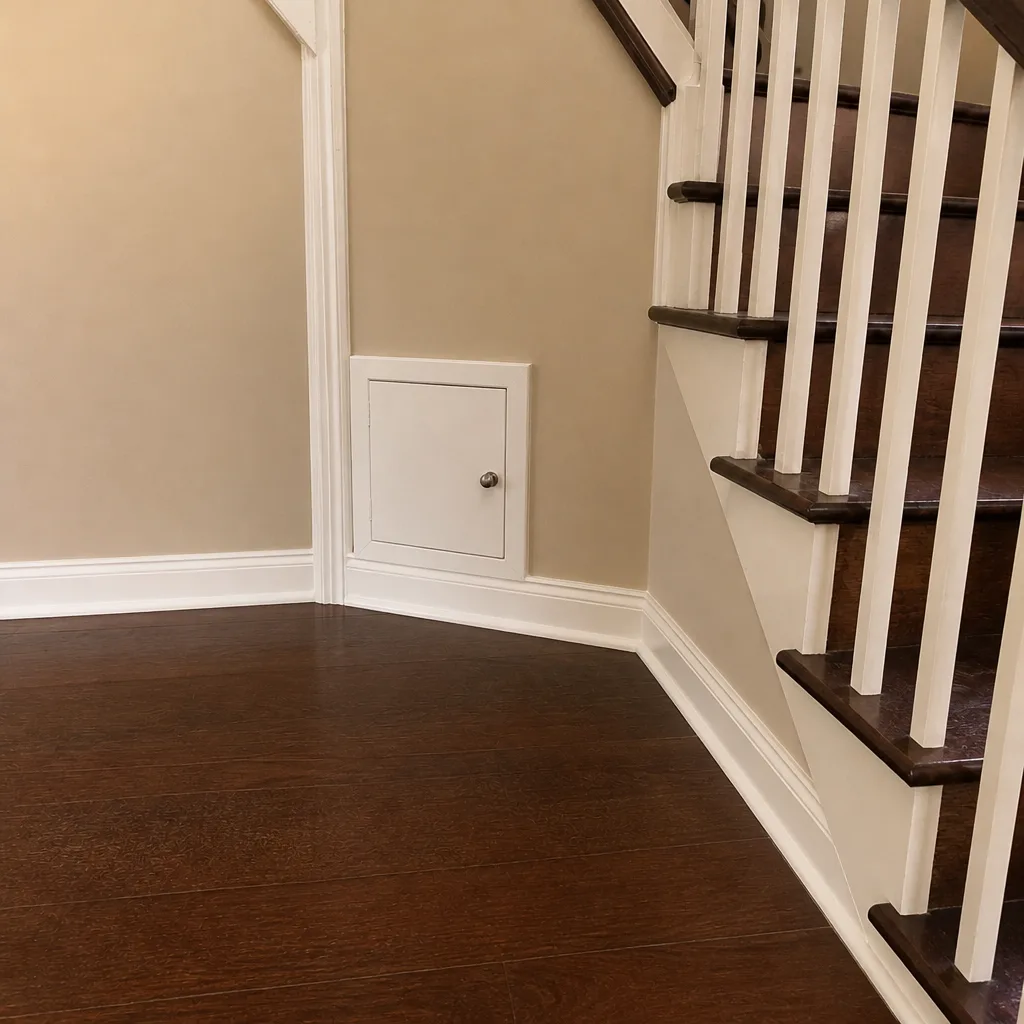 After
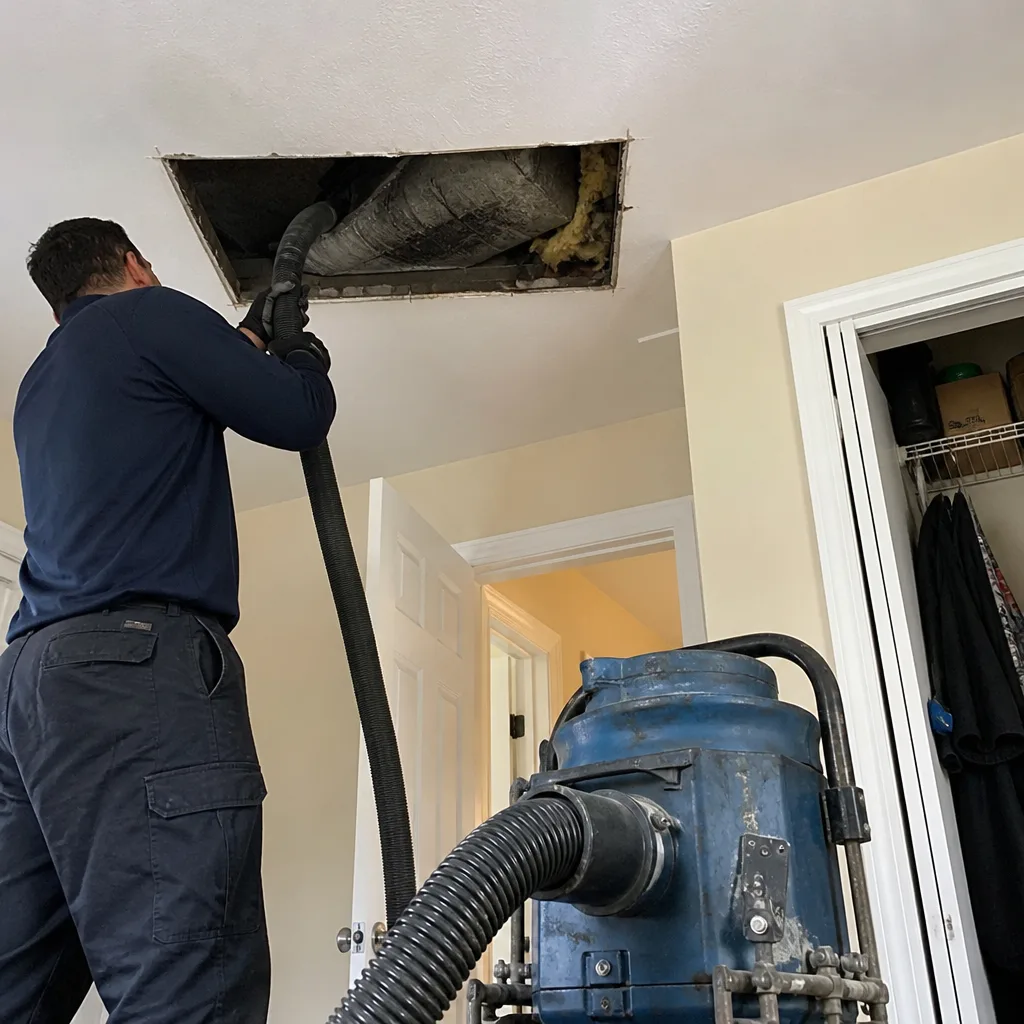 Before
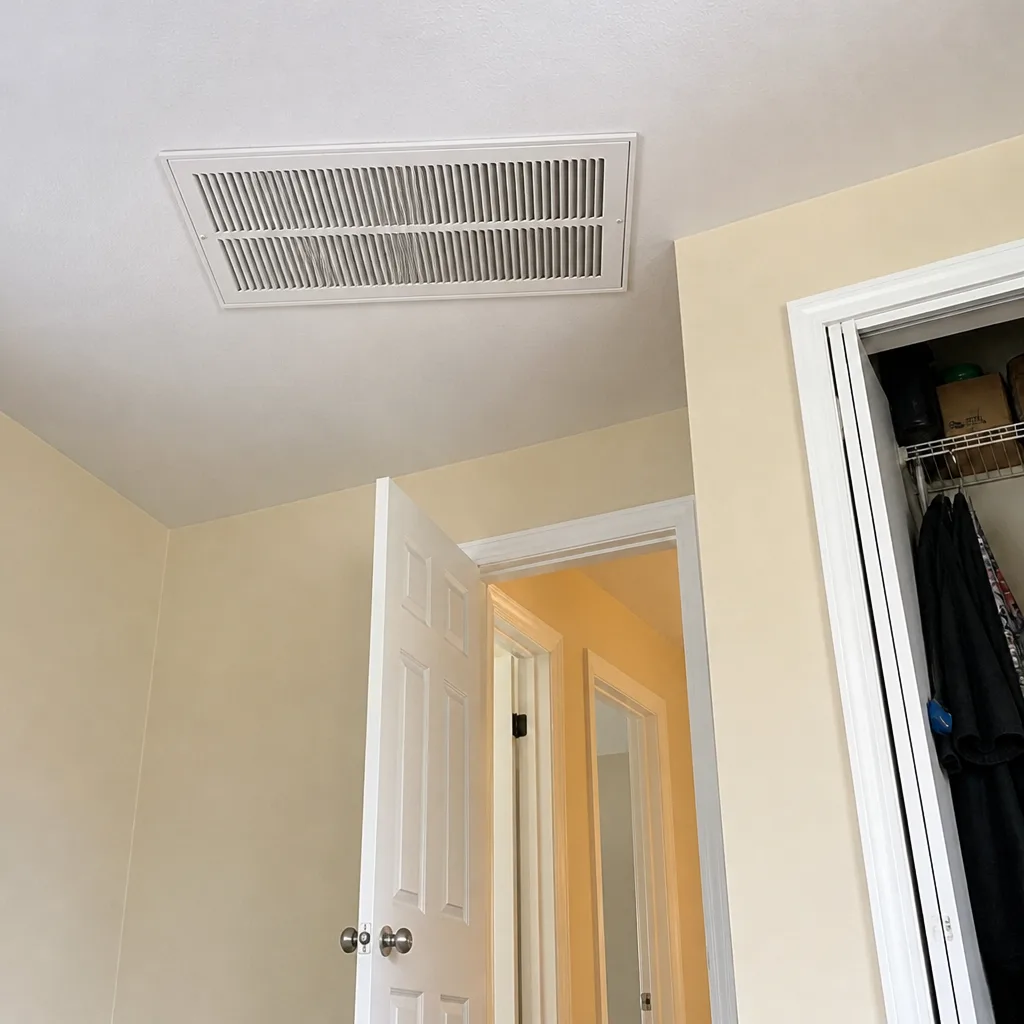 After
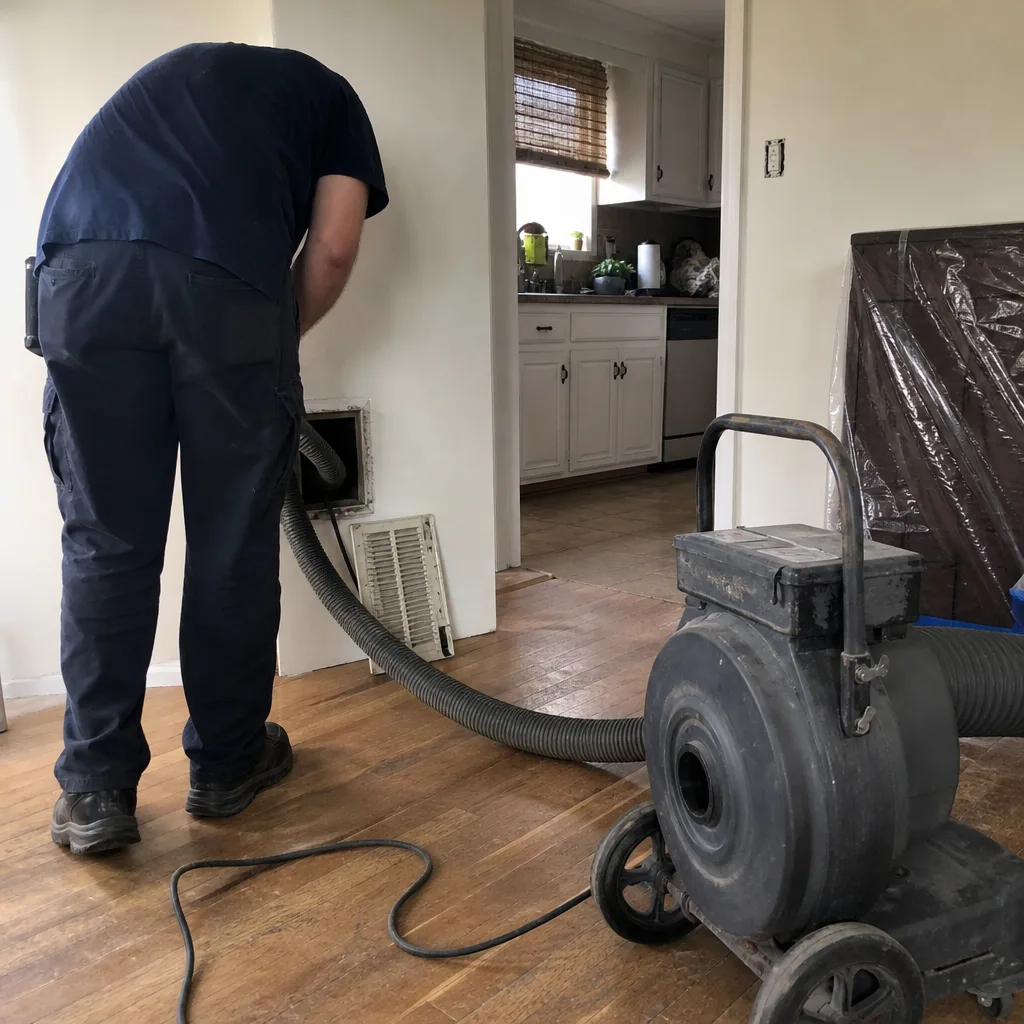 Before
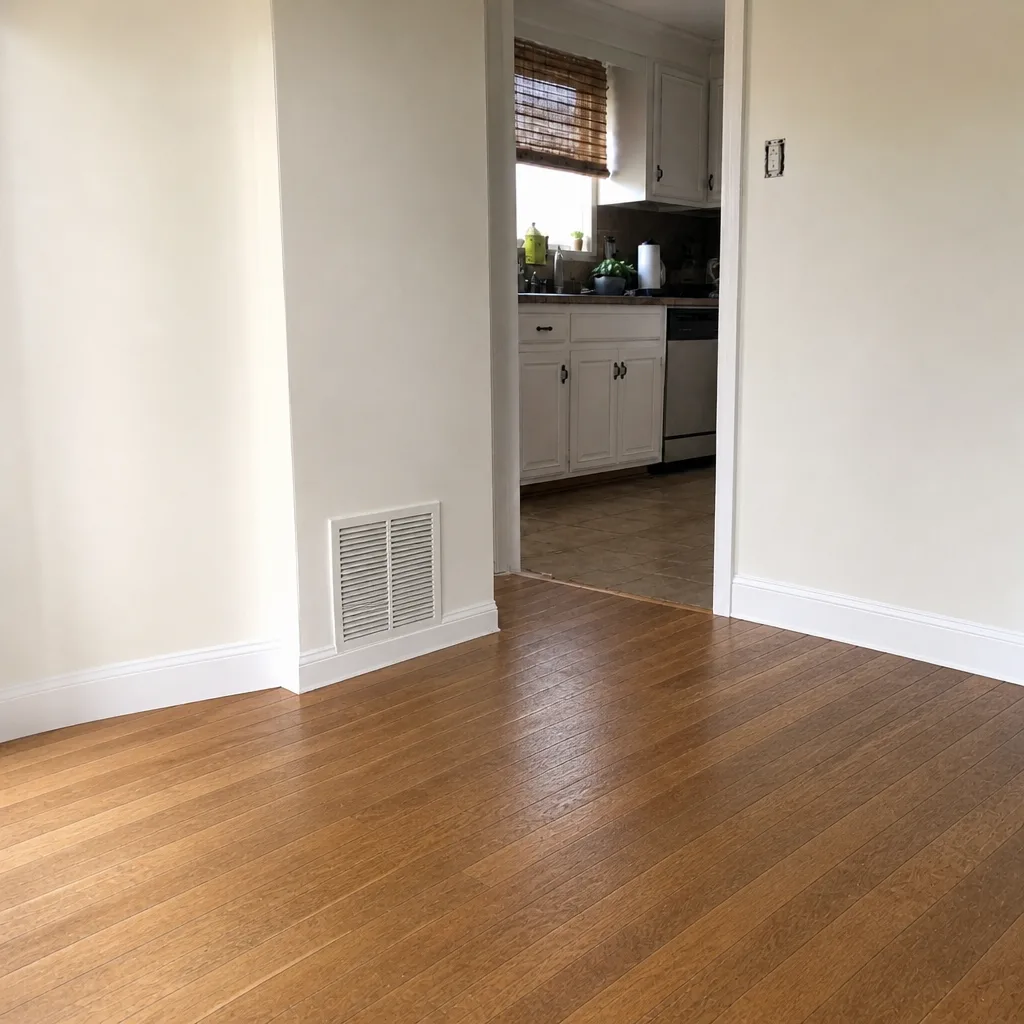 After
Frequently Asked Questions
Whole-system air duct cleaning in Bustleton typically falls in the $450 to $900 range for a standard single-family home, with larger properties, more complex duct layouts, or homes needing duct repair and sealing work coming in above that. Dryer vent cleaning and air quality sanitizing are priced separately because they’re separate service lines, and the written estimate sets the final price. Call (833) 509-5322 for an exact quote – estimates are free.
The cheapest quotes are almost always priced per vent with a low headline number that grows once the technician is on site – or they’re a $99 special that covers a superficial brush-out of the trunk line without touching the branches. A legitimate estimate is a single flat price per system, agreed before work begins, based on an actual inspection. If a company can’t or won’t do that, the price is not a price. Call (833) 509-5322 for a written estimate – estimates are free.
Ask for before-and-after photos of your own ducts. Any company equipped to do the job properly can produce them, and a company that can’t is telling you something. At Air Duct Cleaning Bustleton, the before-and-after photos of your system are part of how we report the work, alongside the written log entries that go into your maintenance record. Call (833) 509-5322 to schedule an evaluation – estimates are free.
For most Bustleton homes, every two to five years, with the interval widening or narrowing based on the log evidence from your monthly and annual inspections. Homes with pets, recent renovations, or anyone with respiratory concerns lean toward the shorter end. Call (833) 509-5322 if you want help setting an interval for your specific system – estimates are free.
It can, but the effect depends on whether the cleaning includes sealing and sanitizing. Removing accumulated debris reduces the reservoir of particulate that can lift into the air with each blower cycle. Sanitizing addresses biological growth that a mechanical cleaning alone won’t fully resolve, and sealing stops new debris from entering through leaky joints. All three are separate steps under one service visit at Air Duct Cleaning Bustleton, which is why we can address the pathway end to end rather than just the visible dust. Call (833) 509-5322 to discuss what your system needs – estimates are free.
No – not at professional depth, and not safely for anything beyond the grille face. Consumer shop vacs lack the containment to handle fine particulate without redistributing it, and the branches beyond the boot are inaccessible without powered agitation tools. The parts of the checklist you can and should own are the monthly inspections, filter changes, and log keeping. The cleaning itself needs professional-grade equipment. Call (833) 509-5322 to schedule a professional evaluation – estimates are free.
The Bottom Line
Duct maintenance in Bustleton is a cycle, not a single appointment. Monthly filter and grille checks catch loading changes before they become re-contamination. Quarterly dryer vent checks and annual professional evaluations keep the other half of the pathway in view. The log you keep turns the whole thing from a guess into a schedule driven by evidence. If the evidence says your system is due, or if anything in this checklist turned up a signal you’re not sure about, that’s the moment to get a professional assessment. Professional-grade equipment, a written estimate, and before-and-after photos are what a legitimate visit looks like.
Call (833) 509-5322 for a free estimate. We answer 24/7. Fast dispatch from 7am to 7pm, Sunday through Friday. Closed Saturday.
Written by the team at Air Duct Cleaning Bustleton.