
Last updated November 25, 2026
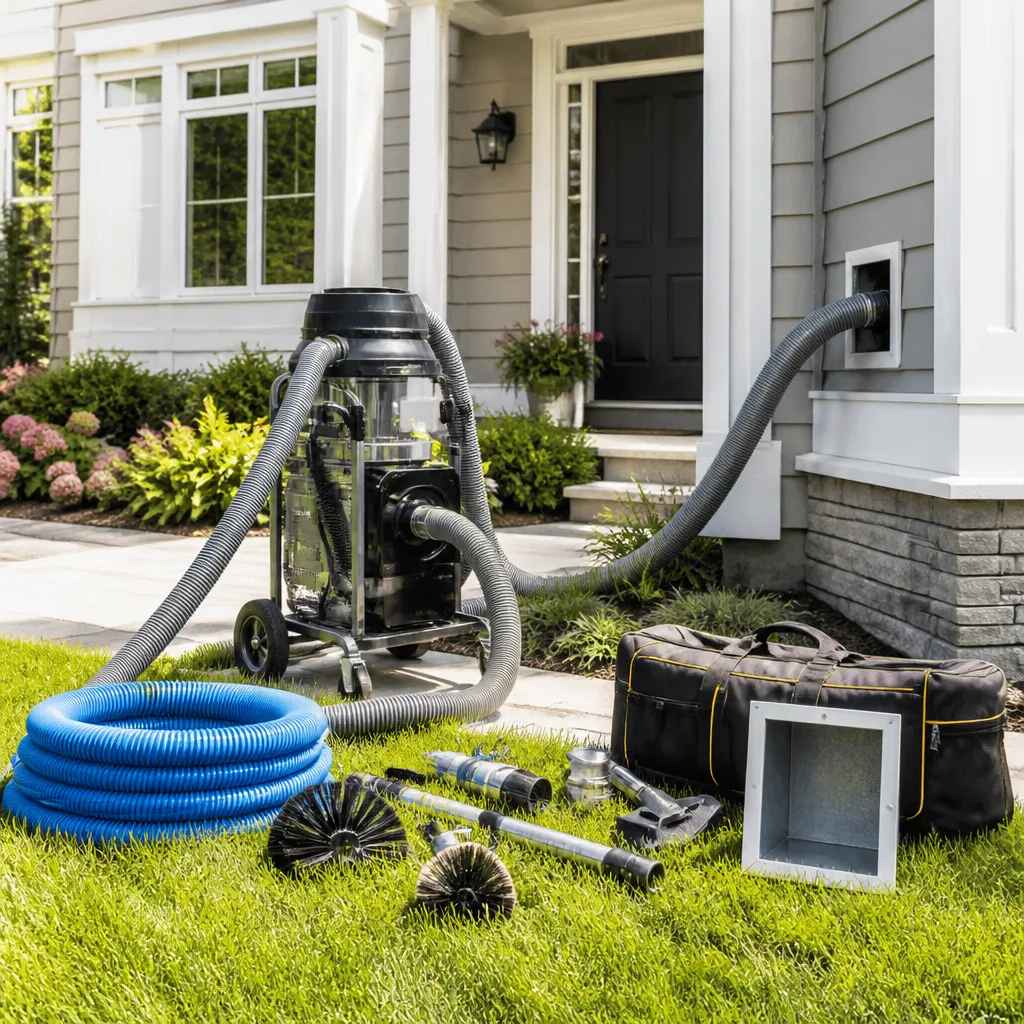 Whole-home duct cleaning
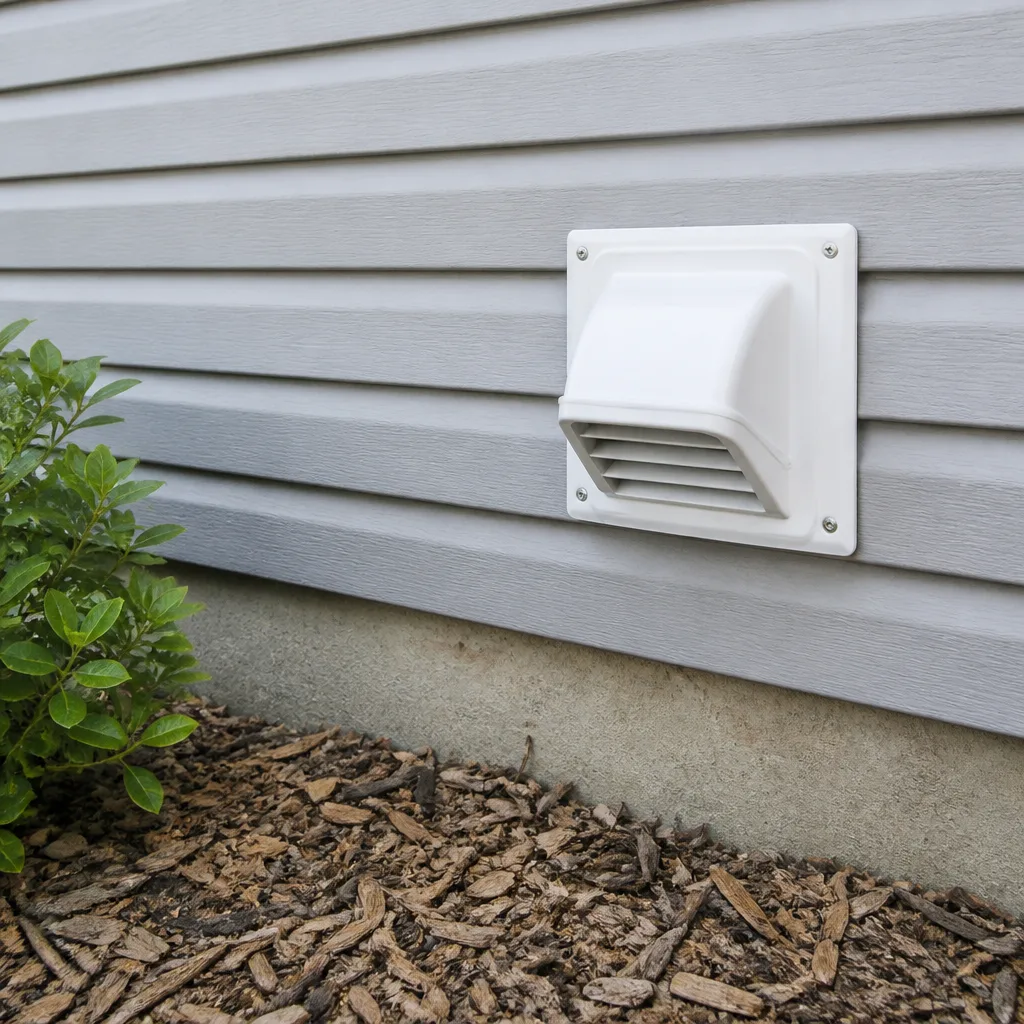 Dryer vent cleaning
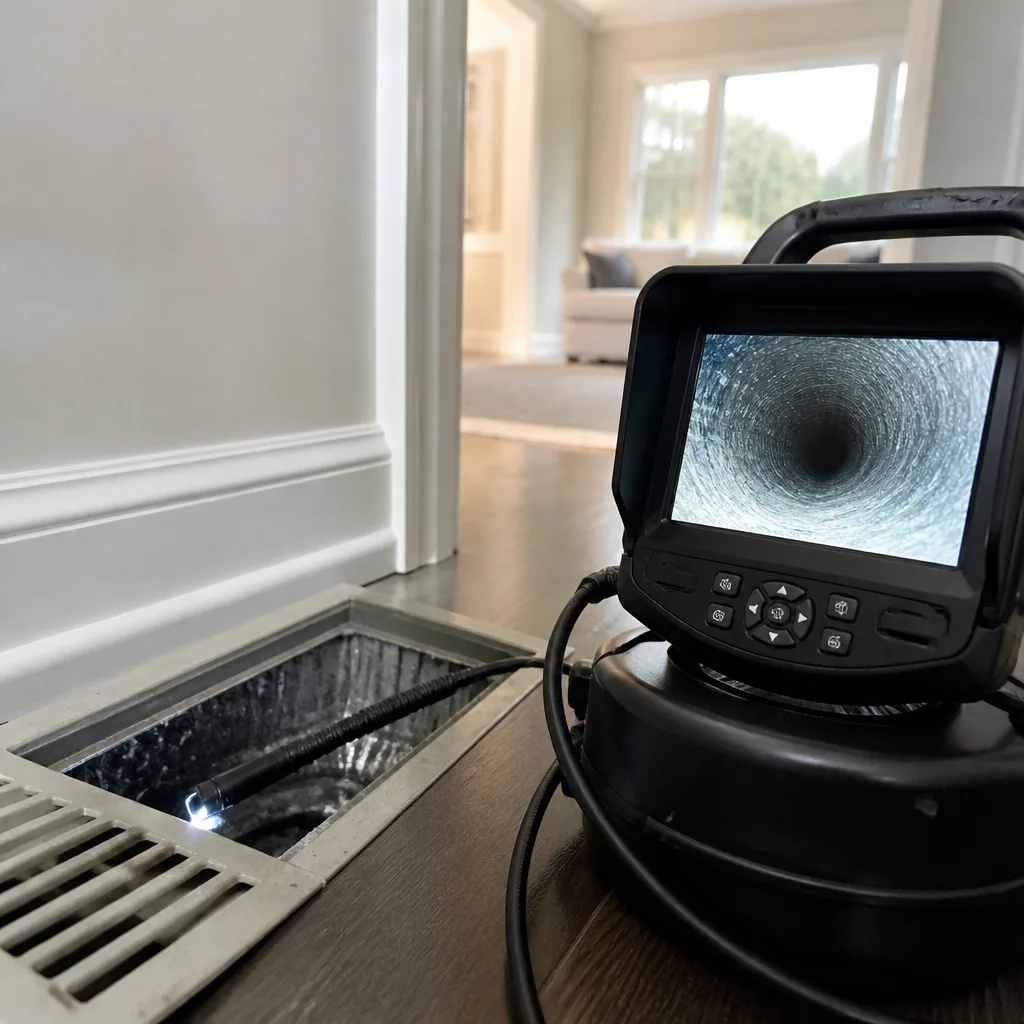 Camera inspection
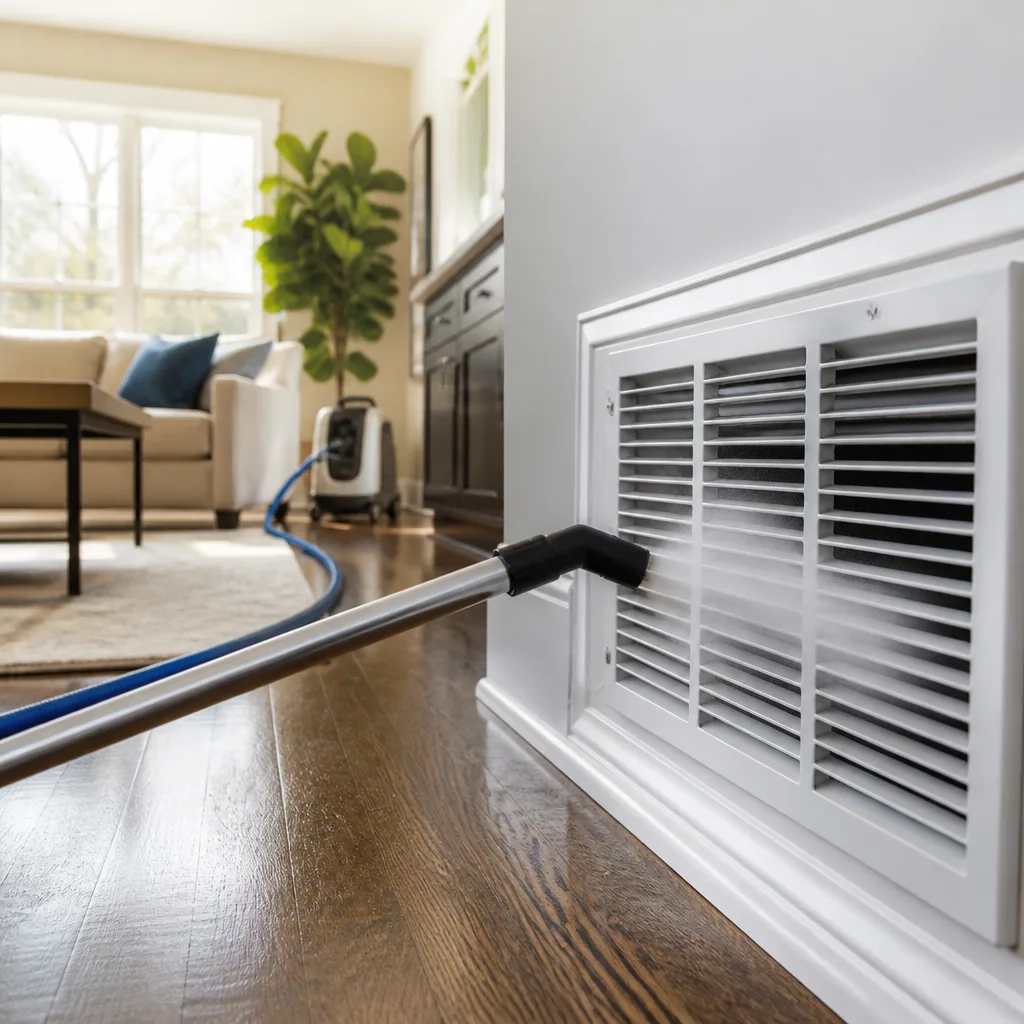 Sanitizing & deodorizing
Whole-system duct and dryer vent check with before-and-after photos - you see exactly what came out of your vents
That "$99 whole-house special" is a bait ad - the real number appears once they are in your hallway, or the "clean" is a shop-vac at the register. We photograph the inside of your ducts before and after instead.
Air Duct Cleaning Cost Breakdown: The Bustleton Homeowner’s Reference for 2026
A $149 whole-house duct cleaning and a $650 whole-house duct cleaning in Bustleton are not the same service with a different markup. They’re physically different procedures performed with different equipment, and the gap between those two numbers tells you almost nothing until you know which procedure each quote actually describes. That’s the trap most homeowners fall into: comparing headline prices from operators doing entirely different scopes of work. This reference breaks down what drives duct cleaning cost in Bustleton, from equipment and accessibility to contamination severity, so you can read a quote for what it really includes and decide with actual information instead of a coupon.
Quick Answer
Air duct cleaning in Bustleton typically runs about $300 to $750 for a standard single-family home, and $700 to $1,200 or more when the system is large, heavily contaminated, or needs duct repair and sealing alongside the clean. The number that lands on a $149 coupon usually describes a lighter procedure with portable equipment and limited vent work, not the same job at a discount. The written estimate, based on the actual system, sets the final price.
Styles & brands we work with
- Whole-home duct cleaning
- Dryer vent cleaning
- Camera inspection
- Sanitizing & deodorizing
Table of Contents
- Why a $149 Quote and a $650 Quote Are Different Jobs
- Per-Vent Pricing vs. Flat-Rate Pricing: What Each Model Rewards
- Equipment Cost and the Real Pricing Floor
- Line-by-Line: What a Full-System Cleaning Covers
- What Legitimately Raises the Price in Bustleton
- How to Compare Quotes by Scope, Not Price
- Common Mistakes to Avoid
- When to Call a Professional
- Frequently Asked Questions
- The Bottom Line
Why a $149 Quote and a $650 Quote Are Different Jobs
When two duct cleaning quotes land on opposite ends of the spectrum, the first thing to understand is that they aren’t describing the same work. A low headline price typically covers a surface pass: running a portable vacuum hose over the registers and pulling some debris from the visible supply runs. A full-system clean touches the entire air pathway, including main trunks, branch lines, returns, the plenum, and the air handler cabinet where debris tends to collect.
The word “clean” is doing a lot of heavy lifting in the industry. Some operators define it as “we vacuumed what you can see.” Others define it as “we extracted debris from the full mechanical system under controlled conditions and documented it.” Those are not the same product.
Here in Bustleton, the housing stock makes this distinction matter. The area has a mix of older rowhomes and postwar single-family houses, many with original forced-air layouts and low-boy basement furnaces. Those systems were laid out decades ago with the duct routing the builder chose, and they often have longer branch runs and tighter clearances than what gets installed today. A cleaning that only reaches the registers may leave most of that trunkline untouched.
Rotobrush and Nikro equipment is built for the full-job interpretation: rotary brush heads drive the length of the duct off contact with the walls, and high-powered vacuum extraction pulls the loosened material back to the machine. Portable consumer rentals and small shop vacuums don’t do that. That’s the first reason a price gap exists, and it’s the reason to read the scope before the number.
Per-Vent Pricing vs. Flat-Rate Pricing: What Each Model Rewards
Duct cleaners price in two basic ways: per vent (each register or return costs a set amount) and per system (one price for the whole job). Both models can produce honest work. But each one creates a different incentive, and knowing which incentive you’re dealing with tells you a lot about how the job will go.
Per-Vent Pricing
- The contractor is paid for each register touched. That means there’s a financial reason to count every vent, including the ones tucked in a closet or behind furniture.
- The count is the sale. A larger home with more vents gets a larger bill, even if the ducting was recently cleaned or barely used.
- The incentive flips on the back end. Once a low teaser “per vent” number gets the contract signed, the real total often grows with add-ons: sanitizing, truck-mount upgrade, filter replacement, dryer vent as a separate line. This is where the reputation for bait-and-switch comes from.
- Vent count is easy to quote over the phone and easy for a marketer to turn into an ad. It’s also easy to underestimate what the work actually involves.
Flat-Rate Pricing
- One price for the whole system. The contractor has already committed to a scope, so there’s no incentive to skip vents to save labor.
- The price is set by the estimate visit, not a phone call. That means a real assessment of system size, contamination level, and accessibility before the number is written down.
- Add-ons are quoted up front, not discovered on-site. Dryer vent cleaning, sanitizing, and duct repair are priced separately and agreed before the work starts.
We price per system because it removes the incentive to trim the scope. In a Bustleton rowhome with twelve registers and a tight basement layout, a per-vent quote can look cheap right up until the technician recounts on arrival and the invoice doubles. A flat rate agreed before work starts is the answer to that exact fear.
Equipment Cost and the Real Pricing Floor
There’s a pricing floor in this trade, and it’s set by equipment. A negative-pressure truck-mount system (the machines that run off a dedicated engine and pull the whole system under vacuum while feeding a rotary brush or air whip through the ducts) is a substantial capital investment. So is the contained extraction equipment that professional remediation contractors use: HEPA filtration, containment, controlled debris removal. Abatement Technologies equipment, which we run on jobs, sits in that category. Repairing and maintaining that iron is a recurring cost that doesn’t disappear between jobs.
Compare that with the $149 operation: a shop vacuum, a pressure hose, maybe a portable unit pulled from a van. The equipment ceiling is low, so the labor price can be low. But so is the work.
What the Equipment Difference Actually Means for the Job
- Negative pressure keeps the debris moving toward the machine. Without it, some of what gets loosened ends up back in the living space.
- Rotary agitation reaches the full duct surface. A hose alone relies on airflow to dislodge dirt that’s adhered to the walls.
- Containment protects the home. Professional extraction equipment is built to keep the work area under control, not to create a visible mess that gets cleaned up afterward.
- Before-and-after photos are only meaningful if the equipment actually changed the interior of the duct. A brush and vacuum pass shows real results; a puff of air does not.
This is the floor that justifies a higher price. A quote below the cost of running professional equipment for a few hours is a quote for a different procedure. That’s not a knock on the operator; it’s just the reality of what the number describes.
Line-by-Line: What a Full-System Cleaning Covers
Here’s the breakdown of the pieces a quote should address, with typical Bustleton-area estimates for each. These are ranges, and the written estimate is what sets the final price. Line items should appear in writing so you know what you’re paying for.
| Line Item | What It Covers | Typical Estimate |
|---|---|---|
| Main trunks | The large central runs that carry air from the air handler | Included in base system price |
| Branch lines | The smaller runs feeding each room | Included in base system price |
| Registers and returns | Grilles, boots, and return chases | Included in base system price |
| Plenum and air handler cabinet | The central connection and blower cabinet | Included in base system price |
| Full standard system clean | All of the above, single-family home | $300 to $750 |
| Large or heavily contaminated system | Longer runs, deeper debris, multi-system home | $700 to $1,200 or more |
| Dryer vent cleaning add-on | Lint extraction from dryer to exterior termination | $100 to $200 |
| Sanitizing application | Antimicrobial or allergen-focused treatment after the clean | $100 to $250 |
| Duct repair and sealing | Sealing leaks and reconnecting separated runs identified during inspection | Quoted on-site based on findings |
Note what’s not on this list: separate charges for each vent, “truck-mount upgrade” fees quoted mid-job, or a fee to inspect. A full-system cleaning should be described in one paragraph, not discovered in pieces from the technician’s clipboard.
If you want the fuller explanation of what the process itself involves, the air duct cleaning page walks through the mechanical steps from setup to extraction to verification.
What Legitimately Raises the Price in Bustleton
Not every higher quote is padding, and not every lower quote is a scam. There are real variables that make one Bustleton home cost more to clean than another, and they should show up in the estimate.
System Size
A two-story single-family house with a large main trunk and twenty registers is a longer job than a compact rowhome with a dozen. Longer runs mean more duct footage to brush and more extraction time. Multi-zone systems with separate trunks off a zoned air handler cost more again, because each zone is its own branch network. If a contractor quotes the same number for a 900-square-foot rowhome and a 3,000-square-foot house without visiting, they’re not pricing the job; they’re pricing the ad.
Accessibility
Sometimes there’s a duct run behind a finished basement ceiling, or a return chase in a wall with no cleanout. Access panels may need to be cut, or the run may need to be worked from a different angle. Tight basement layouts and low crawlspace clearances slow the job down, and that time is real. Accessibility issues are exactly the kind of thing a phone quote can’t see and an estimate visit can.
Contamination Severity
A system that has never been cleaned in a Bustleton home that’s been through several renovations will take longer than one that’s been maintained. Construction dust, drywall residue, pet hair, and heavy dust loading all extend extraction time. The debris volume also affects how often the extraction containment needs to be emptied. A good estimator will look inside the plenum and a sample branch before quoting.
Sanitizer Application
A literal clean removes debris but doesn’t address the microbial side of the system. Sanitizing is a separate step: an EPA-registered antimicrobial applied after the mechanical clean, primarily for homeowners dealing with recurring odors, allergy triggers, or moisture-related concerns. It’s not always necessary, and it shouldn’t be a hard-sell tacked onto every job. It’s there when the condition calls for it.
Duct Repair and Sealing
Older Bustleton homes often have ductwork that’s separated at a joint or has visible gaps at the boot connections. Leaks mean the clean doesn’t hold and the system loses efficiency. Repair and sealing is quoted based on what’s found during the clean, not guessed at beforehand. This is a service many duct-cleaning-only operators don’t offer, which means the homeowner ends up calling a second company to finish the job.
How to Compare Quotes by Scope, Not Price
Once you have three or four quotes, the wrong way to decide is to sort by the bottom-line number. The right way is to compare what’s inside each quote against the same scope checklist. Here’s a numbered framework you can use line by line.
- Ask what the quote includes in terms of ductwork. Trunks, branches, returns, and plenum all named? If a quote only mentions “vents,” it likely only describes register-level work.
- Ask what equipment will be used. A named professional system (Rotobrush, Nikro, or a negative-pressure truck-mount) is a different tier than a portable unit. The name matters because it tells you the caliber of the clean.
- Ask whether containment is part of the job. A clean that doesn’t control debris in the living space is a clean that leaves the problem behind.
- Ask if the price is per system or per vent. Per-system price with a defined scope is what you want. If it’s per-vent, ask what the total will be for your register count, in writing.
- Ask what happens if the technician finds a leak, a separated joint, or a disconnected run. A quote for clean-only is fine if the price for repair is clearly explained. A quote that says “we’ll figure it out on-site” is not a quote.
- Ask for before-and-after photos of your own system. Not stock photos, not a video from another job. Your ducts. That’s the proof of work that matters.
- Ask what happens if you’re not satisfied. A written guarantee that specifies what’s covered is different from a “100% satisfaction” slogan.
Score each quote against those seven points before you look at the total. A quote that answers all seven is worth serious consideration even if it’s not the cheapest. A quote that dodges three or four is worth less than its price suggests.
If the quote also includes dryer vent work, that page covers the process in detail: dryer vent cleaning. In Bustleton homes where the dryer shares a wall with an exterior laundry room, the vent run is often shorter than expected, which can affect both cleaning time and lint accumulation patterns.
Common Mistakes to Avoid
- Booking off a coupon price without confirming the scope in writing. A $149 headline isn’t a quote for a full-system clean, and the difference between the two becomes a conversation you don’t want to have with a technician already in your basement. Get the scope in writing before you book.
- Ignoring the air handler and plenum because they aren’t visible. Debris collects where the air changes direction, and that’s typically the plenum and cabinet. A clean that stops at the registers leaves the densest loading untouched.
- Skipping the estimate visit for a smaller, older home. Bustleton rowhomes and postwar houses often have original ductwork with access quirks that change the price. An estimate visit catches those; a phone quote can’t.
- Booking only the ducts and putting off the dryer vent. The dryer vent is part of the same air-handling story. Lint buildup is an airflow restriction in the laundry room, and addressing it is a straightforward add-on during the same visit.
- Treating sanitizing as an automatic upsell or an automatic skip. It’s neither. It’s a step worth considering if there are recurring odors, moisture, or allergy concerns, and worth skipping if the system is clean and odor-free.
- Assuming a leak will announce itself. Duct leaks don’t usually make noise. They show up as uneven heating between rooms or a system that runs longer than expected. Asking the technician to check for leaks during the clean is the practical move.
- Comparing quotes without comparing equipment. A quote from an operator running Rotobrush or Nikro is not the same product as a quote from an operator with a shop vac, even when the line-item descriptions look similar.
When to Call a Professional
Some situations call for a professional clean rather than a wait-and-see approach. If anyone in the household is dealing with allergy-type symptoms that seem tied to indoor air, or if the system has never been cleaned and the home has been through recent renovation work, it’s worth an inspection. Persistent musty odors from the registers, visible dust puffing out when the blower kicks on, or clear debris accumulation around the plenum are all signs the system is due. Ductwork that’s separated, rattling, or producing uneven heating between rooms is a repair conversation, not just a cleaning one. And in Bustleton homes where the dryer vent has never been addressed, adding that to the same visit is the efficient way to handle it. Air Duct Cleaning Bustleton offers free estimates in Bustleton. Call (833) 509-5322 for an assessment of your system and a written price before any work starts.
Frequently Asked Questions
Most Bustleton single-family homes fall in the $300 to $750 range for a full standard system clean, and larger or more heavily contaminated systems run $700 to $1,200 or more. The written estimate based on your actual system sets the final price, so an on-site assessment is the only way to know your number. Call (833) 509-5322 for a free estimate.
A quote far below the cost of professional equipment and labor is almost always describing a different, lighter procedure: register-level vacuuming rather than full-system extraction. Ask any low-quote operator exactly which parts of the system the price covers in writing. If they can’t answer clearly, the quote isn’t for the job you thought you were booking. Call (833) 509-5322 to compare a documented scope against theirs.
Before-and-after photos of your own duct interior and plenum are the simplest proof, and they should be part of any full-system clean. Ask for them up front, not after the technician has packed up. A short walkthrough of the air handler cabinet at the end is the second checkpoint. Call (833) 509-5322 for a written scope that includes photo documentation.
For most homes, every three to five years is a reasonable interval, with more frequent cleaning after major renovations or in homes with pets or heavy dust loading. The system layout and how the home is used matter more than a fixed calendar. In Bustleton’s older housing stock, an inspection every few years catches joint failures early. Call (833) 509-5322 for a recommendation based on your system.
No, those are separate line items and should be quoted up front alongside the duct clean. Sanitizing typically runs $100 to $250, and dryer vent cleaning $100 to $200, though both depend on the system and run length. They should be explained before you agree to them, not offered as a surprise mid-job. Call (833) 509-5322 for a bundle quote if you want both on one visit.
We repair what we find. Duct repair and sealing is part of our scope, and if the technician identifies a separated joint, disconnected run, or a leak at a boot connection during the clean, the repair is quoted on the spot from the findings. You decide whether to proceed; nothing is added to the invoice without your approval. That’s why the estimate visit and the written scope matter more than the headline price. Call (833) 509-5322 for an estimate that includes repair scope.
The Bottom Line
Duct cleaning pricing in Bustleton is only confusing when quotes get compared as if they describe the same product. They don’t. The variables that drive the price are real: system size, accessibility, contamination severity, and whether the job includes sanitizing, dryer vent cleaning, or duct repair. A full-system clean performed with professional containment and rotary equipment, with photo documentation and a written price agreed before work starts, will cost more than a register-level vacuum pass, and it will do more. Ask the seven scope questions. Read the line items. Then look at the number. To get a written estimate for your Bustleton home and a straight answer on scope, call (833) 509-5322. We answer 24/7. Fast dispatch from 7am to 7pm, Sunday through Friday. Estimates are free, and the written price is the price.
Written by the team at Air Duct Cleaning Bustleton.
See the difference
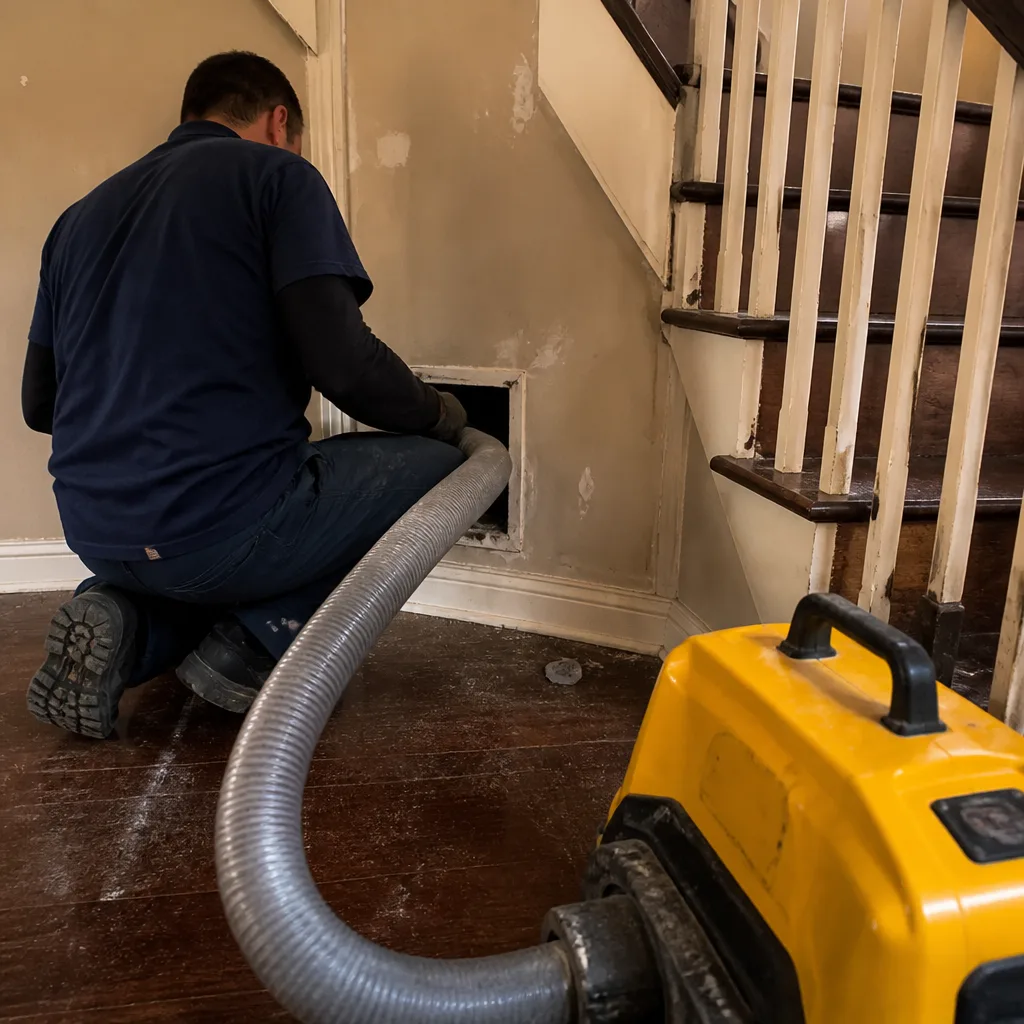 Before
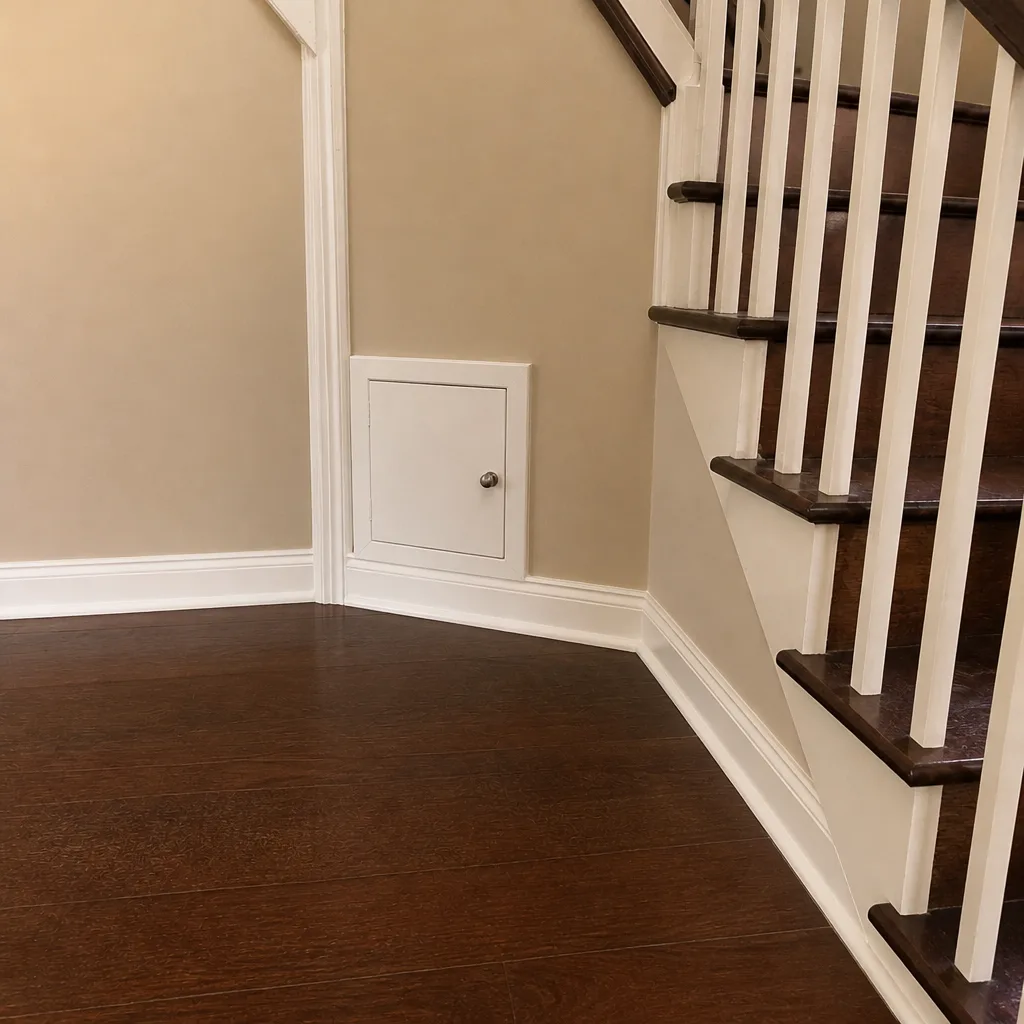 After
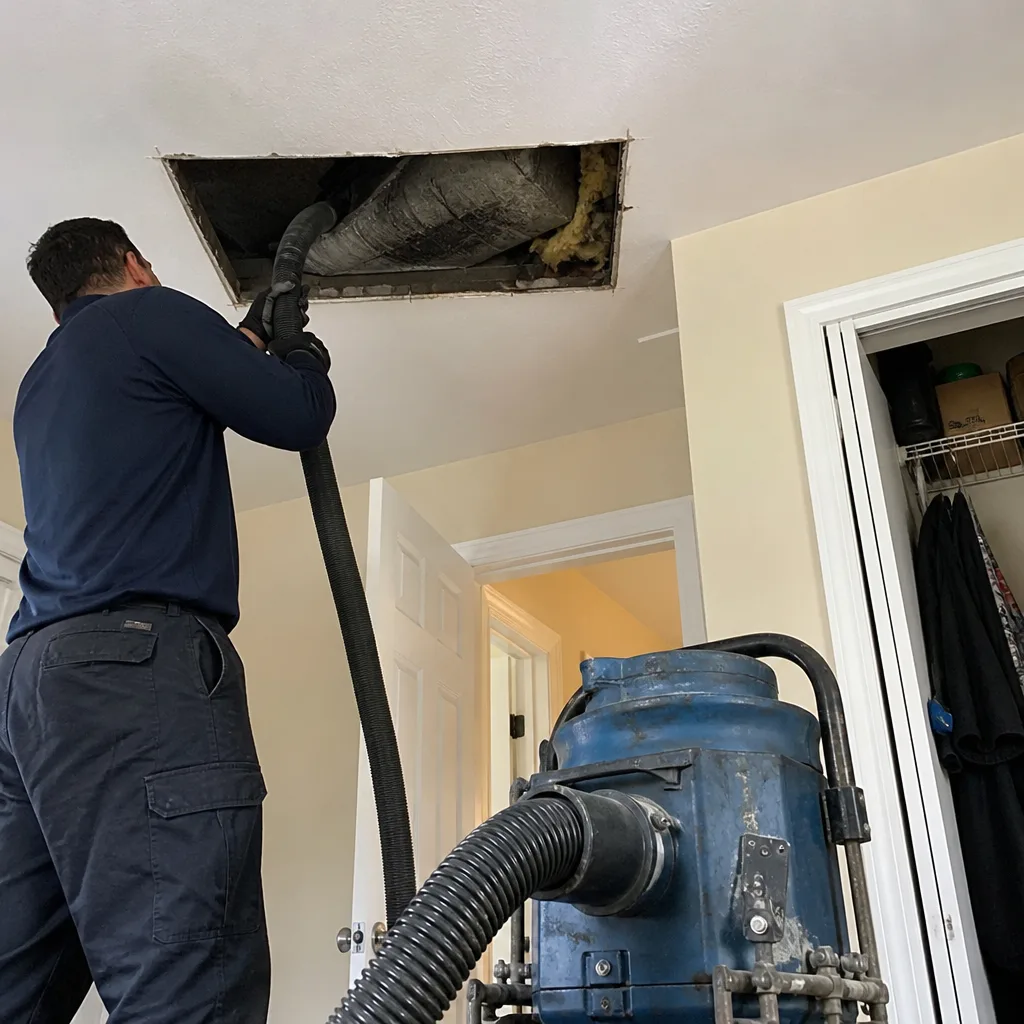 Before
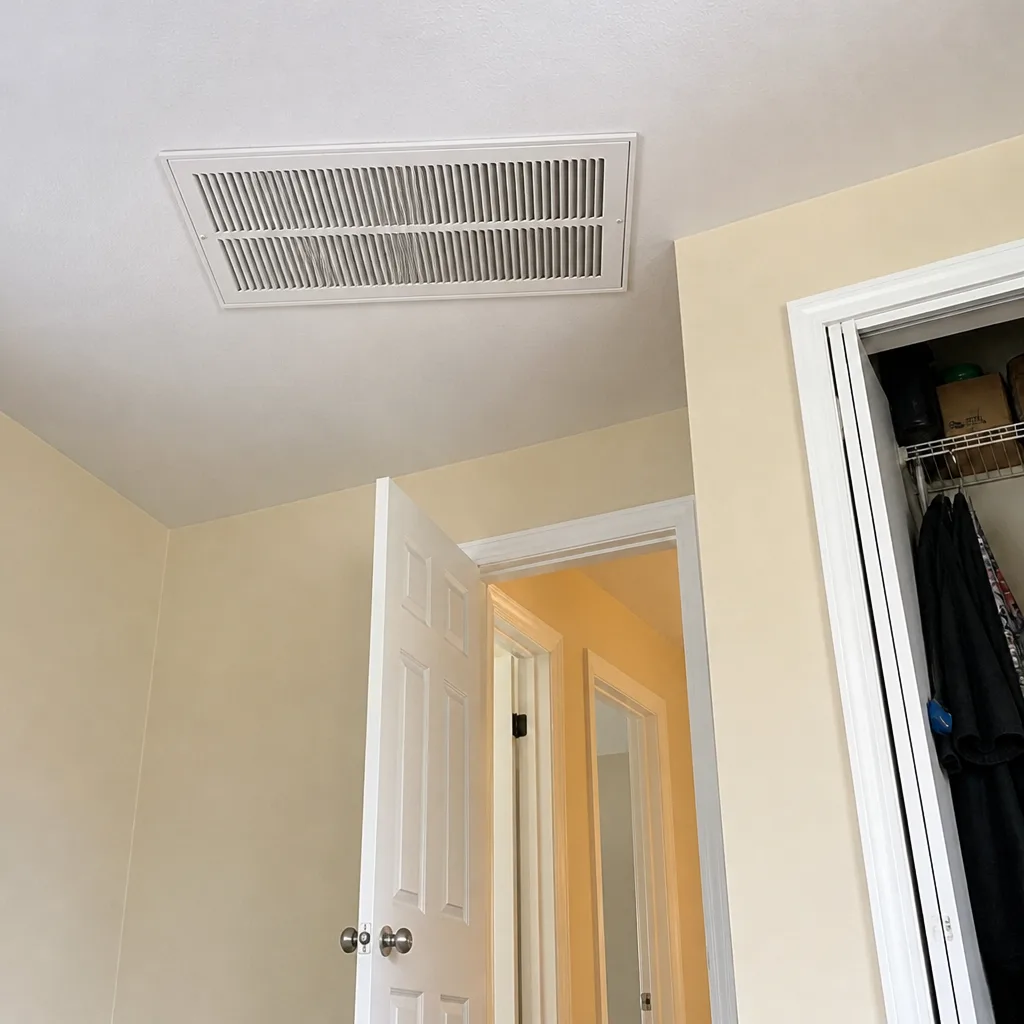 After
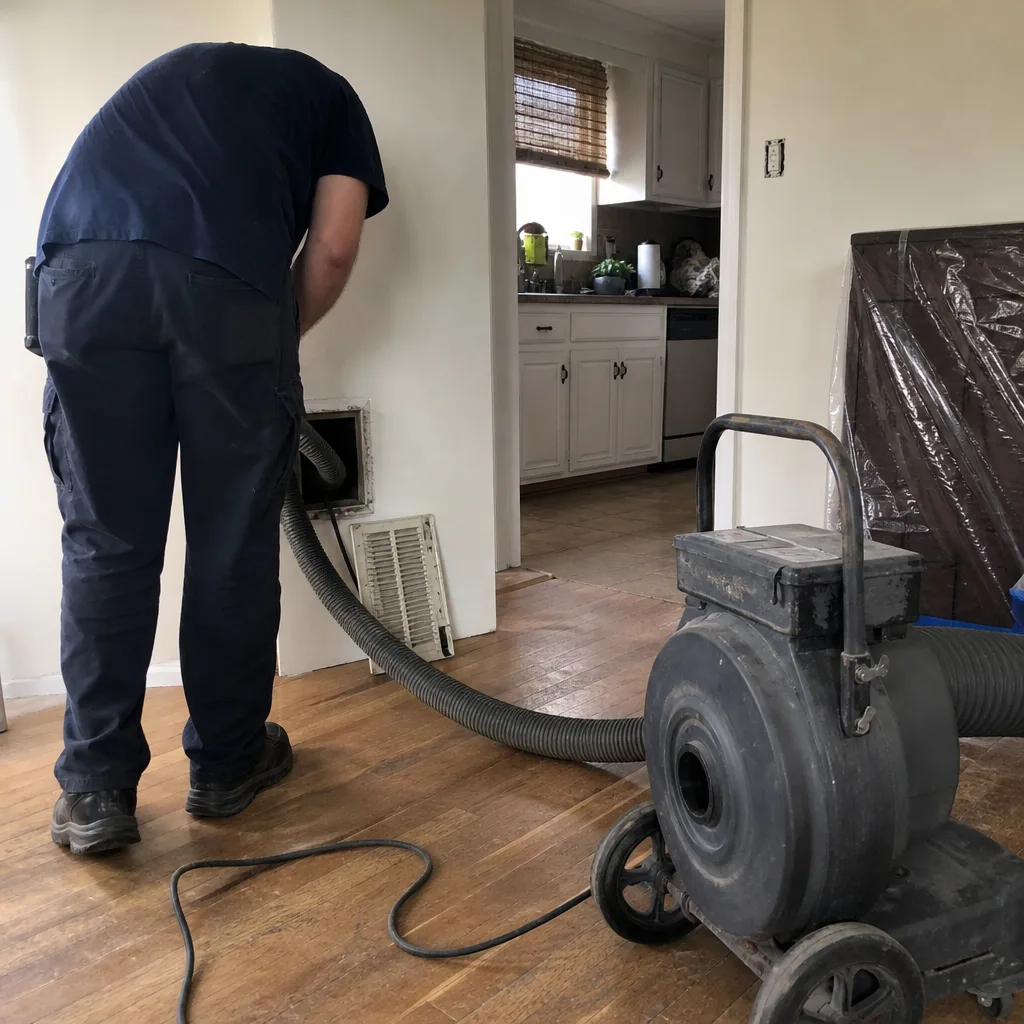 Before
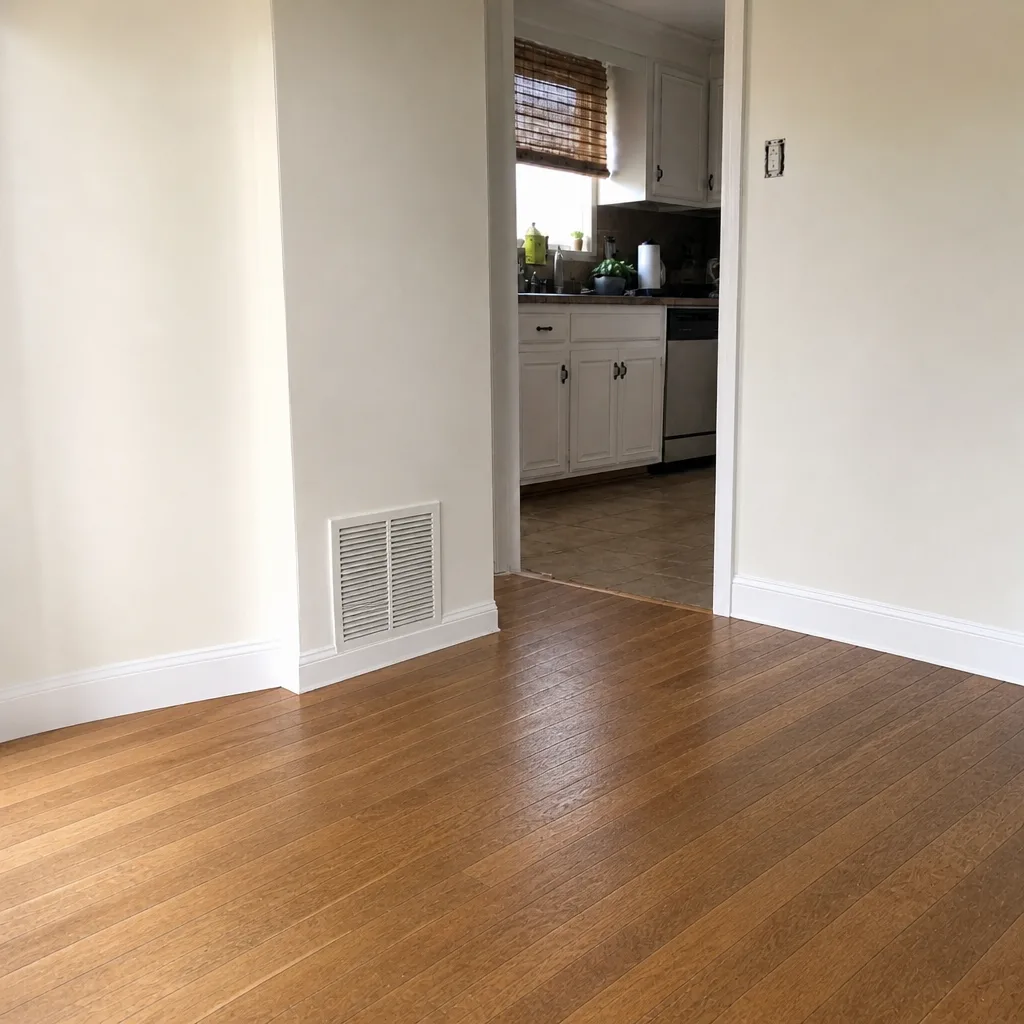 After