
Last updated November 25, 2026
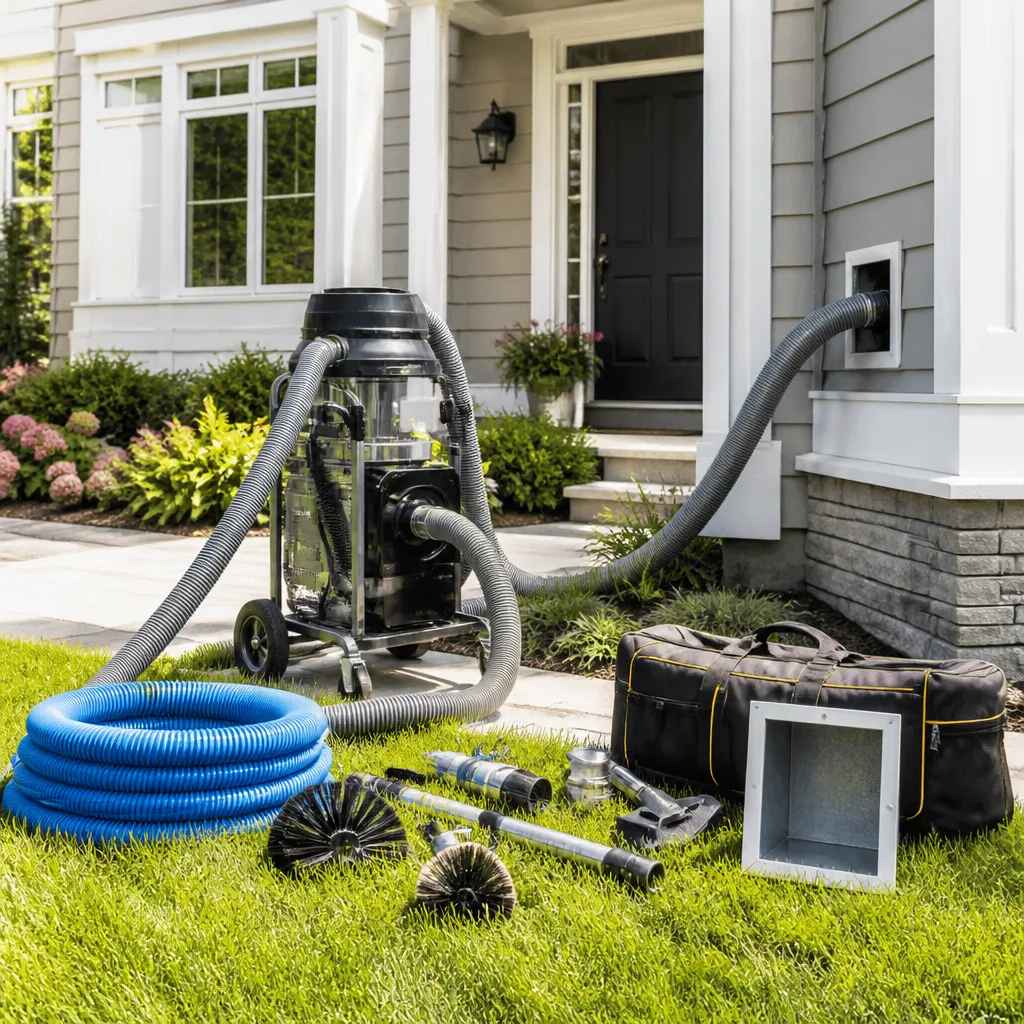 Whole-home duct cleaning
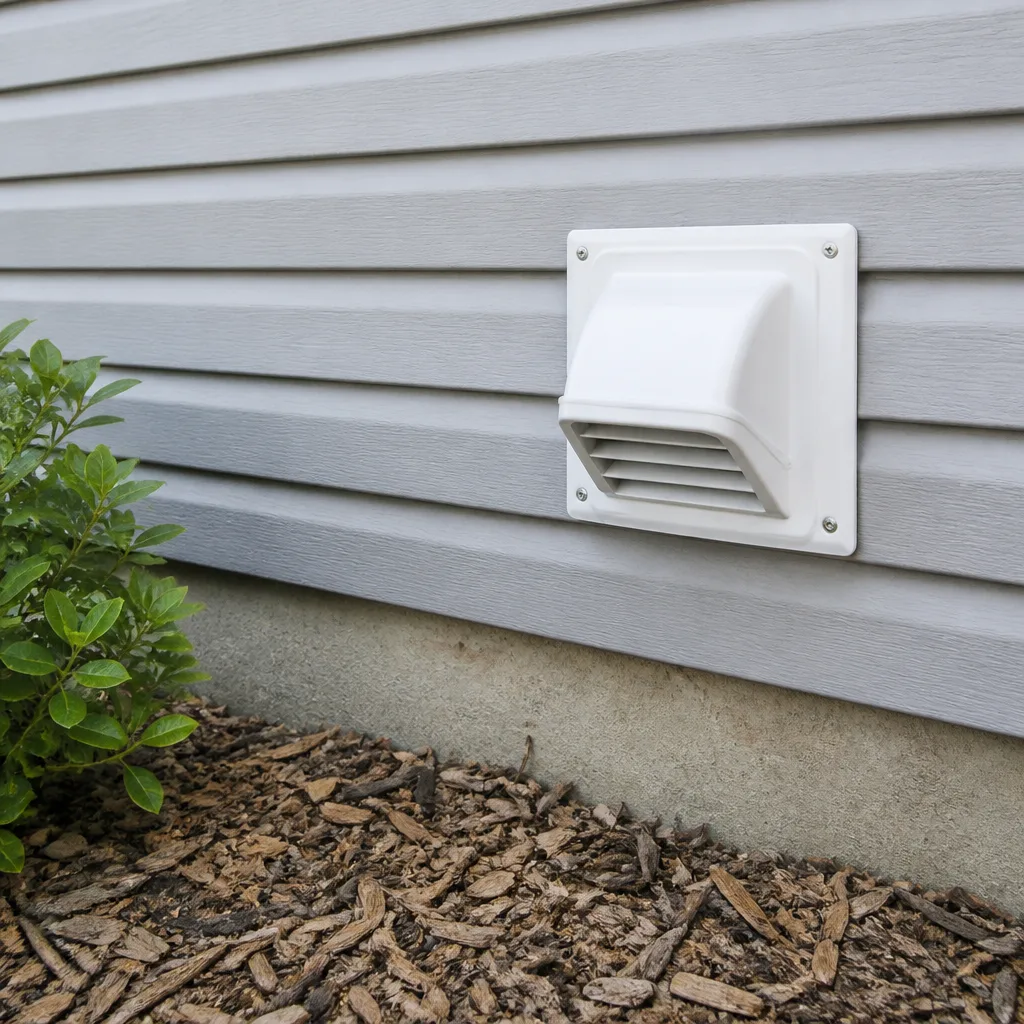 Dryer vent cleaning
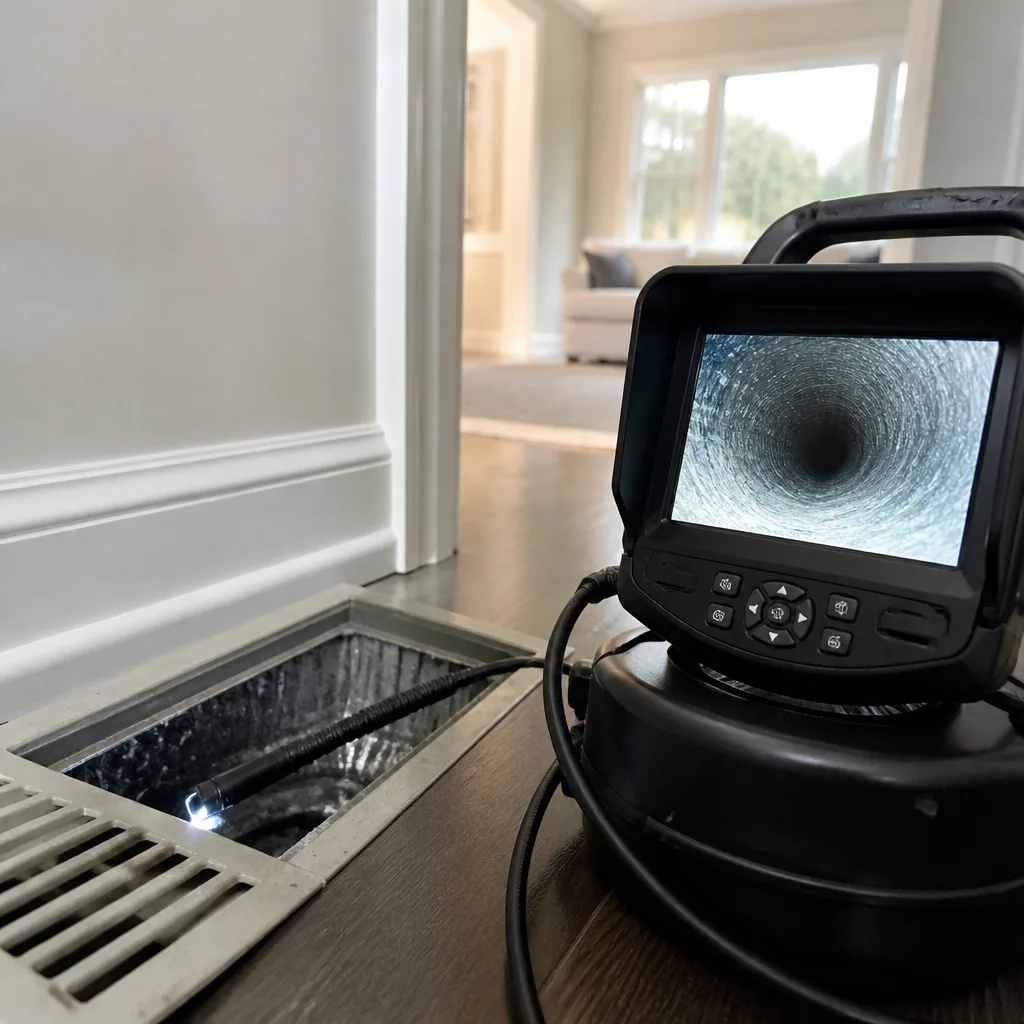 Camera inspection
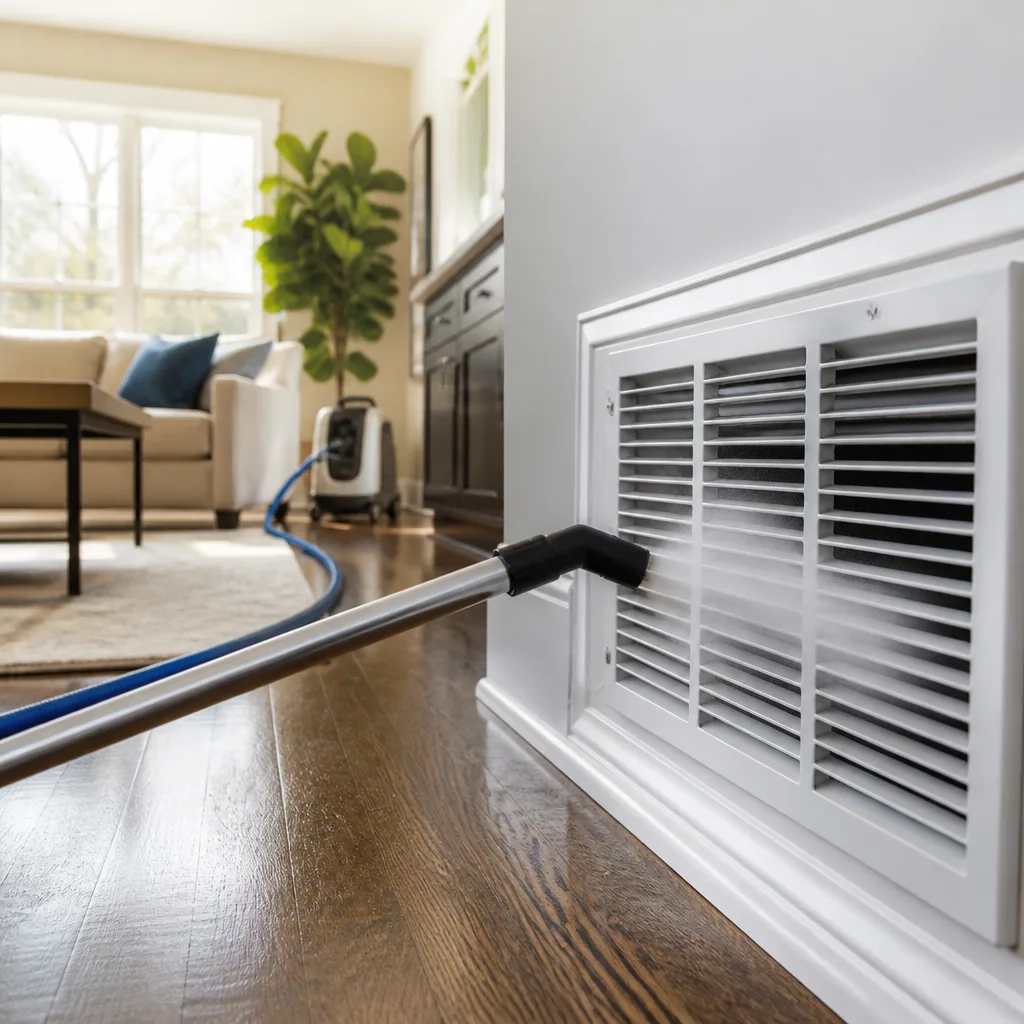 Sanitizing & deodorizing
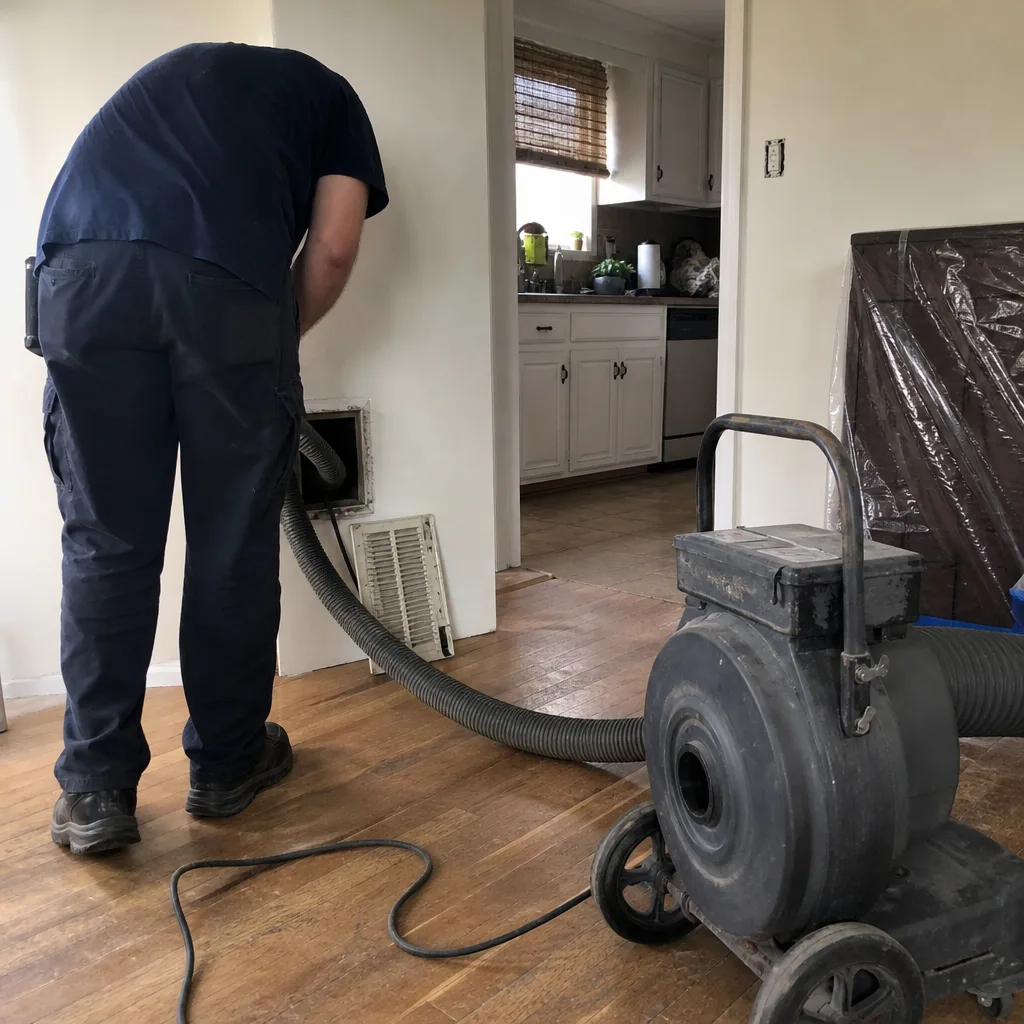
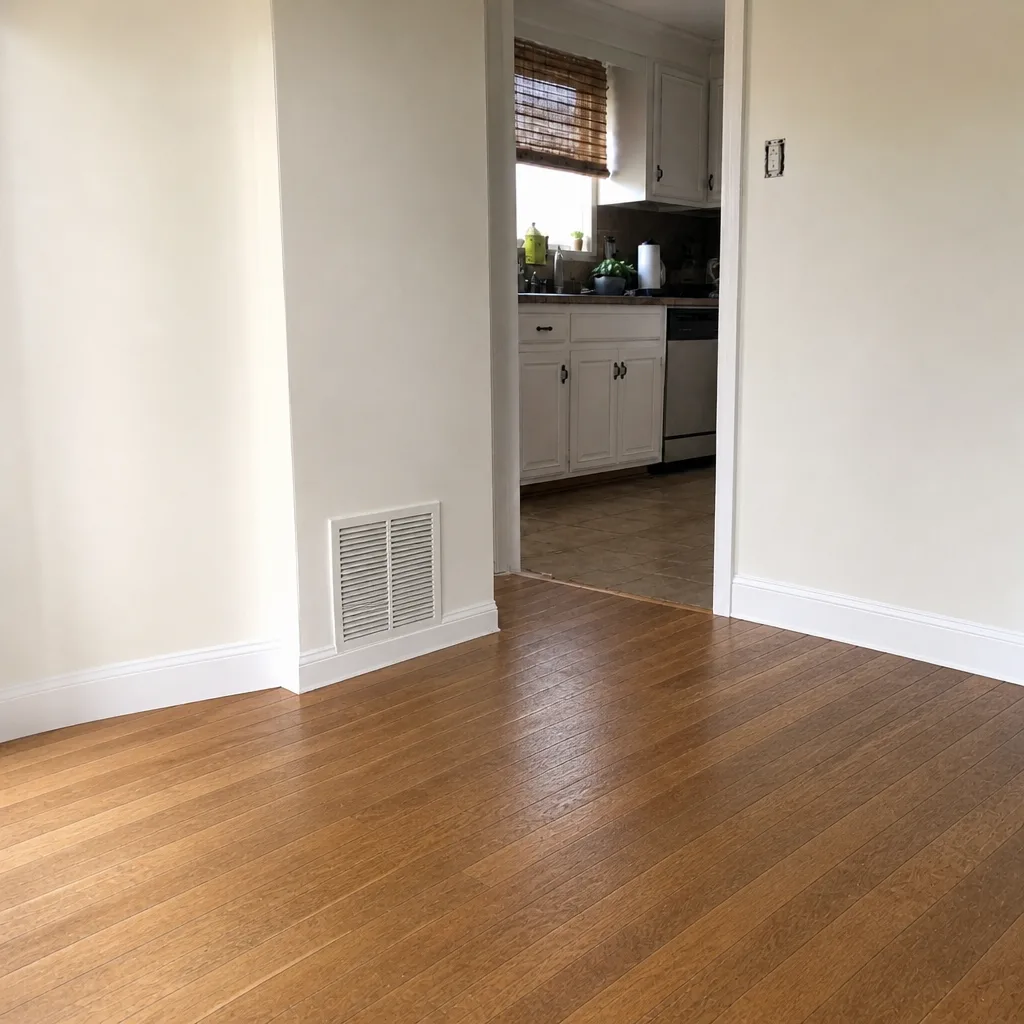
Whole-system duct and dryer vent check with before-and-after photos - you see exactly what came out of your vents
That "$99 whole-house special" is a bait ad - the real number appears once they are in your hallway, or the "clean" is a shop-vac at the register. We photograph the inside of your ducts before and after instead.
DIY vs Professional Air Duct Cleaning: The Bustleton Homeowner’s Decision Guide
The rotating brush kit sold at home improvement stores is built for the first foot of a duct run. That’s also the zone that contributes the least to the airborne particulate load in a Bustleton forced-air system. It’s a real tool that does a real job, but the job it does is small, and the marketing around it implies otherwise. Most of what ends up in your supply air sits well past where any consumer attachment can physically reach. This guide explains exactly where that line falls, what a household vacuum can and can’t do against a sealed duct system, and how to decide honestly whether your Bustleton home needs a shop vac and a Saturday or a professional setup with negative air pressure and proper extraction.
Quick Answer
DIY air duct cleaning can meaningfully improve the surfaces you can reach – register covers, return grilles, the first foot or so of each run, and the dryer vent stub near the wall. What it cannot do is reach the contamination zones deeper in the system, and it cannot generate the negative air pressure required to keep dislodged debris from redistributing into your living space. If your Bustleton home is older, has flex duct, has never been cleaned, or has anyone in the household with allergies or respiratory concerns, professional cleaning is the only approach that addresses the actual problem.
Styles & brands we work with
- Whole-home duct cleaning
- Dryer vent cleaning
- Camera inspection
- Sanitizing & deodorizing
Table of Contents
- How Far Can DIY Duct Cleaning Tools Actually Reach?
- Why a Household Vacuum Can’t Do What Negative Air Pressure Does
- What DIY Cleaning Legitimately Accomplishes
- The Risk Profile of Improper DIY Attempts
- A Decision Matrix: When DIY Makes Sense and When It Doesn’t
- What Professional Air Duct Cleaning in Bustleton Actually Involves
- DIY vs Professional Cost: An Honest Comparison
- Common Mistakes to Avoid
- When to Call a Professional
- Frequently Asked Questions
How Far Can DIY Duct Cleaning Tools Actually Reach?
Consumer duct cleaning kits – the kind that attach to a drill and spin a small whip or brush – top out somewhere between three and six feet of usable reach in a straight run. In practice, most homeowners get about a foot of useful contact before the whip starts losing effectiveness against duct walls and the tool begins to bind. That’s the first limitation, and it’s a hard physical one. The contamination that matters for indoor air quality typically sits 18 inches past the register and continues for 15 to 25 feet down the trunk and branch runs of a typical Bustleton forced-air system.
Professional systems like the Rotobrush and Nikro lines use flexible shaft brush heads that extend 25 feet or more into a run. That reach is what makes a difference in the sections that carry the highest particulate load: the trunk line off the air handler, the return plenum, and the inner walls of the branch ducts that serve the bedrooms and living areas. A brush with 25 feet of controlled reach can follow elbows, navigate around offsets, and maintain contact pressure against the duct wall the entire way.
The reach difference isn’t a marketing talking point. It’s the reason a five-minute DIY pass on a register looks impressive (lots of dust comes out of a place that was never really the problem) while the duct two feet behind that register stays exactly as contaminated as it was before you started.
Reach at a Glance
- Consumer drill-attachment whip or brush: roughly 1 to 6 feet of usable reach, straight runs only
- Shop vacuum hose: 4 to 8 feet depending on hose, with negligible airflow at that distance
- Professional flexible shaft brush (Rotobrush, Nikro class): 25+ feet, follows elbows and offsets
- Air-powered whips used by remediation contractors: full branch run length, with reverse airflow assist
In our experience, the most common misunderstanding is thinking that because dust visibly came out of a register during a DIY pass, the duct has been cleaned. What actually happened is that the loosest surface debris in the most accessible foot of the run was disturbed. The rest of the run stayed put. And in some cases, that disturbed debris was pushed deeper rather than extracted. If you want a clear picture of what air duct cleaning actually addresses, it starts with reach – and reach is where DIY stops.
Why a Household Vacuum Can’t Do What Negative Air Pressure Does
Professional duct cleaning depends on one piece of physics that no household vacuum can replicate: sustained negative air pressure throughout the duct system. A Shop-Vac pulls somewhere in the range of 150 to 200 cubic feet per minute (CFM) at the hose mouth, dropping off sharply the moment you add hose length and duct resistance. Professional extraction units connected to the system through a sealed plenum or access port pull 2,000 to 4,000 CFM at controlled static pressure. That’s not a small difference. It’s an order of magnitude.
Here’s what that difference looks like in practice:
- The technician seals the duct system at one or more access points and connects the extraction unit.
- The extraction unit puts the entire run under negative pressure before cleaning starts.
- Rotating brushes and air whips are fed through the run, loosening debris from the duct walls.
- Debris is pulled toward the extraction point rather than into the living space.
- Containment is verified with particle counters in professional remediation setups.
- Abatement Technologies equipment handles the contained extraction and filtration step on jobs that need it.
When you clean a duct with a shop vac from the register, you’re not generating negative pressure across the system. You’re generating local suction at one opening. Any agitation you create – brushing, whipping, or just disturbing the register boot – can push looser debris into the supply stream feeding the bedrooms and living areas of your Bustleton home. The debris that doesn’t come out the register goes into the air. This is the part of the DIY equation that doesn’t get mentioned on the kit packaging, and it’s the reason environmental remediation contractors don’t do duct work with a vacuum and a brush attachment.
Why CFM and Static Pressure Matter
Static pressure is the resistance the extraction system works against. Long duct runs, elbows, dampers, and flex transitions all add static pressure, which reduces effective airflow at the far end. A professional unit with headroom to spare maintains usable suction all the way through the run. A household vacuum at the same distance has almost no effective airflow left – it’s mostly noise and a little heat. If you’ve ever held a shop vac hose to a clogged sink drain and felt the suction drop the moment it hit resistance, you’ve felt the same physics that limits DIY duct cleaning.
What DIY Cleaning Legitimately Accomplishes
We’re not going to pretend DIY cleaning does nothing. It does several things well, and if your system is in reasonable shape and your goal is basic maintenance, some of those things are worth doing yourself.
- Register and grille cleaning: Removing and washing supply register covers and return grilles removes visible dust, pet hair, and cooking residue. This is legitimate, low-risk, and makes a real visible difference.
- Return grille filter changes: Replacing or cleaning the filter at the return grille is one of the highest-impact low-effort maintenance tasks in any Bustleton forced-air home. It’s unrelated to duct interior cleaning, but it does affect what gets pulled through the system.
- Dryer vent brushing near the wall: The first 12 to 18 inches of dryer vent – the section you can reach from the wall connection – can be brushed with a consumer dryer vent kit. This reduces lint buildup at the most common failure point. Do not go past the wall penetration unless you know the full run and have the right tools; the deeper sections and exterior termination are where blockages and fire risk concentrate.
- Surface cleaning of the air handler cabinet exterior and accessible filter slot: Cleaning dust off the outer surfaces and around the filter door is safe and useful. Opening the air handler itself is a different question – that’s HVAC technician territory.
- Cleaning the area around supply registers inside the room: Dust accumulates on ceiling and wall surfaces around registers. Regular cleaning of those surfaces prevents dust from being re-entrained into the supply stream.
What DIY cannot do: reach past the first foot, generate meaningful negative pressure, extract debris from trunk lines, address the return plenum, clean the air handler’s interior coil and blower, or apply an EPA-registered sanitizer to the duct surfaces after cleaning. Those are the parts of the job that affect air quality in the way most Bustleton homeowners actually care about.
The Risk Profile of Improper DIY Attempts
The risks of a DIY attempt aren’t catastrophic, but they’re real and they’re not obvious until something goes wrong. If you’re going to try it, understand what you’re risking.
Dislodged insulation
Many Bustleton homes have ductwork wrapped in fiberglass insulation on the interior or running through unconditioned attic and crawl space areas where insulation sits close to the duct. Brushing too aggressively with a consumer whip can tear or loosen that insulation, which then enters the airstream. Once insulation fibers are in the system, they’re harder to remove than the dust you started with, and they can collect at the air handler and coil.
Flex duct damage
A significant amount of the ductwork in older Bustleton properties is flex duct – the silver, ribbed, wire-reinforced product. Flex duct isn’t designed for consumer-grade brush contact. The inner liner tears, the wire helix can deform, and the duct loses its shape and its airflow characteristics. Once a flex run is crushed or torn, it needs to be replaced, not re-cleaned. That turns a $40 kit purchase into a duct repair job.
Disturbed debris in uncleaned sections
When you agitate the first foot of a run without extracting from the rest of it, you can push looser debris deeper into the run or into the branch offsets where it settles into low spots and stays. That’s worse than leaving the duct alone, because the disturbed material is now more available to be picked up by the airflow the next time the system runs.
Filter and air handler loading
The dust you dislodge in a DIY pass has to go somewhere. If your filter is at the return grille, it catches some of it – and clogs faster, raising static pressure and reducing system efficiency. If your filter is at the air handler, the blower and coil see the increase. That means more frequent filter changes and, in some cases, a coil cleaning you didn’t need.
False confidence
The most expensive risk isn’t damage. It’s believing the system is clean when it isn’t. A Bustleton homeowner who does a DIY pass, sees dust come out of the register, and concludes the ducts are now clean may go years without addressing the trunk line and plenum contamination that’s actually affecting indoor air quality. The problem doesn’t get solved; it gets hidden.
A Decision Matrix: When DIY Makes Sense and When It Doesn’t
Not every Bustleton home needs professional duct cleaning. Some genuinely don’t. Use the factors below to make an honest call. If you land on the “professional” side of more than two of these, the DIY route is likely a waste of an afternoon.
Home age and construction
- Under 10 years, original ductwork, no renovation history: DIY register cleaning is probably sufficient. Schedule a professional cleaning every few years as maintenance.
- 10 to 30 years, original ductwork: Likely candidate for professional cleaning, especially if the system has never been cleaned.
- Over 30 years, or any major renovation in the last 5 years: Strong case for professional service. Renovation debris – drywall dust, sawdust, construction particulate – settles deep in the runs and isn’t addressed by surface cleaning.
System type
- Short-run rigid metal duct, single-story home: DIY has more legitimate room to work, especially on register cleaning.
- Long runs, multi-story, flex duct, or a system with multiple zones and dampers: Professional equipment is essentially required to reach the full run.
- High-velocity mini-duct systems: These should only be cleaned by technicians trained on that specific system type. Consumer tools can damage the small-diameter tubing.
Contamination level
- Light dust, no visible debris at registers, no odor: DIY maintenance is reasonable.
- Visible dust puffing from registers when the system starts, musty odor, or visible debris in the return: Professional cleaning.
- Recent water intrusion, pest activity, or visible microbial growth anywhere in the system: Professional assessment. This is beyond cleaning – it may require sanitizing and possibly repair or replacement of affected sections.
Health factors
- No one in the household with respiratory concerns: DIY maintenance is reasonable if other factors allow it.
- Anyone in the household with asthma, allergies, or other respiratory conditions: Professional cleaning. The point of the job shifts from visible cleanliness to actual reduction of airborne particulate, and that requires negative pressure extraction.
- Infants, elderly residents, or immunocompromised family members: Same – professional cleaning with a sanitizing step afterward.
The dryer vent exception
Dryer vents are a separate judgment call from duct cleaning. Surface lint removal near the wall is safe for a homeowner to handle. The full run – especially the transition duct, the wall penetration, and the exterior termination – should be done professionally, because that’s where lint blockages create fire risk. A professional dryer vent cleaning addresses the whole path, not just the visible end.
What Professional Air Duct Cleaning in Bustleton Actually Involves
A proper professional cleaning in Bustleton follows a defined sequence. The equipment matters, but the process matters more – a crew with the right brands and the wrong sequence isn’t doing the job correctly.
- System inspection. Before any cleaning starts, the technician inspects the ductwork, the air handler, the return plenum, and the accessible branch runs. This is where leaks, disconnected sections, damaged flex, and prior DIY damage get found.
- Containment setup. Access ports are cut at strategic points (with the homeowner’s approval) and sealed. The extraction unit is connected to create negative pressure across the run being cleaned.
- Mechanical agitation. Flexible shaft brush heads – Rotobrush and Nikro class – are fed through each run, followed by air whips on heavier jobs. The brushes loosen debris from all duct surfaces while extraction runs.
- Extraction. Abatement Technologies equipment handles the contained debris capture on jobs where a sealed extraction pathway is needed. The negative pressure keeps debris moving toward the collection point rather than into the home.
- Air handler and coil cleaning. The blower wheel, cabinet interior, and accessible coil surfaces are cleaned as part of the HVAC portion of the job. This is HVAC cleaning, and it’s where a lot of the airborne particulate actually originates.
- Sanitizing. After cleaning, an EPA-registered sanitizer is applied to the duct surfaces. This addresses microbial concerns that cleaning alone doesn’t fully resolve. It’s a named service step, not an upsell added at the end.
- Sealing and repair. Leaks, disconnected joints, and damaged sections found during inspection are sealed. Filter housings – Honeywell, Aprilaire, and Guardsman products among them – are checked and adjusted if needed.
- Verification. Before-and-after documentation is captured so the homeowner can see what was actually removed and what state the system is in afterward.
That’s the difference between cleaning and cleaning properly. Every step above is one a homeowner can’t replicate with a consumer kit, not because the equipment is exotic, but because the equipment is professional-grade and the process is built around containment from start to finish.
DIY vs Professional Cost: An Honest Comparison
We’re not going to quote a DIY kit price or pretend the comparison is close on the day you write the check. It isn’t. A consumer duct cleaning kit costs less than a professional cleaning, and it always will. The question is what you actually get for the difference.
- Consumer duct cleaning kit: Roughly the cost of a home improvement store tool purchase. Reaches about a foot into each run.
- Shop vacuum with duct attachment: Another low-cost tool. Adds localized suction but no system-wide negative pressure.
- Professional whole-system cleaning in Bustleton: Priced per job by written estimate, based on the number of runs, system type, and any repair or sanitizing needed. Includes inspection, containment, mechanical cleaning, extraction, HVAC-side cleaning, and sanitizing.
- Cost of a DIY mistake: If a flex run is torn, a section is disconnected, or insulation is pulled loose, the repair cost typically exceeds the professional cleaning you were trying to avoid. In some cases, by a wide margin.
The written estimate is the final price – that’s the number we work from, and the number stays the number. We don’t price per register or per vent, because pricing per vent encourages the wrong incentive: clean the visible ones quickly and move on. Cleaning is priced per system, and if the estimate reveals something the initial conversation missed, that’s a conversation before the job, not a surprise invoice after it.
Common Mistakes to Avoid
- Assuming visible dust at a register means the duct is dirty. Registers catch settling dust from the room, not just from the duct. A clean register doesn’t mean a clean run behind it, and a dusty register doesn’t always mean a duct problem. Look for puffing at startup and musty odor as stronger signals.
- Using a shop vac inside the register boot while the system runs. The blower fights your suction and pushes disturbed debris into the supply stream. If you must DIY, turn the system off first.
- Putting a rotating brush into flex duct without knowing what’s behind the register. Flex duct has a limited tolerance for brush contact, and older Bustleton homes often transition from rigid metal to flex at a boot the homeowner can’t see. If you don’t know the duct type, don’t brush.
- Brushing the dryer vent past the wall without a clear map of the run. The section behind the wall is where lint accumulates and where the transition to the exterior duct can come loose. Brush the first foot, then stop and call for the full run.
- Skipping the air handler while cleaning the ducts. The blower wheel, coil, and cabinet are often the most contaminated parts of the system. Cleaning ducts without cleaning the air handler is cleaning the hallway but not the room.
- Treating a musty smell with air fresheners instead of investigating. A persistent smell from the supply air is a symptom, not a decor problem. It usually traces back to moisture, microbial growth, or a disconnected return. Address the cause.
- Believing a cleaning quote that was phoned in without an inspection. If a company quotes a whole-house cleaning without seeing the system, the number is a guess. A written estimate follows an inspection.
When to Call a Professional
Call a professional if any of the following are true: the home is older than ten years and the system has never been cleaned; there’s visible dust puffing from supply registers when the system starts; the house has a musty or dusty smell that doesn’t resolve with filter changes; anyone in the household has asthma, allergies, or another respiratory condition; there’s been a recent renovation or water intrusion; the ductwork includes flex runs you can’t see or assess; or you’ve tried DIY cleaning and the visible result didn’t match the upstairs air quality. Air Duct Cleaning Bustleton offers free estimates in Bustleton – call (833) 509-5322. We answer 24/7. Fast dispatch from 7am to 7pm, Sunday through Friday.
Frequently Asked Questions
Professional air duct cleaning in Bustleton is priced per system, not per vent, based on the written estimate after inspection. The final price reflects the number of runs, the system type (rigid metal versus flex, single versus multi-zone), and whether HVAC cleaning, repair, or sanitizing is included. Call (833) 509-5322 for an exact quote – estimates are free.
Because they do a fundamentally different job. A consumer kit reaches about a foot into a duct run and generates local suction only. A professional setup reaches 25+ feet, puts the entire run under negative pressure, and includes the air handler, sanitizing, and any repair the inspection reveals. The price difference reflects equipment and process, not just labor. Call (833) 509-5322 to talk through what your specific system needs.
Ask for before-and-after photos of the duct interior, the air handler, and the return plenum. A professional cleaning should leave you with documentation showing the starting condition and the end result. If a company can’t show you what it cleaned, that’s a real question. Call (833) 509-5322 for an estimate that includes documentation.
Most Bustleton homes do well on a cleaning every three to five years, with shorter intervals if there’s a recent renovation, pets, smokers, or ongoing respiratory concerns in the household. Homes with clean rigid metal ductwork and well-maintained filtration can stretch that interval further. Call (833) 509-5322 if you’re not sure where your home falls.
Yes. Consumer brush attachments can tear the inner liner of flex duct, loosen interior insulation, and disconnect joints that were sealed at installation. In older Bustleton homes where the duct type isn’t visible from the register, brushing without inspection is a real risk. A trained technician identifies the duct type first. Call (833) 509-5322 to have the system looked at.
Not in every company’s service, but it does here. Dryer vent cleaning is a distinct service with its own fire-safety case, and it can be scheduled alongside duct cleaning so the whole air and exhaust pathway gets addressed under one appointment. Call (833) 509-5322 to book both together.
The Bottom Line
DIY air duct cleaning is a legitimate maintenance task for the surfaces you can reach – registers, grilles, the first foot of a run, and the dryer vent stub near the wall. What it can’t do is reach past that first foot, generate the negative pressure that keeps debris out of your living space, or clean the air handler that concentrates most of the particulate load. If your Bustleton home is older, has flex duct, has never been professionally cleaned, or has anyone in the household with respiratory concerns, the honest answer is that DIY isn’t the right tool. If your system is newer and reasonably clean, DIY maintenance between professional cleanings every few years is a sensible approach. Either way, an inspection is the starting point. Air Duct Cleaning Bustleton uses professional-grade equipment – Rotobrush, Nikro, and Abatement Technologies – and covers the full pathway in a single appointment. Call (833) 509-5322 for a free estimate. We answer 24/7. Fast dispatch from 7am to 7pm, Sunday through Friday. Our technicians have up to 9 years of experience.
Written by the team at Air Duct Cleaning Bustleton.
See the difference
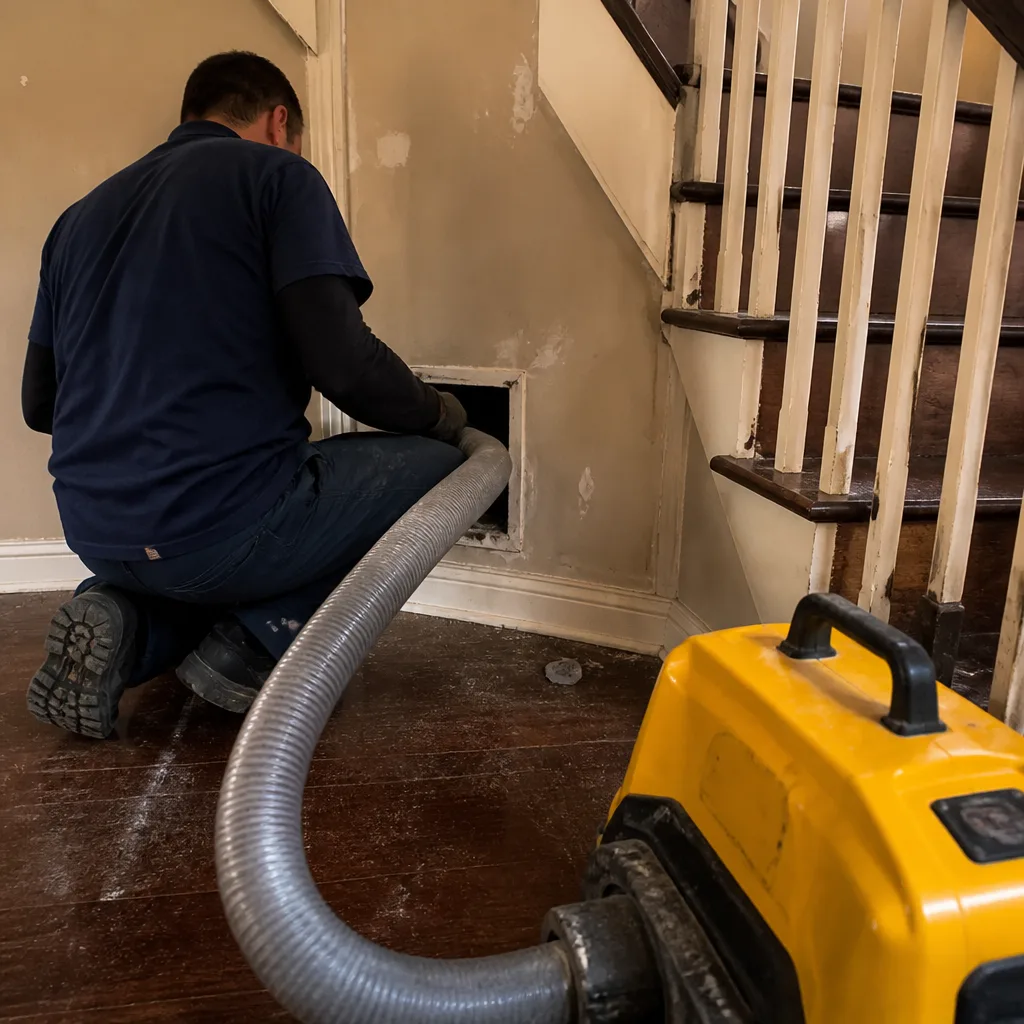 Before
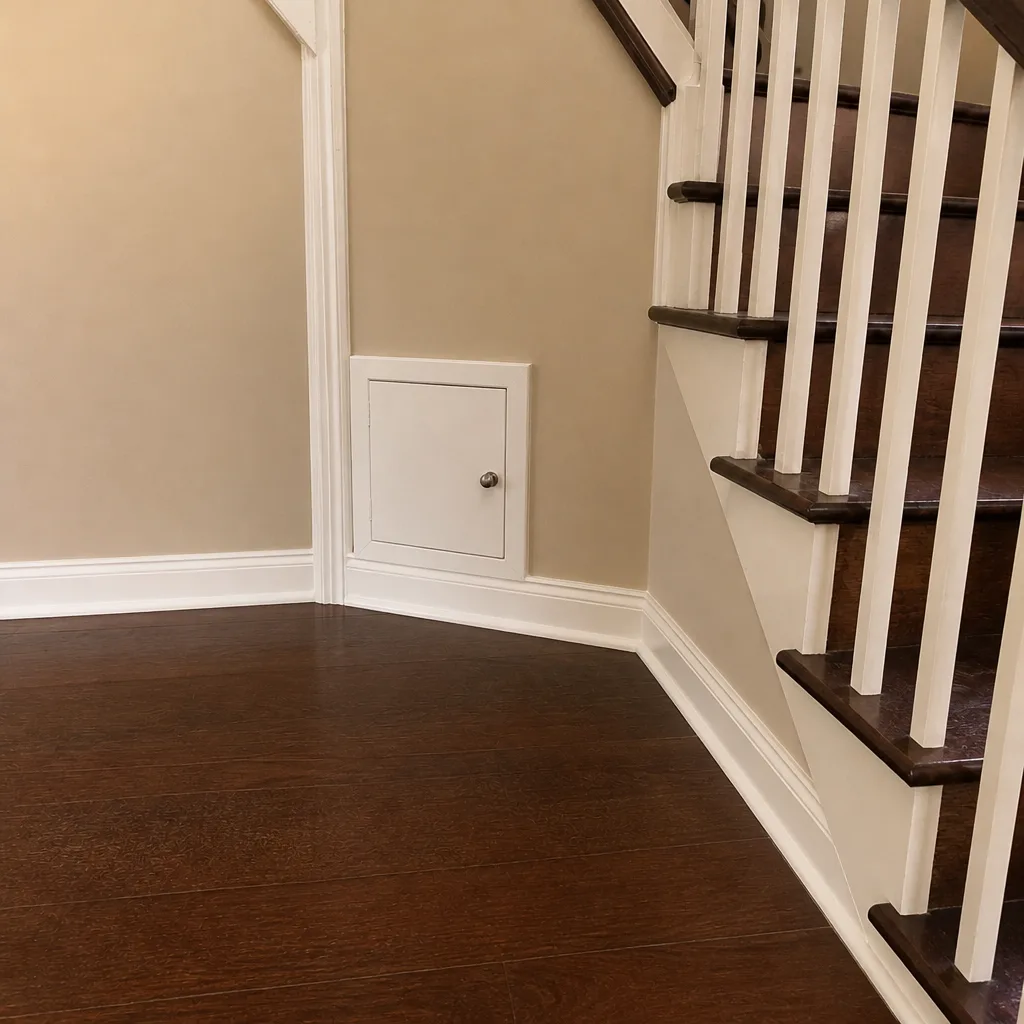 After
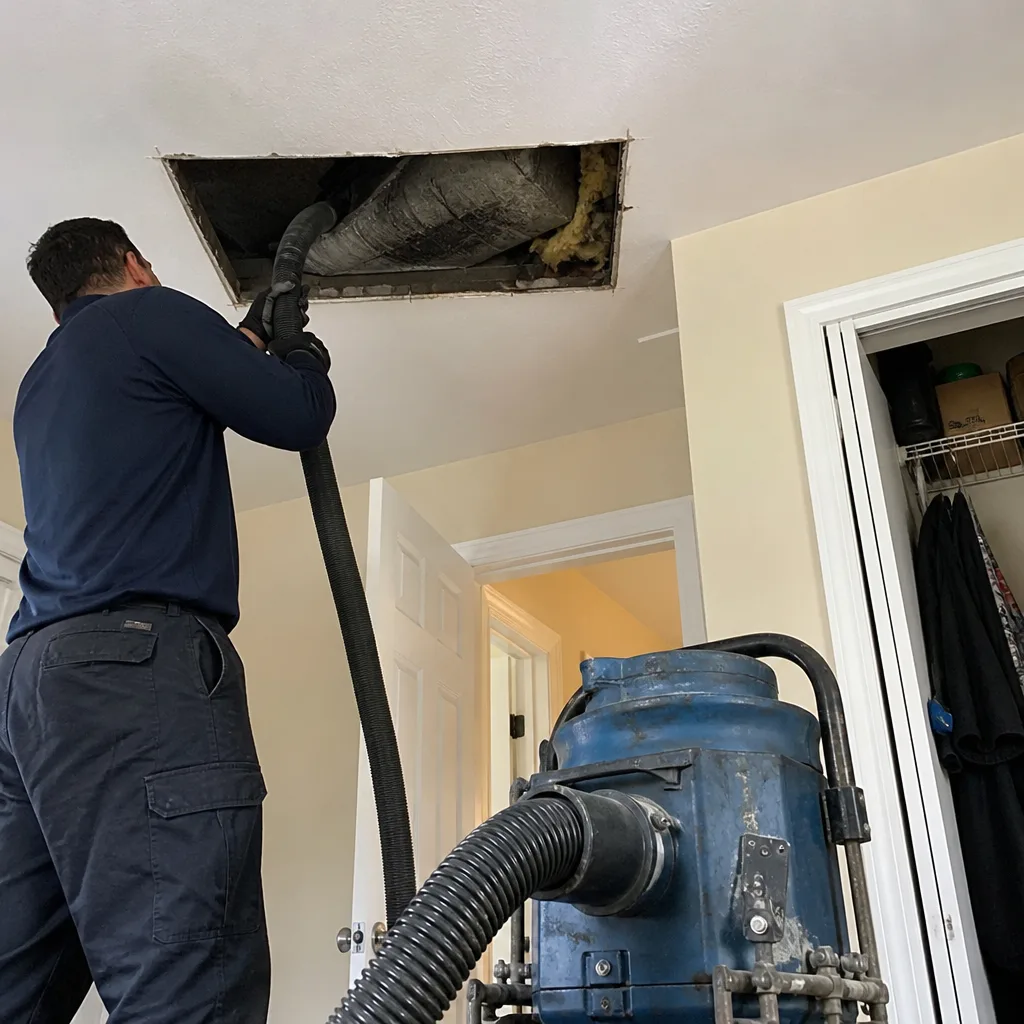 Before
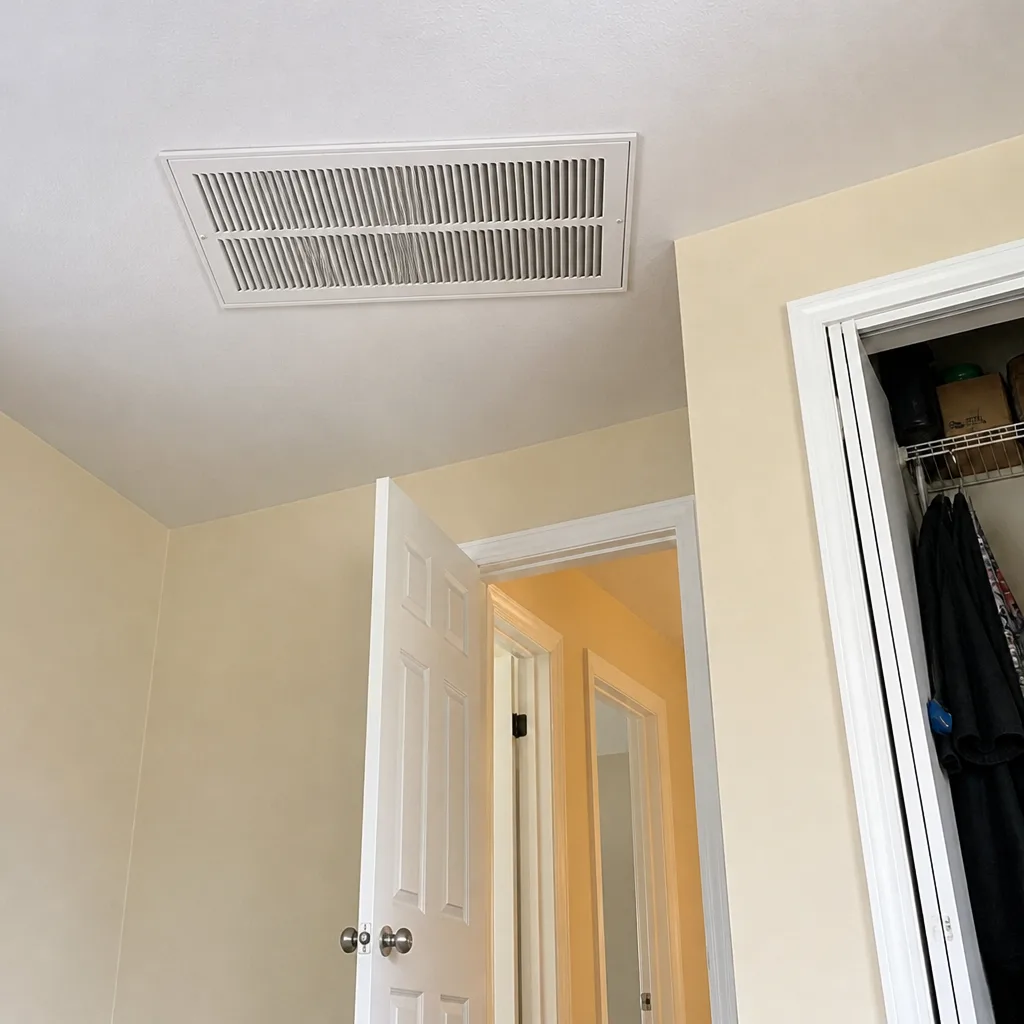 After
 Before
 After