
Last updated November 25, 2026
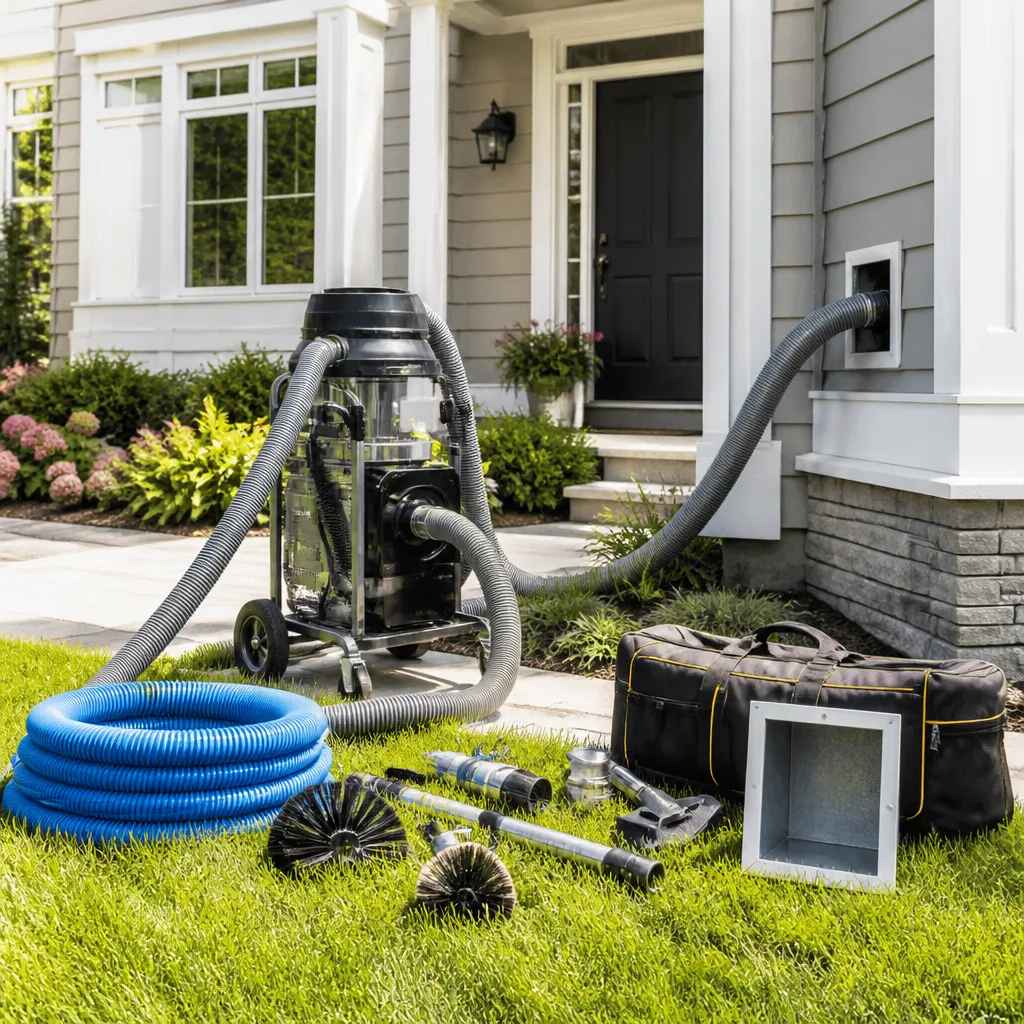 Whole-home duct cleaning
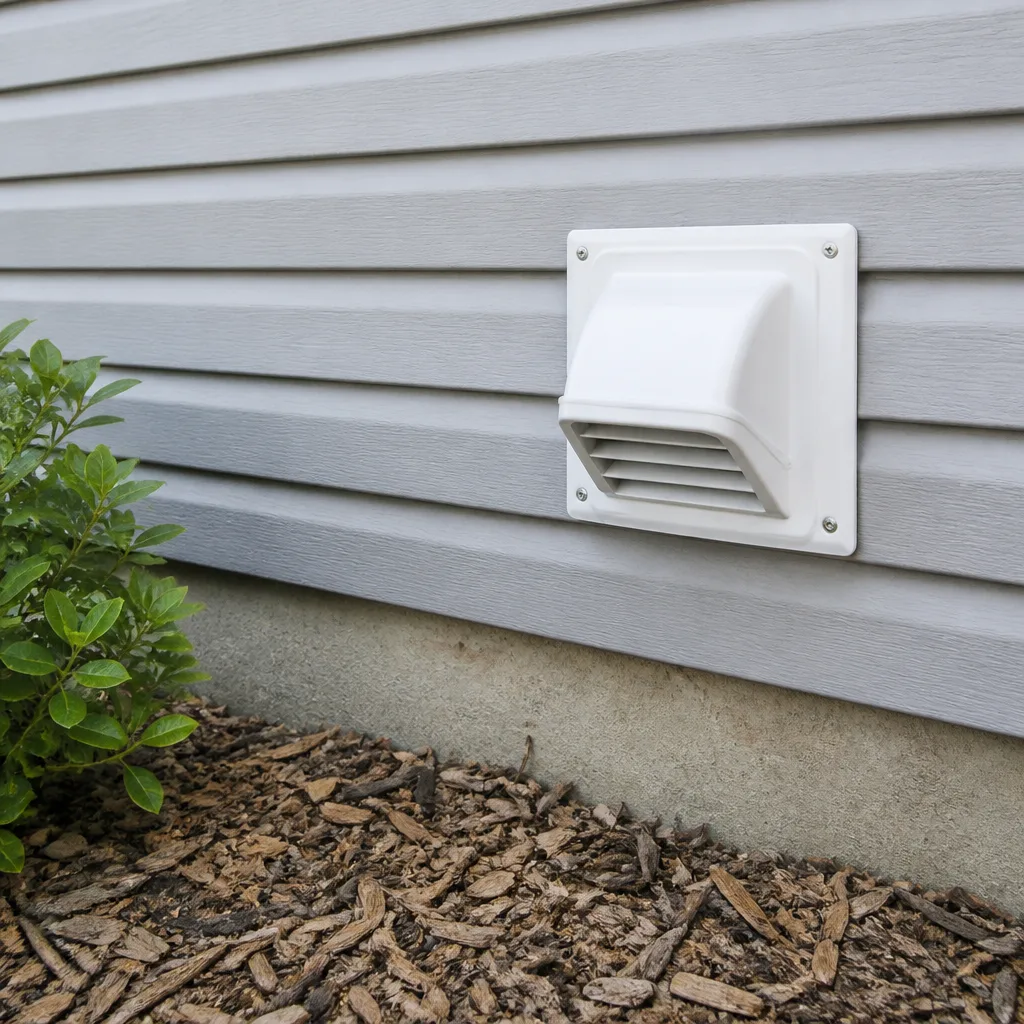 Dryer vent cleaning
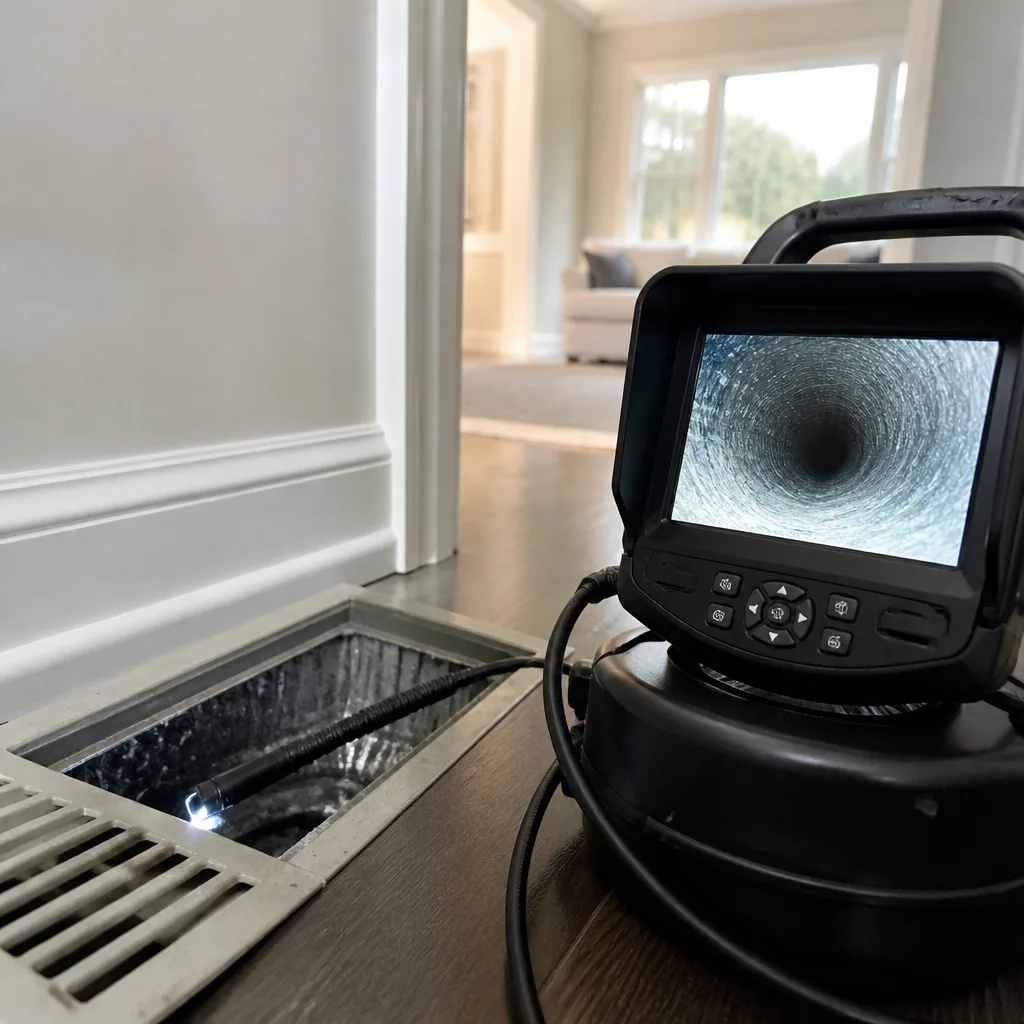 Camera inspection
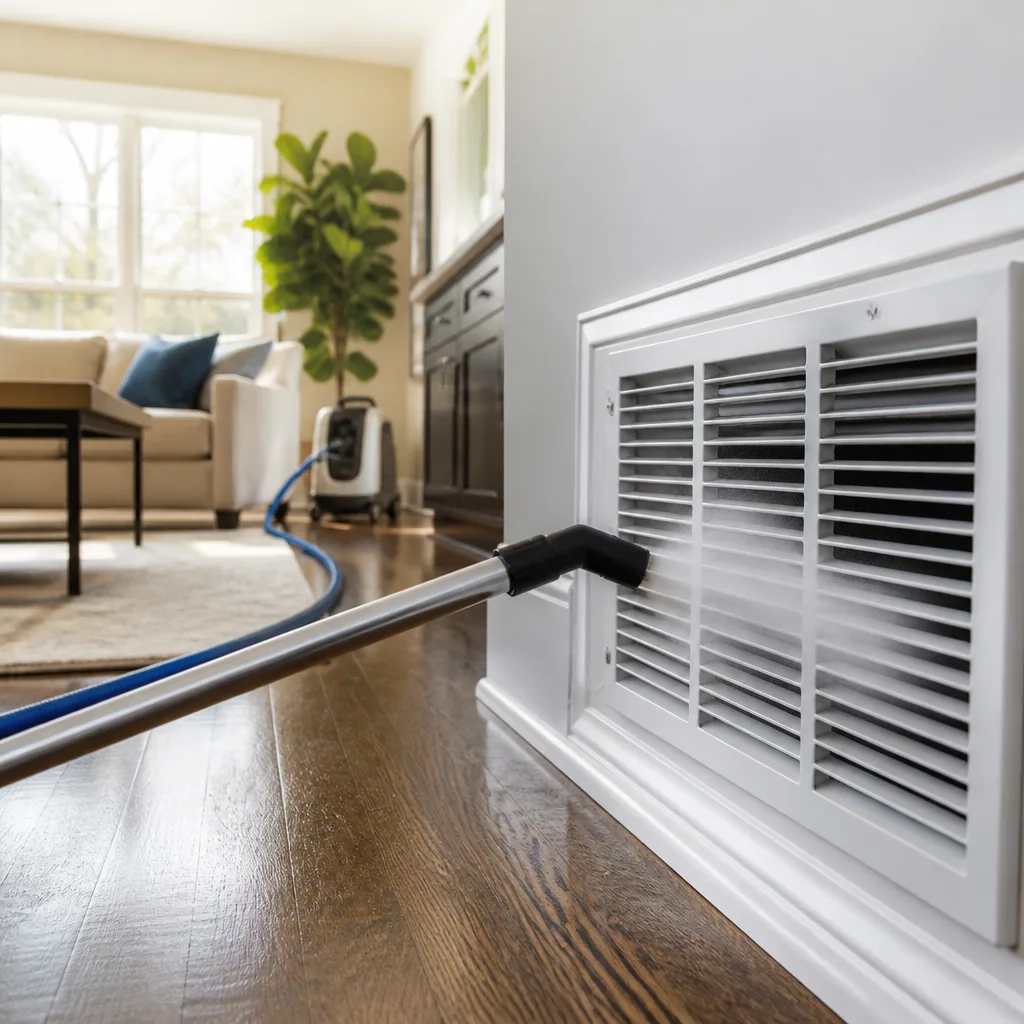 Sanitizing & deodorizing
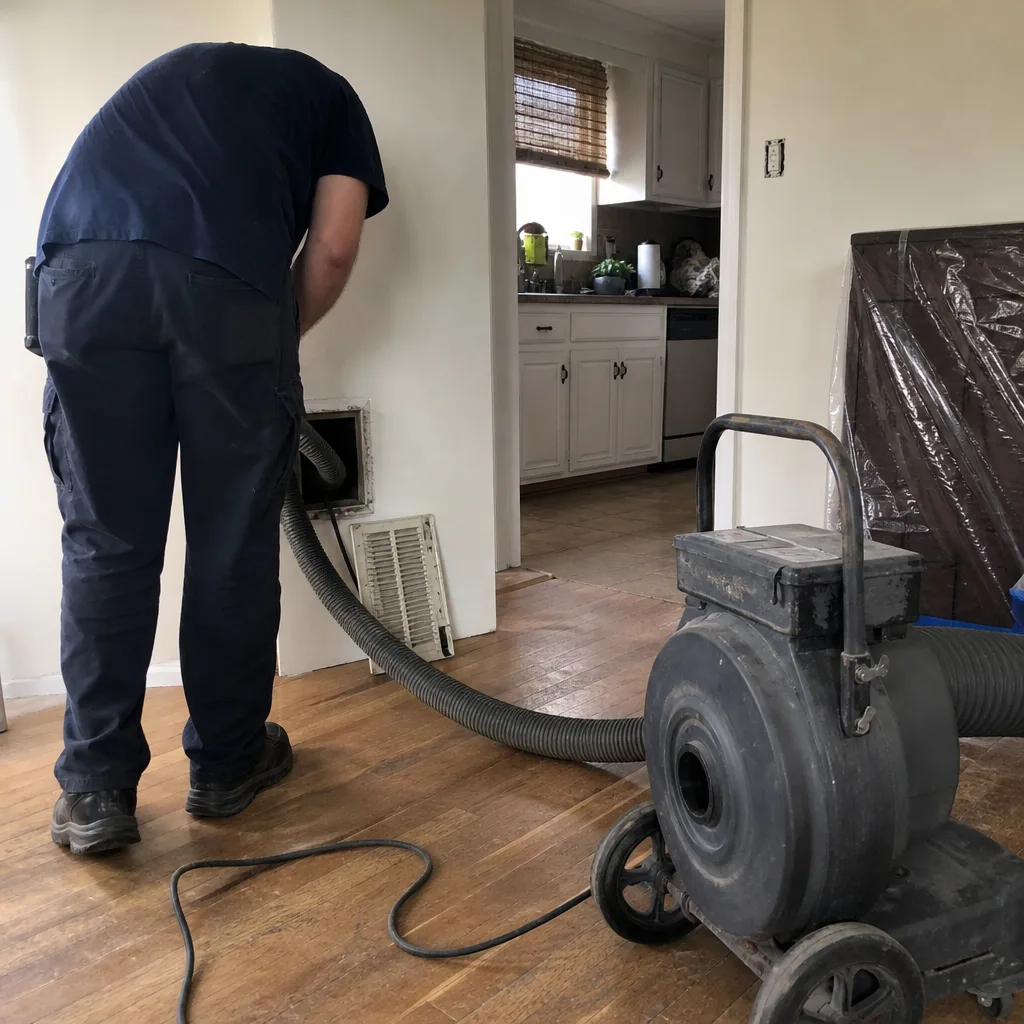
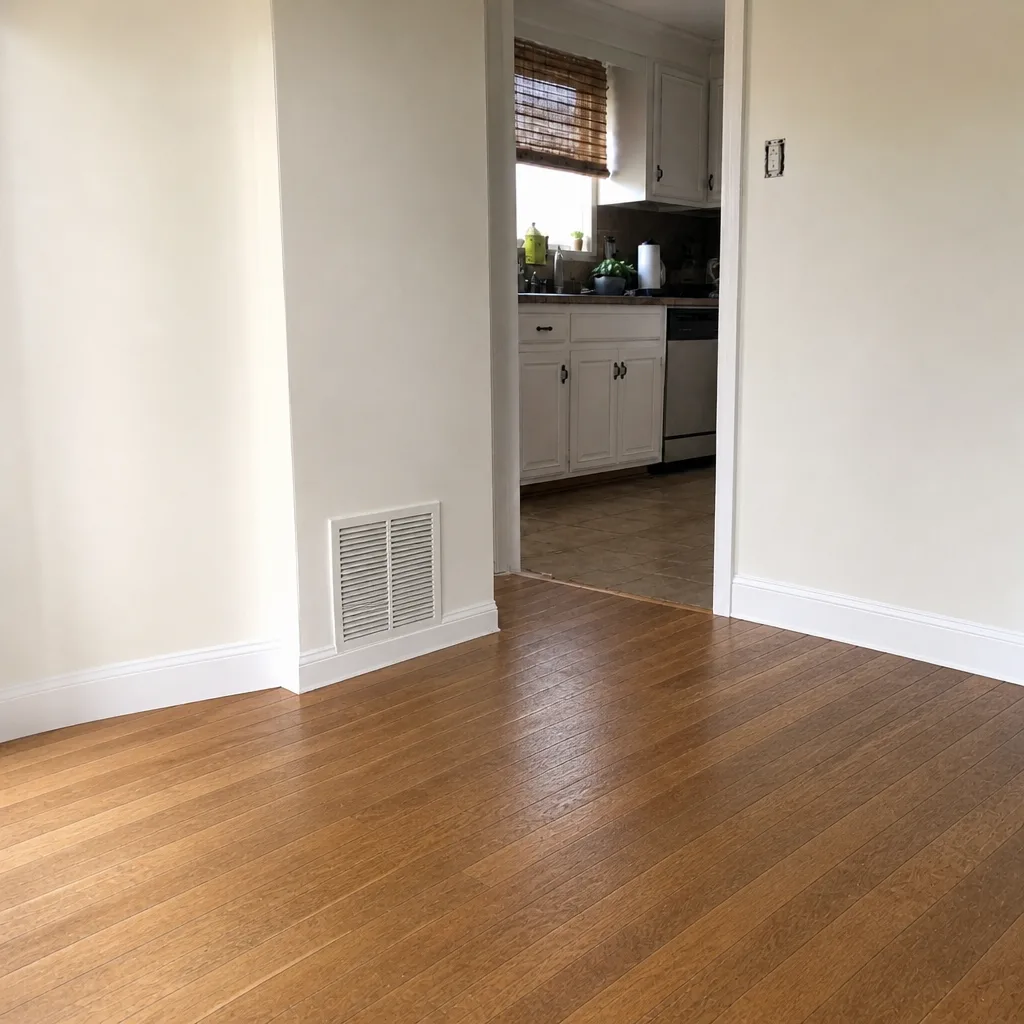
Whole-system duct and dryer vent check with before-and-after photos - you see exactly what came out of your vents
That "$99 whole-house special" is a bait ad - the real number appears once they are in your hallway, or the "clean" is a shop-vac at the register. We photograph the inside of your ducts before and after instead.
The Complete Guide to Air Duct Cleaning in Bustleton
A truck-mounted vacuum and a rotating brush are not interchangeable with a shop-vac and a camera on a stick, yet both get sold to Bustleton homeowners as “professional duct cleaning.” The gap between those two things is the whole story. One pulls debris out of the system under controlled negative pressure. The other stirs it loose and hopes it settles somewhere useful. This guide walks through what a real clean involves mechanically, tool by tool and step by step, so you can read a quote and know exactly what you’re buying before anyone shows up at your door in Bustleton. You’ll learn how the equipment works, why older housing stock here creates specific challenges, and how to verify the job before the technician leaves.
Quick Answer
Air duct cleaning in Bustleton means removing accumulated dust, debris, and biological growth from the entire air pathway: supply and return ducts, registers, plenums, the blower compartment, and the evaporator coil area. A proper job uses negative-pressure equipment (a high-CFM vacuum) combined with mechanical agitation (a rotating brush or air whip) to pull debris out rather than blow it around. Expect a whole-system clean typically to run a few hours depending on home size and system layout, and expect to see before-and-after photos of your own ducts as proof the work happened.
Styles & brands we work with
- Whole-home duct cleaning
- Dryer vent cleaning
- Camera inspection
- Sanitizing & deodorizing
Table of Contents
- What Actually Happens During a Professional Duct Cleaning
- How Negative Pressure Works and Why CFM Matters
- Source Removal vs. Surface Cleaning: How to Tell the Difference
- Why Bustleton’s Older Housing Stock Changes the Job
- What a Full-System Clean Includes Beyond the Trunk Lines
- How to Verify the Job Was Done Correctly
- How Often Ducts Really Need Cleaning in Bustleton
- What Air Duct Cleaning Costs in Bustleton
What Actually Happens During a Professional Duct Cleaning
A professional duct cleaning is a contained, sequenced operation, not a guy with a vacuum wand. The sequence matters because debris you loosen in one part of the system has to be captured before it can migrate. Here’s the general order of operations for a typical whole-home job.
- System inspection and layout mapping. The technician identifies every supply and return run, locates the main trunk lines, and checks the air handler and coil compartment. This is when problem areas get flagged: crushed flex duct, disconnected joints, heavy buildup near the return grille.
- Negative pressure setup. A high-CFM vacuum connected through the main plenum or a dedicated access port pulls the entire system into negative pressure. Air flows toward the vacuum, not into the living space.
- Mechanical agitation at each run. A rotating brush or compressed-air whip travels down each duct to break debris loose from the walls. Dust that has caked onto galvanized steel doesn’t come off with suction alone.
- Register and grille removal and cleaning. Supply and return covers come off, get cleaned separately, and reinstalled. Skipping this leaves a visible film on the grilles that undermines the whole job.
- Coil and blower compartment attention. The evaporator coil and blower wheel collect dust too. Surface cleaning in this compartment restores airflow and reduces the load on the system.
- Sanitizing step. An air-quality sanitizing treatment addresses microbial and allergen concerns that mechanical cleaning alone doesn’t resolve.
- Final inspection with photos. Before-and-after documentation of your actual ducts, not stock images.
That’s what a full-system clean looks like. It’s also why air duct cleaning done right takes a few hours for a typical home, not the forty-minute stop some discount operations run.
How Negative Pressure Works and Why CFM Matters
CFM stands for cubic feet per minute, and it’s the single most overlooked spec in this trade. A vacuum that moves a high volume of air creates real negative pressure across the whole duct system, which means debris gets pulled toward the capture point from every branch. A low-CFM vacuum creates weak pressure and effectively just captures what’s already loose near the hose.
This is where the equipment roster starts to matter. We use Abatement Technologies equipment on the job, which is the same standard used in contained debris extraction for remediation work. Rotobrush and Nikro mechanical agitation systems pair with that negative pressure to reach the duct walls. These are professional-grade tools, not rental units or consumer vacuums dressed up with a longer hose.
Here’s why CFM changes the outcome:
- Higher CFM creates stronger whole-system pressure, so distant runs get cleaned, not just the ducts nearest the vacuum connection.
- Controlled extraction prevents cross-contamination, keeping loosened dust from drifting into living space through gaps in older ductwork.
- Consistent airflow captures fine particulate, not just the visible debris and dust bunnies near registers.
- Suction stays strong through the whole job, even as the collection unit fills.
If a quote doesn’t mention negative pressure or CFM capacity, that’s a real signal. A legitimate operation can tell you what equipment drives the job and why it was chosen for your system. In Bustleton’s mix of ranchers, twins, and rowhouses, the duct layouts vary enough that the pressure setup has to be adapted to the specific home, not run on autopilot.
Source Removal vs. Surface Cleaning: How to Tell the Difference
Source removal means the accumulated debris is physically taken out of the system and carried away. Surface cleaning means the visible dust in the nearest accessible areas gets wiped or vacuumed, but the source material inside the ducts stays put. Most homeowners get sold the second one without realizing it.
The distinction shows up in three places: what equipment is on site, how long the job takes, and what proof is provided at the end.
What to look for on a legitimate source-removal job
- Containment equipment. You should see a large vacuum unit and hoses connected into the system, plus mechanical agitation tools going down each run. If there’s no containment, dust is going into the air.
- Time on site that matches the system. A thorough whole-home job takes hours. A thirty-minute visit is almost always surface work.
- Register removal. Every supply and return cover comes off. If the covers stay on, you’re not getting a full clean.
- Documentation of your actual ducts. Before-and-after photos of your own system, taken during the job. Ask to see the after-shot of the return trunk and the coil compartment specifically, since those are the areas most often skipped.
Signs of surface-only cleaning being sold as more
- The price is dramatically lower than other quotes, with no explanation for the difference.
- The technician mentions “sanitizing” as the main deliverable, but never discusses mechanical cleaning or negative pressure.
- There’s no containment vacuum unit visible, or the vacuum looks like a shop-vac on a hose.
- The photo documentation is generic stock imagery, not your system.
- The quote offers a per-vent price, which incentivizes doing less work while charging for more vents.
In our experience, the per-vent pricing model is the most reliable tip-off that the job isn’t scoped by actual system size. An honest quote is priced per system, not per vent.
Why Bustleton’s Older Housing Stock Changes the Job
Much of Bustleton’s housing was built before 1980, and that has a real effect on how duct cleaning goes. Older construction was designed differently: many systems use galvanized sheet metal trunks with long, straight runs and limited flex duct. Later retrofit work adds complexity because a house that’s been expanded or had HVAC upgrades over the years ends up with duct geometry that doesn’t match a standard floor plan.
What this means in practice:
- Access points are often missing. Older systems frequently lack dedicated access ports, so technicians have to create them at seams or at the plenum. A crew that can’t cut access and seal it properly afterward will settle for vacuuming what it can reach.
- Joints leak more. Decades of expansion and contraction loosen seams, and leaks pull conditioned air into the wrong spaces. That’s where duct repair and sealing capability matters: it’s an on-site fix, not a separate appointment with a different company.
- Duct runs are longer or oddly routed. Long straight runs on the original design can carry dust further from the return, which means high-CFM pressure setup at the plenum matters more than it would in a newer, more compact system.
- Dust has had more time to settle. A system that hasn’t been cleaned in a house built before 1980 has had decades to accumulate material. Mechanical agitation does the heavy lifting; suction captures it.
- Renovation debris gets trapped. Drywall dust from a kitchen or bath remodel settles in the ducts and lingers. When a remodel has happened in the same home, thorough cleaning needs to be scheduled after the work is done and dust has settled.
Bustleton’s seasons make this a year-round concern too. The humid summers mean biological growth has a viable window, and the heated winters keep the system running constantly. A home that runs its HVAC hard on both ends of the calendar gets more air through the ducts and more opportunity for buildup.
What a Full-System Clean Includes Beyond the Trunk Lines
The trunk lines are the easy part. Any vacuum will pull debris from the main plenum. The difference between a good clean and a great one lives in the components most companies skip because they’re harder to reach and don’t photograph as dramatically.
The components that matter
- Registers and grilles. Supply and return covers come off, get cleaned, and go back on. If they’re still dusty when the technician leaves, the job isn’t done.
- Plenums. The sheet metal box where the air transitions between the trunk and the air handler. This is where the highest concentration of debris typically sits because it’s the throat of the system.
- Coil compartment. The evaporator coil and its enclosure collect dust and can grow biological matter in the cool, damp environment. Cleaning this section restores airflow and efficiency.
- Blower wheel and motor compartment. A dusty blower wheel loses efficiency and starts moving less air. Surface cleaning at this point is part of a complete clean.
- HVAC and mechanical components. Cabinet, filters, and accessible working parts of the system. This is often where a HVAC cleaning visit overlaps with duct work.
- Sanitizing treatment. A dedicated step that addresses microbial and allergen concerns across the ductwork after mechanical cleanout.
When the system includes filtration, we work with brands homeowners already recognize: Honeywell and Aprilaire filtration products, and Guardsman for air-quality protective treatments. The filtration question and the cleaning question are connected, and the technician should be able to explain how a filtration upgrade changes the cleaning schedule.
One more component gets skipped even more often: the dryer vent. It’s part of the air pathway through the house and builds up lint, which is a fire hazard independent of duct work. When we’re in a Bustleton home for a full clean, scheduling dryer vent cleaning in the same visit means one appointment covers the whole system. If the vent hasn’t been cleaned since the last remodel or appliance change, it usually needs it.
How to Verify the Job Was Done Correctly
You don’t need to be a technician to confirm a clean actually happened. What you need is a short list of checkpoints and the willingness to ask for documentation before anyone packs up. Before the technician leaves your Bustleton home, run through these.
- Ask for before-and-after photos of your own ducts. Specifically the return trunk, the plenum, and one or two supply runs. The photos should be timestamped or otherwise tied to your job, not pulled from a stock gallery. Any reputable company expects this request.
- Look at the registers. Supply and return covers should be visibly clean. If there’s still a film on them, they weren’t removed and cleaned.
- Check the access points. If the technician cut access ports to reach the duct interior, verify that every one has been properly sealed afterward. Open seams bleed air and pull dust from the space.
- Confirm the coil compartment was touched. Ask directly. The coil is under air pressure from the blower and collects dust on the face; it should be cleaner after the visit than before.
- Ask what the technician found. A proper inspection flags leaks, disconnected joints, or crushed duct runs. If the technician didn’t mention anything specific to your system, ask again before they leave. A detailed answer is a strong sign the work was real.
- Get the written estimate scope on record. The one flat price per system should match what actually got done. If it was quoted as a whole-system clean, every component listed should be included in the final walkthrough.
Six checkpoints, none of them technical. The point is that verification is legitimate to ask for and should never come with a shrug. Air duct cleaning in Bustleton is a scheduled service, not a favor, and the paperwork should reflect that.
How Often Ducts Really Need Cleaning in Bustleton
Most homes don’t need annual duct cleaning, and companies that push an annual plan are usually selling maintenance services rather than addressing a real air-quality need. The right interval depends on the specific home, not a one-size-fits-all schedule.
Triggers that justify a cleaning in Bustleton:
- A system that’s never been cleaned. Older Bustleton homes that have never had the ducts cleaned are the most common real-world case. Set the baseline first, then reassess.
- Significant renovation or remodeling. Drywall dust, wood dust, and construction debris settle into the system during remodeling. Schedule cleaning after the work is complete.
- Visible dust around registers or debris in the supply runs. Visible buildup suggests the system has crossed a threshold and needs attention.
- Mold or musty odors. A persistent smell is a signal the coil compartment or ductwork may need sanitizing treatment, not just mechanical cleaning.
- Recent pest activity. Rodents and insects in the system leave debris and contaminants behind that need source removal.
- Allergy or respiratory concerns in the household. A clean system with good filtration won’t solve a medical problem, but it removes a controllable contributor.
For a typical Bustleton home with a clean baseline and no specific event, a multi-year interval is reasonable. Between cleanings, filter changes matter more than anything else. Replace filters on the manufacturer’s schedule and use a filter with the right MERV rating for the system; higher isn’t always better because airflow restriction can strain the blower. If you’re not sure what the system was designed for, ask on the next visit.
What Air Duct Cleaning Costs in Bustleton
Pricing depends on the size of the system, the number of supply and return runs, whether sanitizing is included, and whether duct repair and sealing is needed once the technician sees the state of the joints. A per-vent price is a red flag for the reasons covered above; a whole-system price is the only honest way to quote it.
Typical estimated ranges for a residential air duct cleaning in Bustleton:
| Service | Typical Estimated Range |
|---|---|
| Whole-system air duct cleaning (residential) | Roughly $300 to $650, depending on square footage and number of runs |
| Duct cleaning with sanitizing treatment | Roughly $400 to $800 |
| HVAC and coil compartment cleaning | Quoted per system |
| Duct repair and sealing (as needed) | Quoted per job after inspection |
| Dryer vent cleaning (when bundled with a duct clean) | Quoted per job |
Every estimate should be written before work begins and the final invoice should match it. A company that gives a low teaser number and then re-scopes on site is the exact bait-and-switch pattern to avoid. One flat price per system, agreed before work starts, is the standard to expect.
Common Mistakes to Avoid
- Hiring based on the lowest quote without asking what it includes. A cheap quote often covers the visible ducts and skips the plenum, coil compartment, and registers. Ask for the full scope in writing before comparing numbers.
- Accepting per-vent pricing. It incentivizes a company to do less work while charging for more connections. Whole-system pricing avoids that dynamic entirely.
- Assuming a newer home doesn’t need cleaning. Post-1980 construction still accumulates debris, especially after a remodel. The Bustleton housing stock skews old, but newer homes aren’t on a different schedule just because they’re newer.
- Skipping the dryer vent. It’s part of the same air pathway through the house and is a documented fire risk. If the dryer takes two cycles or the outside vent is lint-clogged, it’s overdue.
- Not asking for before-and-after photos of your own ducts. Stock images tell you nothing about whether the work happened. Ask for photos of your specific system, taken during the job.
- Not verifying the coil compartment. It’s the most common skipped component. Ask directly whether it was cleaned and what the technician found.
- Ignoring leaks and disconnected joints. Cleaning without sealing is a maintenance task, not a performance improvement. Ask whether the technician found and fixed any leaks on-site.
See the difference
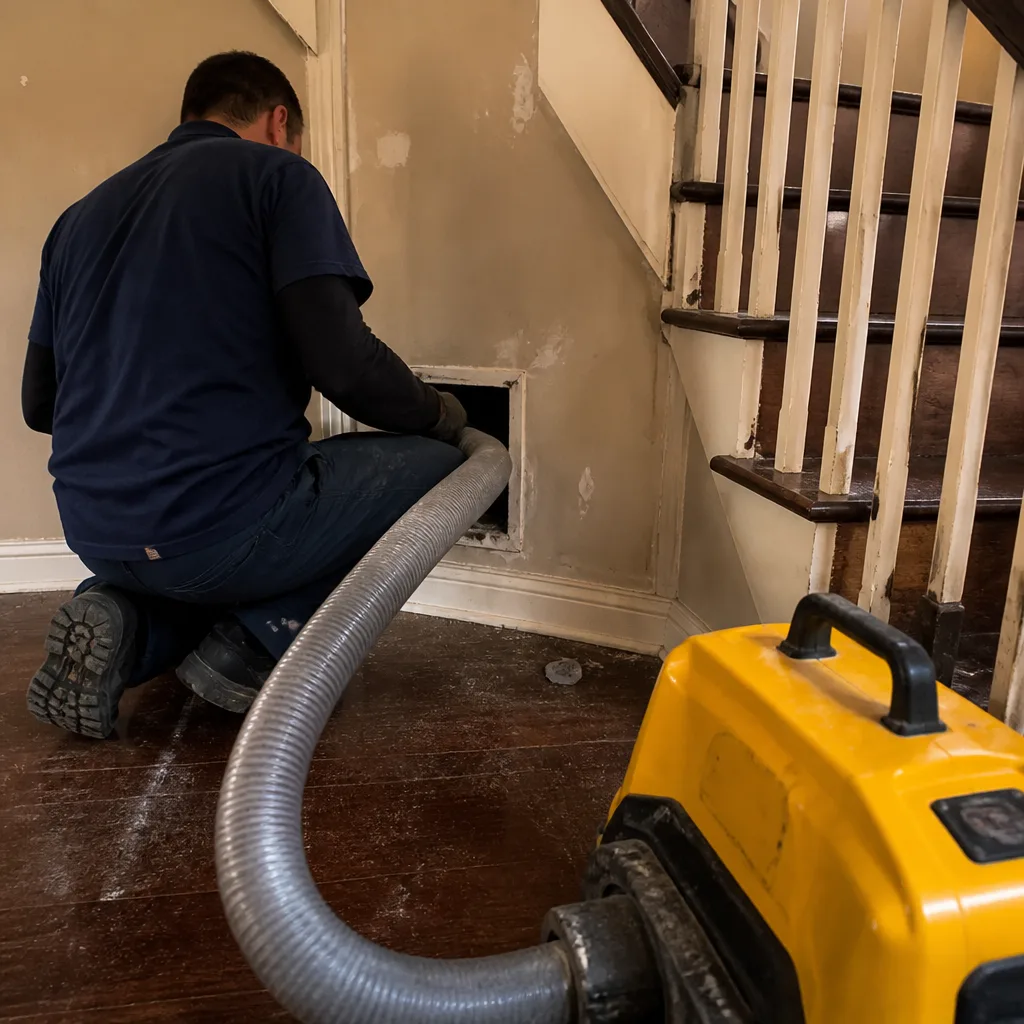 Before
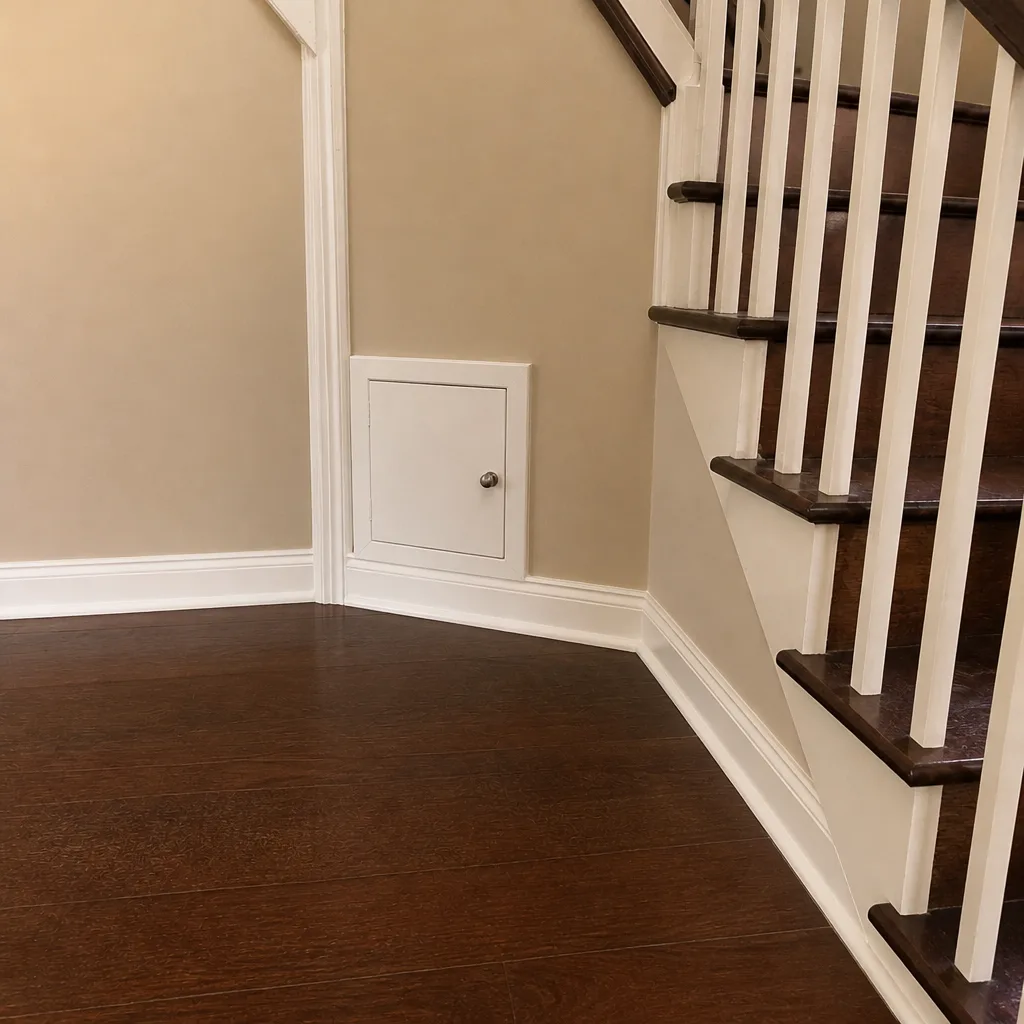 After
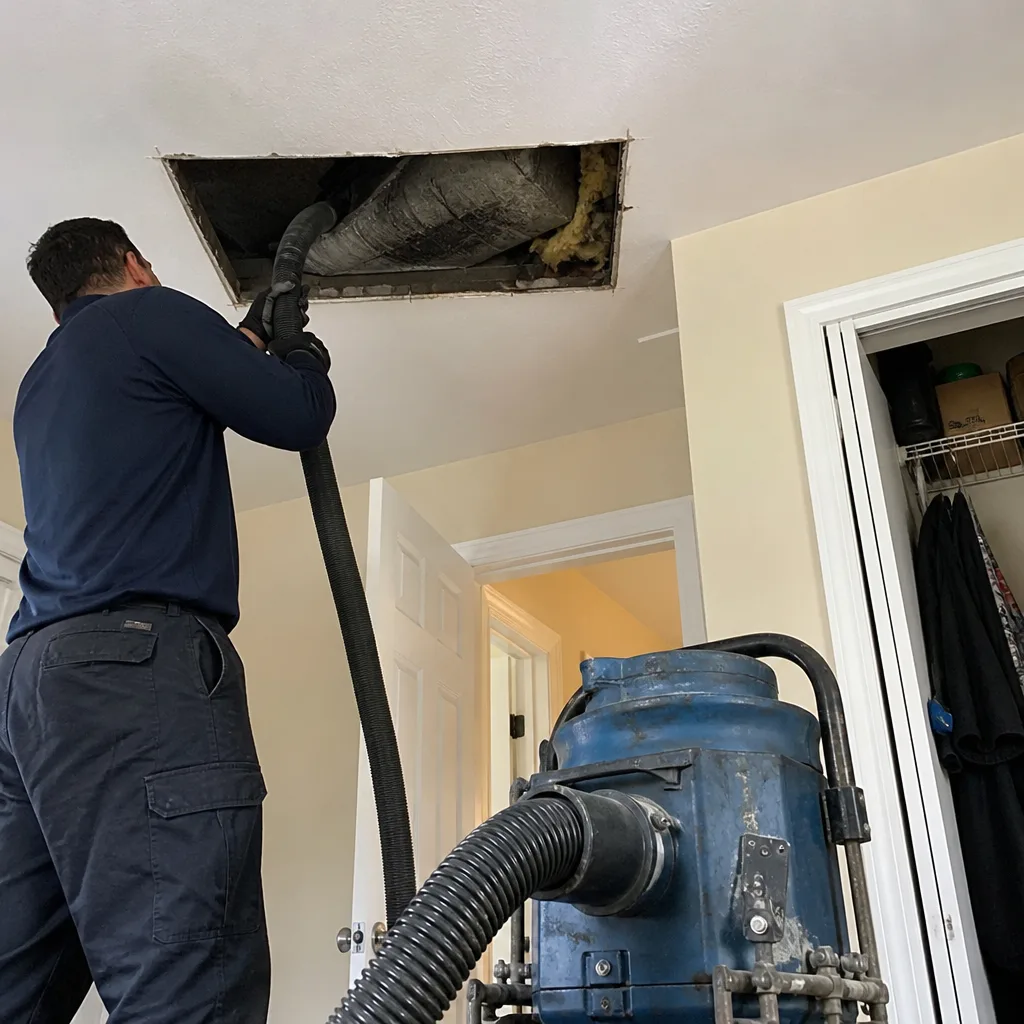 Before
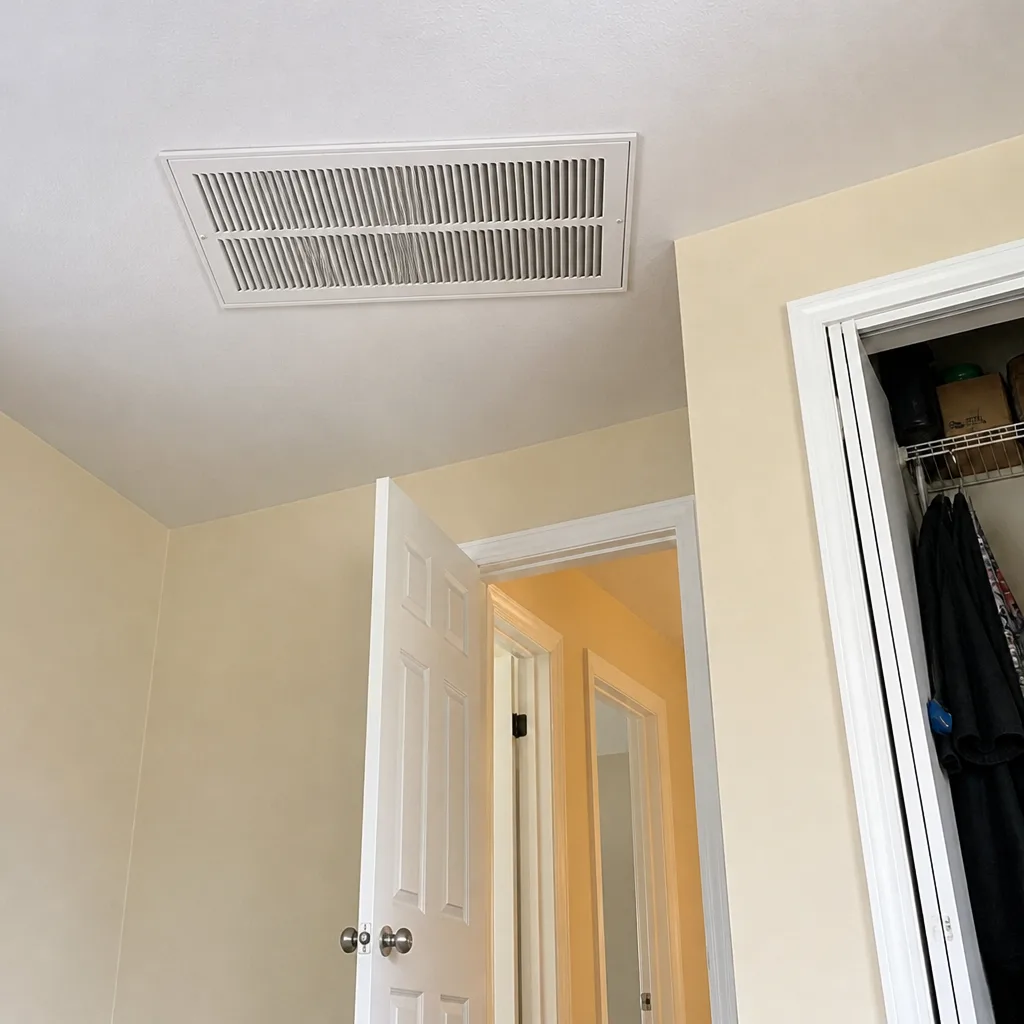 After
 Before
 After
When to Call a Professional
Some conditions call for a professional visit rather than a do-it-yourself attempt. If the system has never been cleaned, if there’s visible debris or biological growth inside the supply runs, if you’ve recently finished a renovation, or if you’ve noticed musty odors when the HVAC runs, it’s worth a call. Same if the dryer takes longer to dry clothes than it used to, or if you can’t remember the last time the dryer vent was cleaned. The duct interior and coil compartment are genuinely hard to reach without professional equipment, and a shop-vac attempt tends to make things worse by blowing debris loose without containing it. The local pro we connect you with is licensed and insured as their state requires, and the work is priced per system with a written estimate before anything starts. Air Duct Cleaning Bustleton offers free estimates in Bustleton. Call (833) 509-5322.
Frequently Asked Questions
Typical estimated pricing for a residential whole-system air duct cleaning in Bustleton runs roughly $300 to $650, with sanitizing treatment and HVAC or coil cleaning often adding to the total. The exact number depends on the size of the system, the number of runs, and whether duct repair or sealing is needed once the technician inspects the joints. The written estimate sets the final price and it should be agreed before work starts. Call (833) 509-5322 for an exact quote, estimates are free.
Cheap quotes usually skip components: no plenum cleaning, no coil compartment, no register removal, and no mechanical agitation of the actual duct walls. What you’re being quoted at the low price is often a surface clean, not a source-removal clean. The equipment gap matters too. A truck-mounted or high-CFM negative-pressure unit and a professional agitation system are not the same tools as a shop-vac on an extended hose, and the price reflects which one is going to be on site. Call (833) 509-5322 for an itemized quote you can compare against others.
Ask for before-and-after photos of your own ducts, taken during the job, specifically of the return trunk, the plenum, and the coil compartment. Check that the supply and return registers were removed and are visibly clean. Confirm any access ports that were cut have been properly sealed. And ask the technician what they found in the system: specific observations about leaks, buildup, or disconnected joints are a reliable sign the inspection was real. Call (833) 509-5322 to schedule an estimate.
There’s no fixed schedule, and annual cleaning is rarely necessary for a typical home. The triggers are specific: a system that’s never been cleaned, a recent renovation, visible debris or musty odors, pest activity, or allergy concerns in the household. A clean baseline followed by sensible filtration maintenance usually holds for several years. Call (833) 509-5322 if you’re unsure where your home stands; an inspection can tell you.
Yes, dryer vent cleaning is a core service, not an add-on. Lint buildup in a dryer vent is a fire hazard that has nothing to do with whether the ductwork is clean, and bundling both on one visit keeps the whole air pathway maintained under a single appointment. If the dryer is taking longer than it used to or the outside vent flap is clogged with lint, it’s overdue. Call (833) 509-5322 to schedule.
It can reduce one controllable contributor, but it’s not a medical fix. Removing accumulated dust, debris, and biological growth from the system, plus a sanitizing treatment to address microbial and allergen concerns, cuts down what circulates through the house. Filtration upgrades with brands like Honeywell and Aprilaire also matter. Anyone with serious respiratory concerns should talk to a doctor, and a clean system supports that plan rather than replacing it. Call (833) 509-5322 for an estimate.
The Bottom Line
The difference between a real duct cleaning and a marketing one comes down to a few things you can verify yourself. Negative-pressure equipment with real CFM capacity, mechanical agitation of the duct walls, register removal, plenum and coil compartment cleaning, a sanitizing step, and before-and-after photos of your actual system. Bustleton’s pre-1980 housing stock makes access and joint condition part of the job, and duct repair and sealing capability on site turns a maintenance visit into a performance improvement. One flat price per system, agreed before work starts, is the standard to expect. Call (833) 509-5322 for a free estimate. We answer 24/7. Fast dispatch from 7am to 7pm, Sunday through Friday.
Written by the team at Air Duct Cleaning Bustleton.